Walk-Behind Roller vs Ride-On Roller: Choose by Job, Access and Who Operates It
A walk-behind (pedestrian) roller wins on access, side clearance and transport for trenches, shoulders, patches and paths. A ride-on roller wins on productivity, thicker lifts and operator fatigue on open areas. The job decides, not the preference.

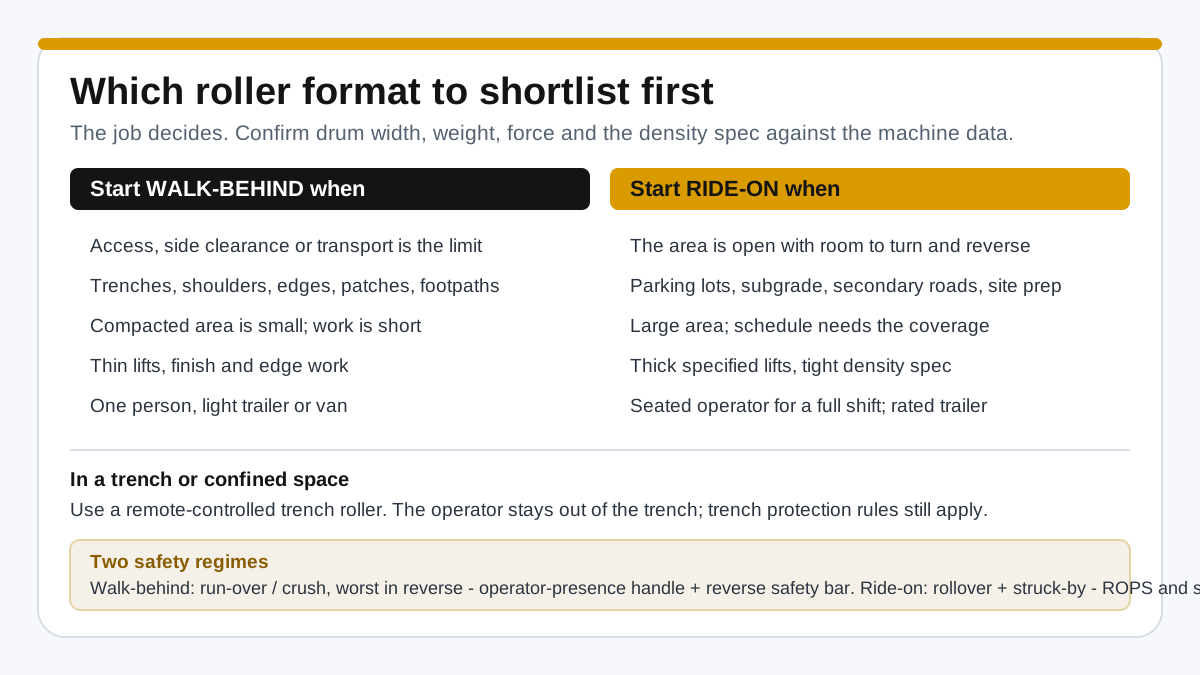
Direct answer: choose a walk-behind (pedestrian) roller first when access, side clearance or transport is the constraint and the compacted area is small: trenches, road shoulders, edges against curbs and walls, asphalt patches, footpaths and residential driveways. Choose a ride-on roller first when the work is an open area where productivity, thicker lifts and a full shift in the seat decide the job: parking lots, lot subgrade, secondary roads and large site preparation. Then confirm drum width, operating weight, centrifugal force, the specified lift thickness and the project's own density or stiffness requirement against the machine data and the specification. The two formats also carry two different safety regimes: a ride-on roller adds a rollover and seat-belt discipline and a struck-by or backover exposure; a walk-behind roller keeps the operator on foot behind a powered drum, so its hazard is being run over or crushed, especially in reverse. For compaction inside a trench, the answer is usually a remote-controlled trench roller so nobody stands beside the drum.
The three roller formats you are actually choosing between
Roller manufacturers do not sell one machine with a seat option. They group light and compact rollers into distinct families. Wacker Neuson's current roller range, for example, lists walk-behind rollers, remote-controlled trench rollers (RTLx-SC3, RTD-SC4) and ride-on tandem rollers (RD12 through RD45), alongside larger single-drum soil compactors. Bomag, Ammann, Dynapac and Cat organise their compaction lines the same way.
That structure matters because the decision is not only "walk or ride." It is which family to shortlist:
- Walk-behind / hand-guided roller. The operator walks behind a single or double smooth drum, or steers it with a hand guide. Compact, light and built for tight side clearance.
- Remote-controlled trench roller. A padfoot or smooth drum machine run from a belt-box or line-of-sight remote, designed so the operator never stands in the trench.
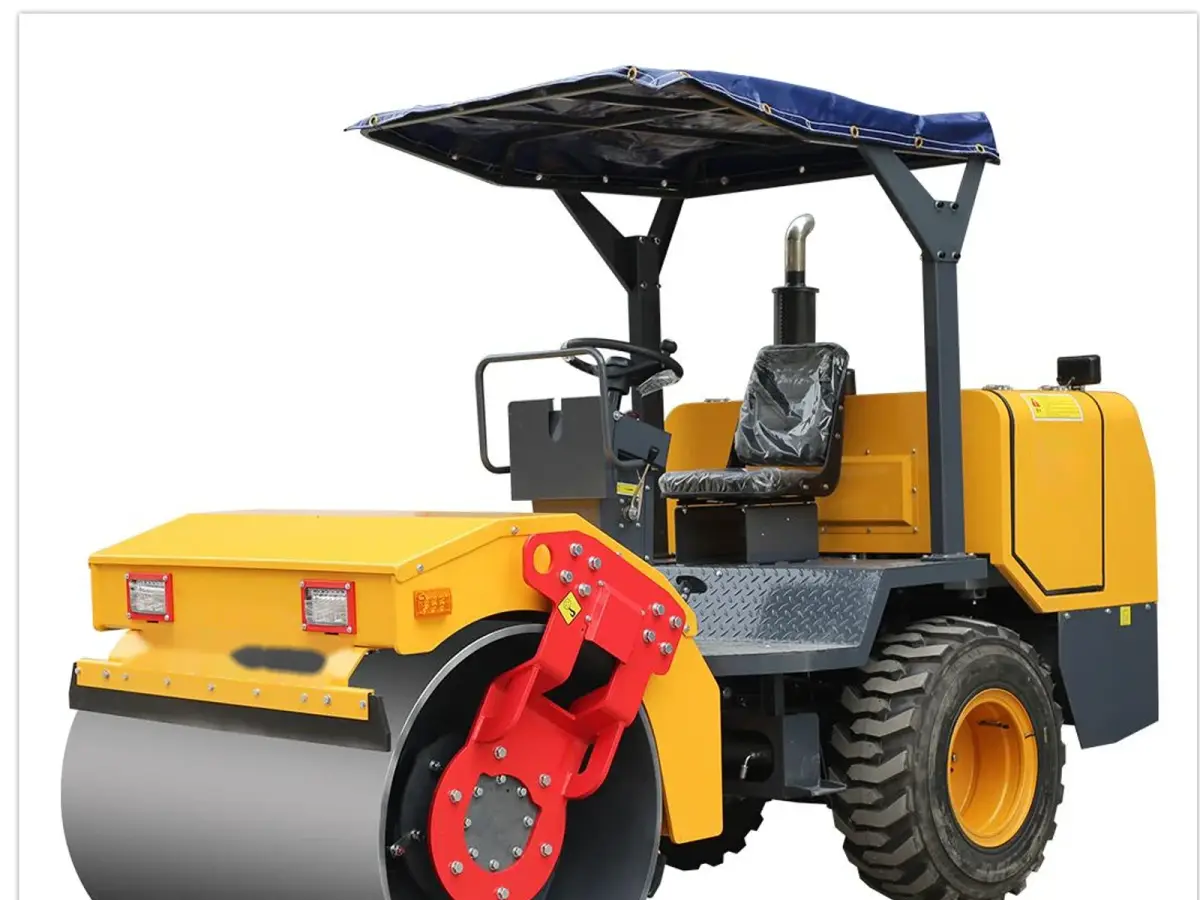
- Ride-on tandem or single-drum roller. The operator sits on the machine. Wider drums, more weight, more force, faster travel.
TerraCub's own range spans all three: walk-behind single- and double-drum rollers from roughly 280 to 830 kg with 450 to 720 mm drums, mini ride-on rollers around 660 to 730 kg, and ride-on tandem rollers from about 1,100 kg upward. Comparing the TerraCub walk-behind and ride-on roller range against the job is the same exercise this guide describes.
Access, side clearance and the size of the compacted area
This is the decision that eliminates a format before anything else. The Cat Rental Store's roller guide puts walk-behind rollers on "roadway shoulders and trench compaction," "residential driveways, sidewalks and bike paths" and "repair jobs or patching asphalt in confined spaces," and notes their "high curb and side clearance, enabling work right up to edges." Ride-on rollers it places on "highway paving and major roadway projects" and "large commercial or industrial site prep."
Work through the site geometry:
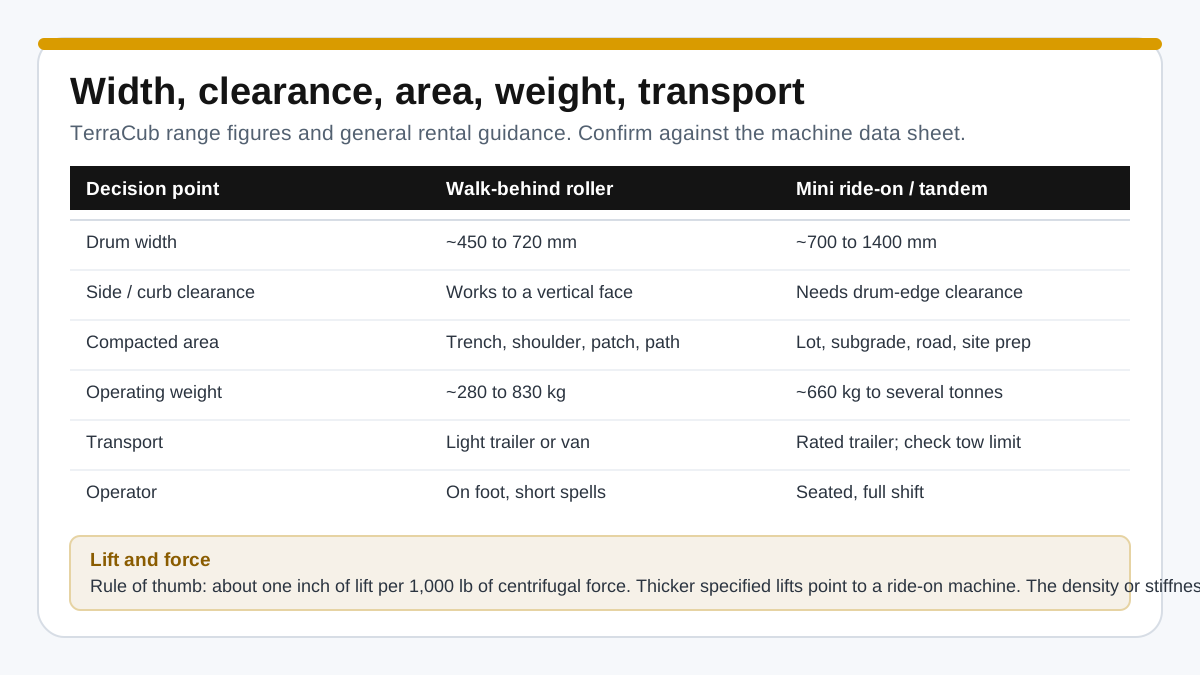
- Narrowest route to the work and the compacted strip width. A walk-behind drum of 450 to 720 mm covers a utility trench or a footpath in one pass. A ride-on tandem drum of 700 to 1,400 mm covers a traffic lane faster but needs room to turn and reverse.
- Edges, curbs, walls and covers. A walk-behind roller works hard against a vertical face. A ride-on roller needs drum-edge visibility and clearance; a tapered frame helps, but it will not fit every boundary.
- Total compacted area. A few square metres of patch or a 30-metre shoulder does not justify moving a ride-on machine to site. A parking lot subgrade does.
- Is any of the work in a trench or confined space? If yes, that portion is a trench-roller decision regardless of what the open areas need.
Lift thickness, drum width and compaction force
Format also has to match the layer you are compacting. Rental sizing guidance cites a commonly used rule of thumb that a vibratory machine compacts roughly one inch of lift for every 1,000 pounds of centrifugal force it produces, and that lower vibration frequencies (around 3,000 to 4,000 vibrations per minute) suit thicker layers while higher frequencies, up to about 5,700 per minute, suit thin lifts. Treat that as a planning figure, not a specification.
The practical consequence: a thicker specified lift, or a tight density spec on a structural layer, pushes the job toward the heavier weight and higher force of a ride-on machine, which is why highway base is compacted in ride-on passes and a patch is not. A walk-behind roller is sized for thinner lifts, edges and finish work. In every case the acceptance is the project's own density, stiffness or proof-roll test, not a pass count copied from another job.
Drum count and drum surface are a separate question that sits underneath this one. Once the operator format is settled, the single drum versus double drum roller guide covers choosing the drum layout by material and finish.
Productivity and operator fatigue over a shift
On an open area the ride-on advantage is real and measurable. The Cat guide notes ride-on operators "sit on the machine, reducing fatigue and increasing productivity," and that ride-on rollers are "heavier and cover more area per pass, producing uniform compaction quickly." A wider drum plus faster travel plus a seated operator who can work a full day is why a ride-on roller finishes a lot faster.
On a small or broken-up job those advantages disappear. Transport time, setup and the space lost to turning eat the productivity gain, and a walk-behind roller gives "more compacting precision and control" where the work is fiddly. Walking behind a roller is tiring and it limits how long the operator should run it without a break, so match the format to the shift: a walk-behind roller for an hour of shoulder work, a ride-on roller for a day of lot subgrade.
Transport, towing and getting the machine to the spot
The weight class changes the logistics. A walk-behind roller in this class is a few hundred kilograms. TerraCub's walk-behind rollers run about 280 to 830 kg, which moves on a light plant trailer and, at the small end, can be manhandled or ramped by two people. A ride-on roller starts around 660 kg for a mini ride-on and climbs from there: TerraCub's 1-ton tandem is about 1,100 kg and single-drum soil compactors reach several tonnes. That needs a rated trailer, changes what vehicle can legally tow it, and affects whether the machine can be craned onto a deck, driven up a ramp or moved between floors. Confirm packed dimensions and gross weight for the destination separately from operating weight; they are different numbers and the shipping one governs the crate.
Two different safety regimes: rollover versus run-over
The formats do not just perform differently. They expose the operator to different hazards, and the controls are built around that.
Ride-on rollers. NIOSH's guidance on ride-on roller/compactors (Publication No. 2005-101, 2004) identifies the two main injury causes as "machine rollovers and being struck by the moving machine." Its controls: "Do not operate machinery without the ROPS and seat belts supplied by the manufacturer"; be aware of blind spots and check the area before moving; keep the machine back from unsupported edges, because a worker died when "the earth under the rear tires gave way"; "minimize the presence of workers on foot near machinery" and "use barriers to separate workers"; and run daily or pre-shift checks. A ride-on roller means a rollover-and-seat-belt discipline and a backover exposure that a walk-behind machine does not have in the same form.
Walk-behind rollers. The operator is on foot immediately behind a powered drum, so the characteristic hazard is being run over or crushed, especially on reverse travel against a wall or toward a trench edge. Manufacturer descriptions of current walk-behind rollers show the controls built for this: an operator-presence or dead-man handle that returns the machine to neutral when the grip is released, and a mechanical safety bar or button at the back of the guide handle that stops or reverses drive if the handle is pushed into the operator, with reverse speed limited. Check that both work on every pre-use inspection, keep the space behind you clear, and never bypass either device.
Trenches and confined spaces: use a remote
For compaction inside a trench, the industry answer is not a person walking a roller in the trench. It is a remote-controlled trench roller. Wacker Neuson's SC3 system uses line-of-sight infrared control and a proximity sensor that disables the machine when the operator comes within about 6.5 feet; remote operation keeps the operator roughly 6.5 to 98 feet from the machine. That removes the operator from the drum and from working under an unsupported face.
The remote does not replace trench protection. Sloping, shoring or shielding to the applicable excavation rules, and confined-space procedures where they apply, are separate requirements that stand regardless of which roller compacts the backfill.
Match a roller format to the actual job
Send TerraCub the material, layer, acceptance method, access width, whether the work is in a trench, area per shift, slope, destination and transport limits. We can compare current walk-behind and ride-on roller families against those inputs.
Request a road roller configurationSend a job brief, not a tonnage
Give the supplier the job and let the inputs choose the format:
- Material and layer: soil or aggregate type, loose and target compacted thickness, and moisture or asphalt temperature.
- Acceptance: the density, stiffness or proof-roll method the project specifies.
- Geometry: narrowest access, compacted strip width, curb and edge constraints, turning space and slope.
- Trench or confined space: whether any part of the work is below grade.
- Production: area per shift or daily tonnage.
- Logistics: destination, transport and towing limits, packed size and gross weight.
Ask the supplier to state which of those inputs pushed the recommendation toward a walk-behind or a ride-on machine. If they cannot, the quote is not yet comparable. TerraCub can match current walk-behind and ride-on roller families against a brief like this; see the range above and About TerraCub for how the company supports machines after the sale.
FAQs
Is a walk-behind roller strong enough to compact a road base?
For a thin lift, an edge or a patch, yes; for a thick structural base layer with a tight density spec, usually not. A commonly cited rental rule of thumb is about one inch of lift per 1,000 pounds of centrifugal force, so a thicker specified layer moves the job toward the heavier weight of a ride-on machine. The project's density or stiffness test is the acceptance, not the machine name.
When should I move up from a walk-behind roller to a ride-on roller?
When the compacted area is large and open, the specified lift is thick, the schedule needs the coverage, or the operator would otherwise be walking behind the machine for most of a shift. Rental guidance places walk-behind rollers on shoulders, trenches, paths and patches, and ride-on rollers on parking lots, roadways and large site prep.
What compaction do I use inside a trench?
A remote-controlled trench roller, so the operator is never in the trench beside a moving drum or under an unsupported face. Wacker Neuson's SC3 remote adds a proximity sensor that disables the machine within about 6.5 feet of the operator. Trench sloping, shoring or shielding and confined-space rules still apply separately.
Does a ride-on roller need a ROPS and seat belt?
Yes. NIOSH's guidance on ride-on roller/compactors says not to operate the machine without the ROPS and seat belt supplied by the manufacturer, because rollovers and being struck by the machine are the two main injury causes.
Can one operator run a walk-behind roller safely alone?
A walk-behind roller is a one-person machine, but the operator has to keep the space behind them clear, use the operator-presence handle and reverse safety bar as designed, and never back the machine toward a wall or trench edge. Being run over or crushed in reverse is the characteristic hazard of the format.
How many passes does a roller need?
There is no universal number. Passes are an output of material, lift thickness, moisture or temperature, machine weight and force, speed and vibration settings, and the support underneath. Establish a roller pattern under the project's specification and verify it with the specified test.
Sources and limitations
- NIOSH, "Preventing Injuries When Working with Ride-On Roller/Compactors," DHHS (NIOSH) Publication No. 2005-101 (2004) (rollover and struck-by as the main injury causes, ROPS and seat-belt requirement, blind spots, unsupported edges, keeping workers on foot away from machinery, pre-shift checks; addresses ride-on machines only, walk-behind equipment not covered)
- Wacker Neuson, "Rollers" product range (walk-behind rollers, remote-controlled trench rollers RTLx-SC3 / RTD-SC4 and ride-on tandem rollers RD12–RD45 as distinct families; SC3 line-of-sight remote and proximity-sensor description)
- The Cat Rental Store, "Types of Rollers Used on Construction Projects" (walk-behind vs ride-on job types, curb and side clearance, portability, operator fatigue and productivity; general rental guidance, not a project specification)
- The Cat Rental Store, "What Size Compaction Equipment Should I Rent?" (the approximate one inch of lift per 1,000 lb of force rule of thumb and vibration-frequency ranges; planning figures, not a specification)
- Construction Equipment, "Remote Trench Rollers and Remote-Control Compaction Equipment Guide" (remote operation keeps the operator out of the trench; proximity sensor disables the machine within roughly 6.5 ft; operating distance roughly 6.5 to 98 ft)
- Manufacturer descriptions of current walk-behind rollers (Bobcat, Ammann, Wacker Neuson) for the operator-presence handle, rear mechanical safety bar or button and limited reverse speed.
- TerraCub road-roller product data for the operating weights and drum widths of the walk-behind, mini ride-on and tandem families cited above.
This guide gives a decision framework. It does not set a universal compaction force, lift thickness, pass count, drum width or density figure for any specific job. The machine data sheet and the project specification govern; work in trenches and confined spaces follows the applicable excavation and confined-space rules.
Recommended Products
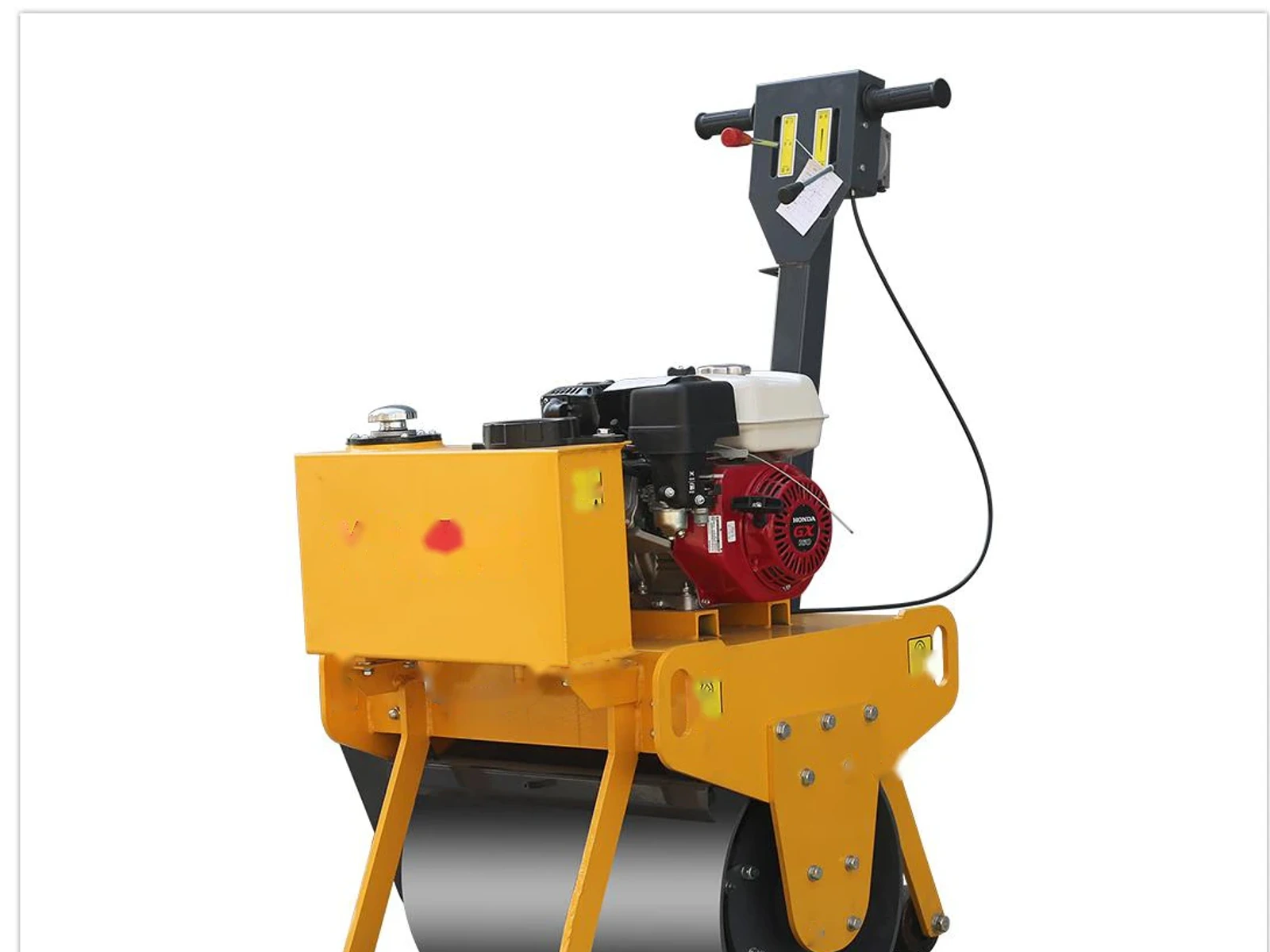 Walk-Behind Single-Drum Road Roller TC-YL600A
Walk-behind single-drum roller widely used to compact asphalt surfaces, gravel and sandy engineering foundations; high performance, easy operation, long service life.
View Product →
Walk-Behind Single-Drum Road Roller TC-YL600A
Walk-behind single-drum roller widely used to compact asphalt surfaces, gravel and sandy engineering foundations; high performance, easy operation, long service life.
View Product →
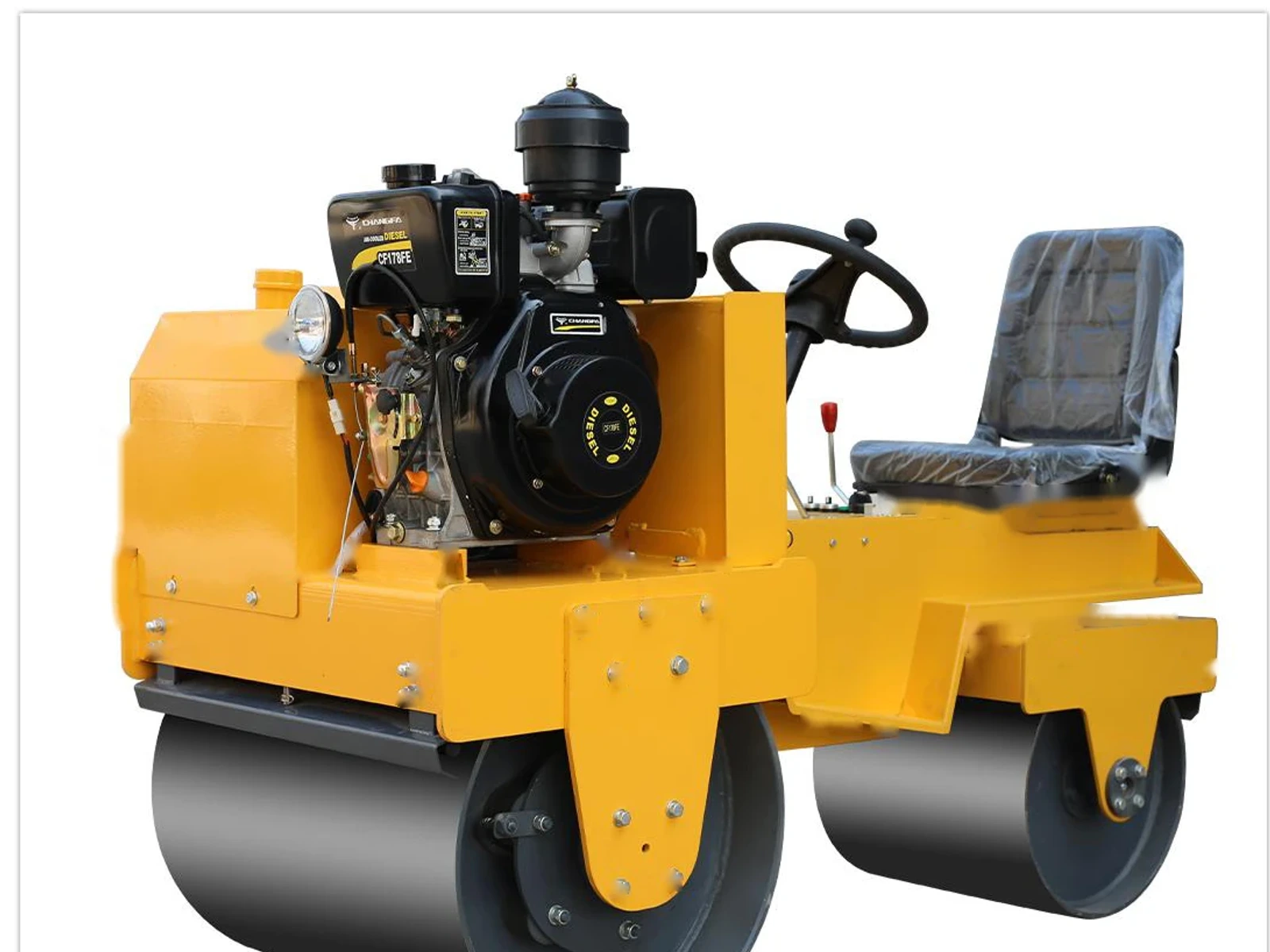 Mini Ride-On Road Roller TC-JS700B
Mini ride-on roller widely used to compact asphalt surfaces, gravel and sandy engineering foundations; high performance, easy operation, long service life.
View Product →
Mini Ride-On Road Roller TC-JS700B
Mini ride-on roller widely used to compact asphalt surfaces, gravel and sandy engineering foundations; high performance, easy operation, long service life.
View Product →
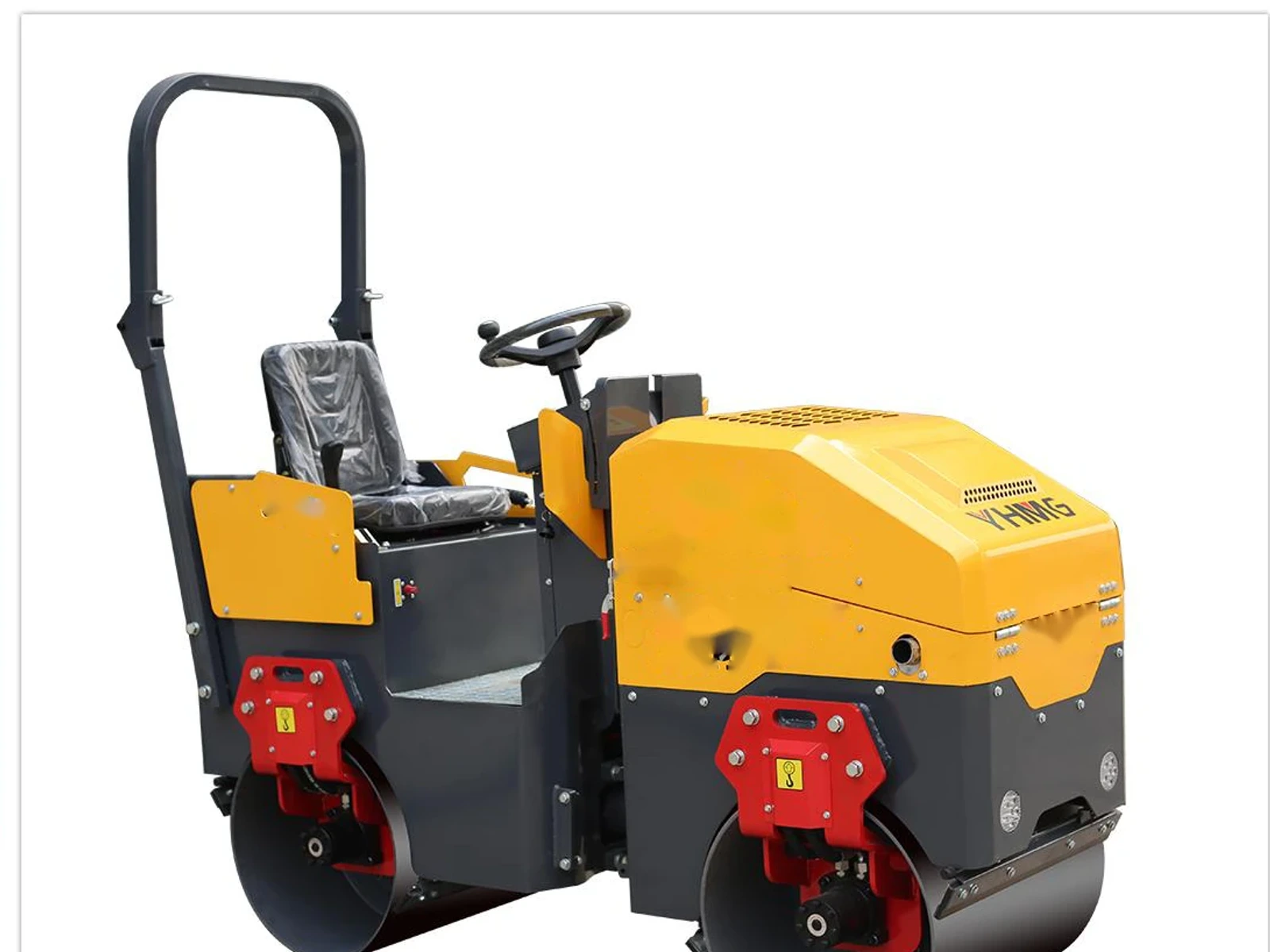 1-Ton Tandem Vibratory Road Roller TC-JSY700
1-ton fully hydraulic tandem vibratory roller, mainly used for vibratory compaction of water-stabilised base courses, lime soil, sand & gravel, asphalt pavement and pipe-trench backfill.
View Product →
1-Ton Tandem Vibratory Road Roller TC-JSY700
1-ton fully hydraulic tandem vibratory roller, mainly used for vibratory compaction of water-stabilised base courses, lime soil, sand & gravel, asphalt pavement and pipe-trench backfill.
View Product →