OEM and Private Label Programs
OEM equipment buying is not a single-machine decision. It is a program decision covering model fit, market positioning, branding, documentation, parts planning, and whether the lineup can be expanded without rebuilding the supply chain each time.
That is why OEM buyers usually start with a category set rather than a single model. They want a supplier that can structure a practical program across compact equipment lines while keeping configuration discipline and support communication clear.
Products
Related Products
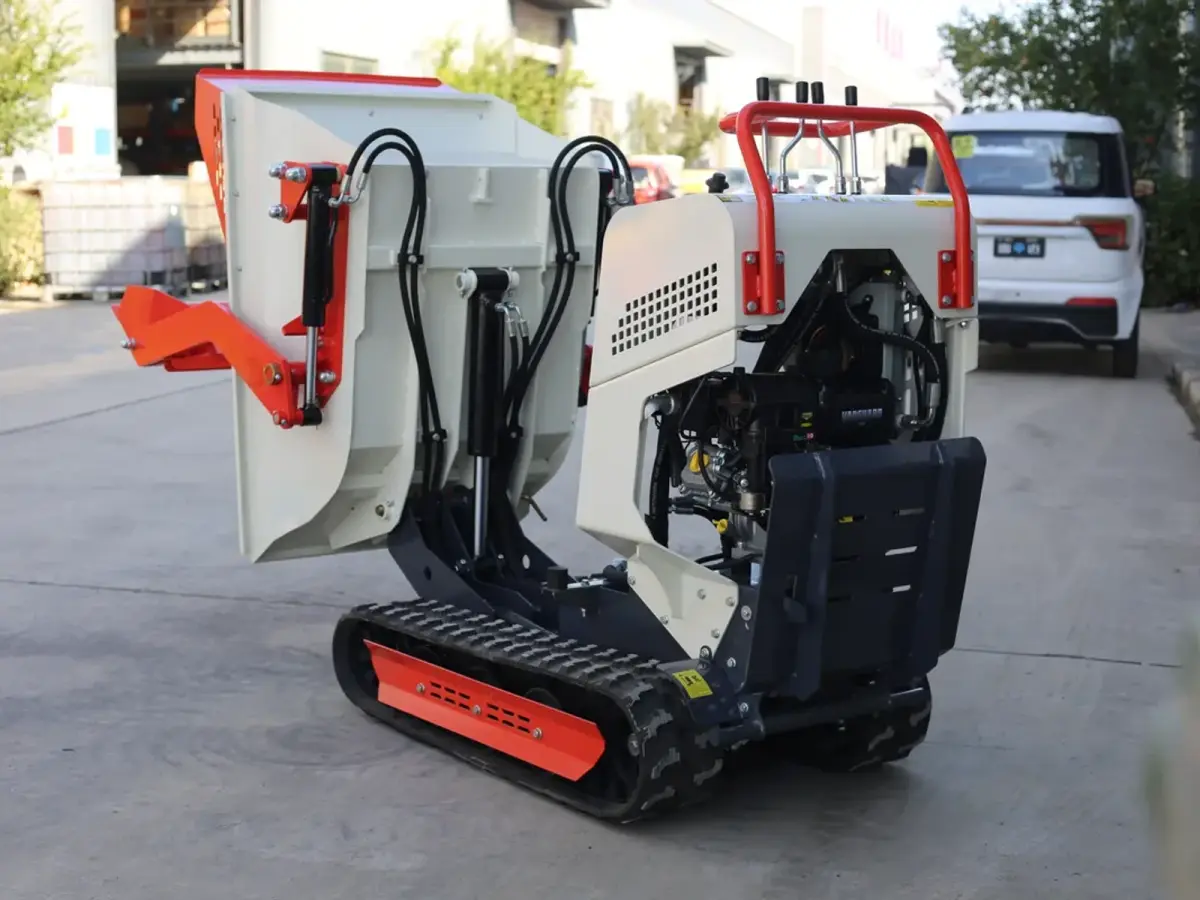
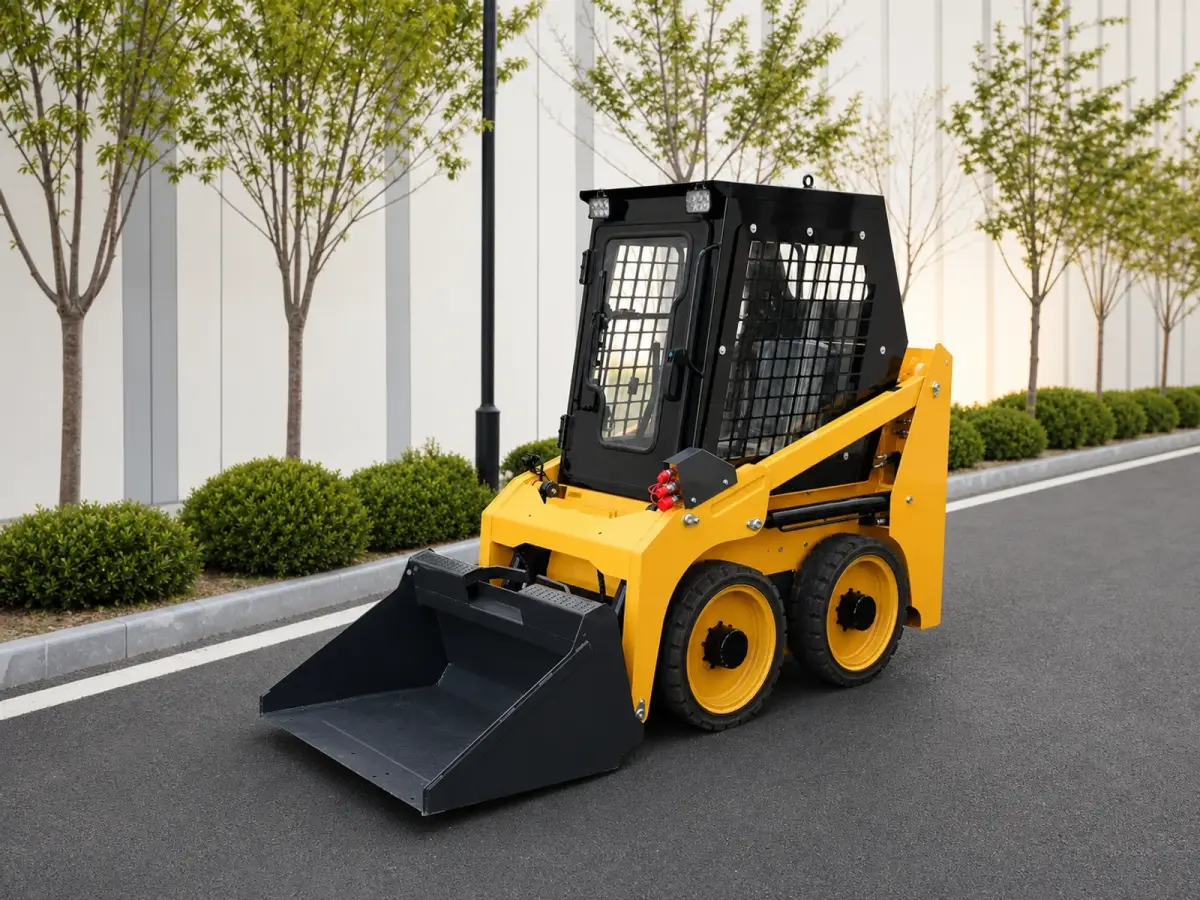
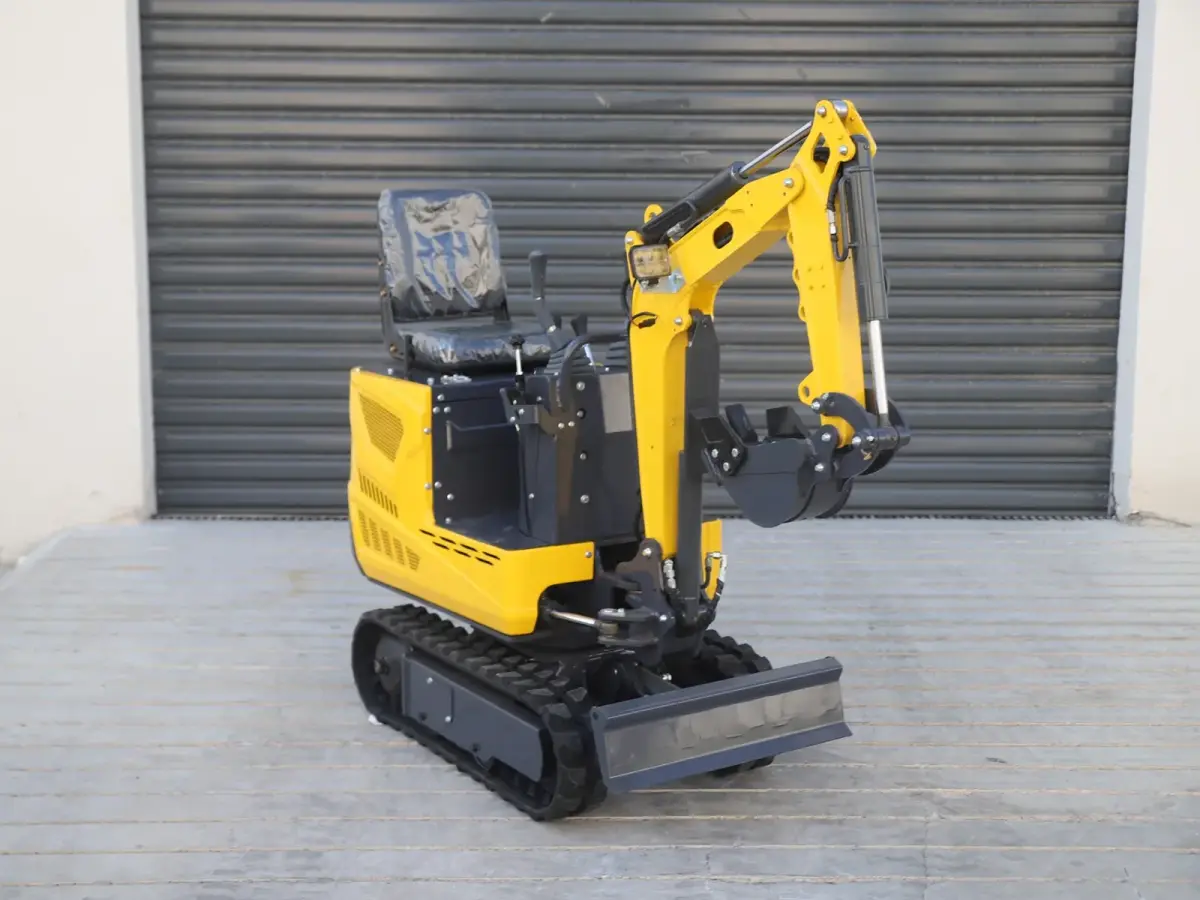
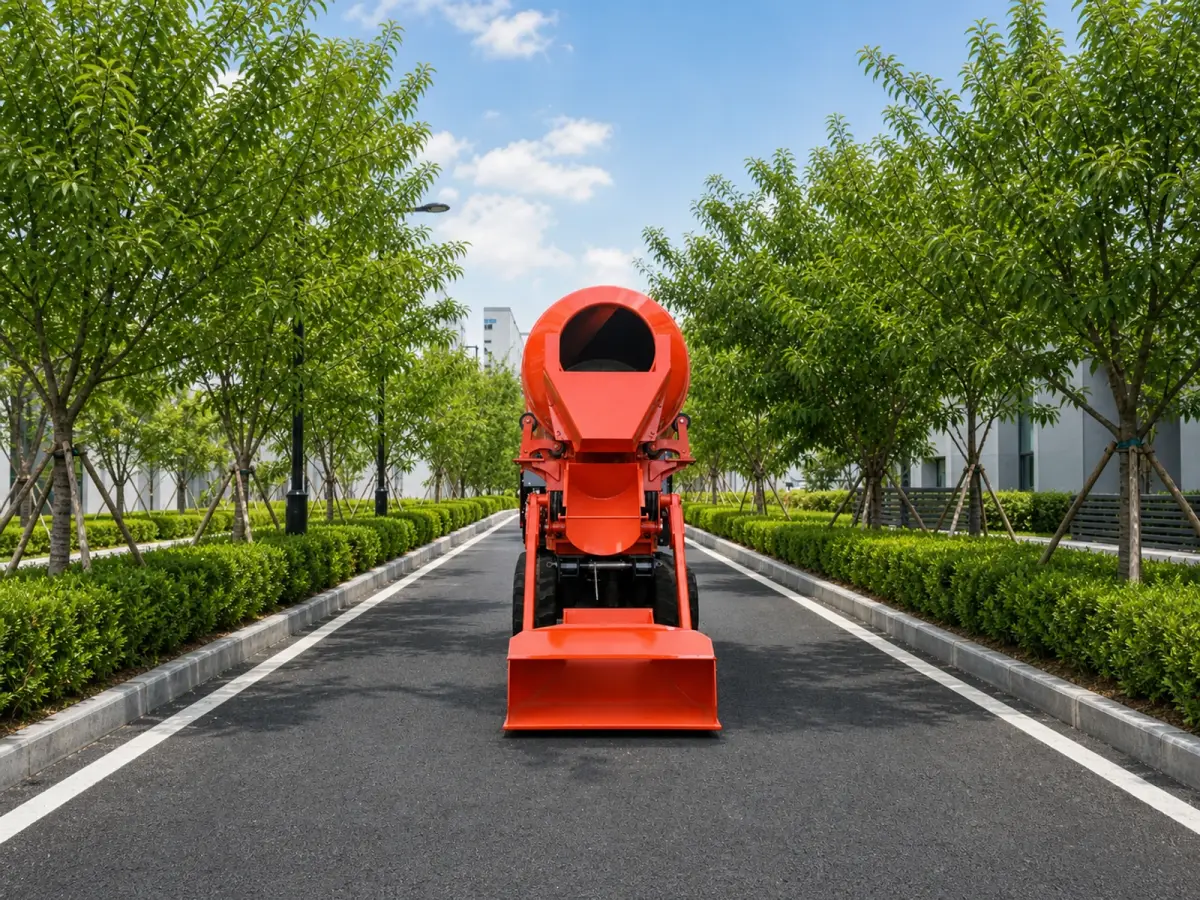
Site Work
What OEM buyers are actually trying to solve
These are the recurring program needs that shape an OEM compact-equipment order before any final branding is applied.
Building a lineup that covers more than one price point
OEM buyers usually need an entry model, a stronger mid-line option, and a path to higher-spec equipment without changing the commercial logic of the range.
Controlling options, documentation, and market fit
Private-label programs work only when the option set stays controlled. Unclear engine, attachment, or compliance configuration quickly becomes a support problem in the destination market.
Combining categories in one supplier conversation
Many OEM buyers want a compact-equipment family rather than a one-model order. Coordinating loaders, dumpers, excavators, or mixers through one supply path reduces friction.
Preparing service and spare-parts support before launch
An OEM program fails in the field if parts and support planning start after the machines ship. Buyers need the service logic shaped during the quote stage, not after the first dealer complaint.
Scaling from trial order to stable repeat buying
The first order is rarely the final structure. Buyers need confidence that the program can expand without changing naming, documentation, or product logic every quarter.
Specification
What OEM and private-label buyers should confirm
Program buyers read a quote differently from end users. These are the checks that matter before a private-label compact-equipment line goes live.
Check
Lineup logic and overlap control
A private-label range should have clear spacing between models. If two machines solve the same problem at nearly the same level, the issue is lineup design, not pricing.
Check
Configuration discipline
Engine, hydraulic, attachment, branding, and documentation choices should be locked clearly. Uncontrolled option variation causes service and dealer confusion later.
Check
Support pack and parts planning
OEM buyers should confirm which wear parts, manuals, and support items belong in the first shipment and which need their own stocking plan.
Check
Expansion path across categories
A good OEM program supports future additions without rewriting the supply structure. Buyers should confirm what adjacent categories can be added cleanly after launch.
FAQ
OEM Solutions FAQs
What is usually the first step in an OEM compact-equipment discussion?
Defining the target range: which categories, what price bands, what market use, and how much specification variation the buyer actually wants to manage.
Why do OEM buyers ask about parts planning before final branding?
Because support readiness affects dealer acceptance as much as machine specification does. A branded machine without a support plan is not a finished program.
Can one supplier cover multiple compact-equipment categories under an OEM program?
That is often the goal. Buyers prefer fewer supply conversations when the categories can be structured under one commercial and service logic.
What should be sent in the first OEM inquiry?
Target market, product categories, expected price positioning, initial quantity, branding scope, support expectations, and the timeline for launch or first evaluation units.
Quote
Equipment for OEM and Private Label Programs
Email info@terracub.com with your site conditions, quantity, destination, and required equipment format. We will help narrow the right machine path before model selection.