Agriculture and Farm Support
Farm work is not one continuous job. It is feeding at dawn, yard cleanup before loading, material movement between sheds, and support work across surfaces that change from concrete to mud within the same hour.
That is why compact equipment matters on agricultural sites. The right machine is the one that gets into the barn, crosses wet ground without cutting it up, and keeps working through repetitive daily chores without needing a tractor for every movement.
Products
Related Products
Site Work
Where compact equipment earns its place on a farm
These are the day-to-day jobs where a compact machine saves labor, shortens travel, and makes one operator cover work that would otherwise take a crew.
Moving feed, bedding, and loose material between buildings
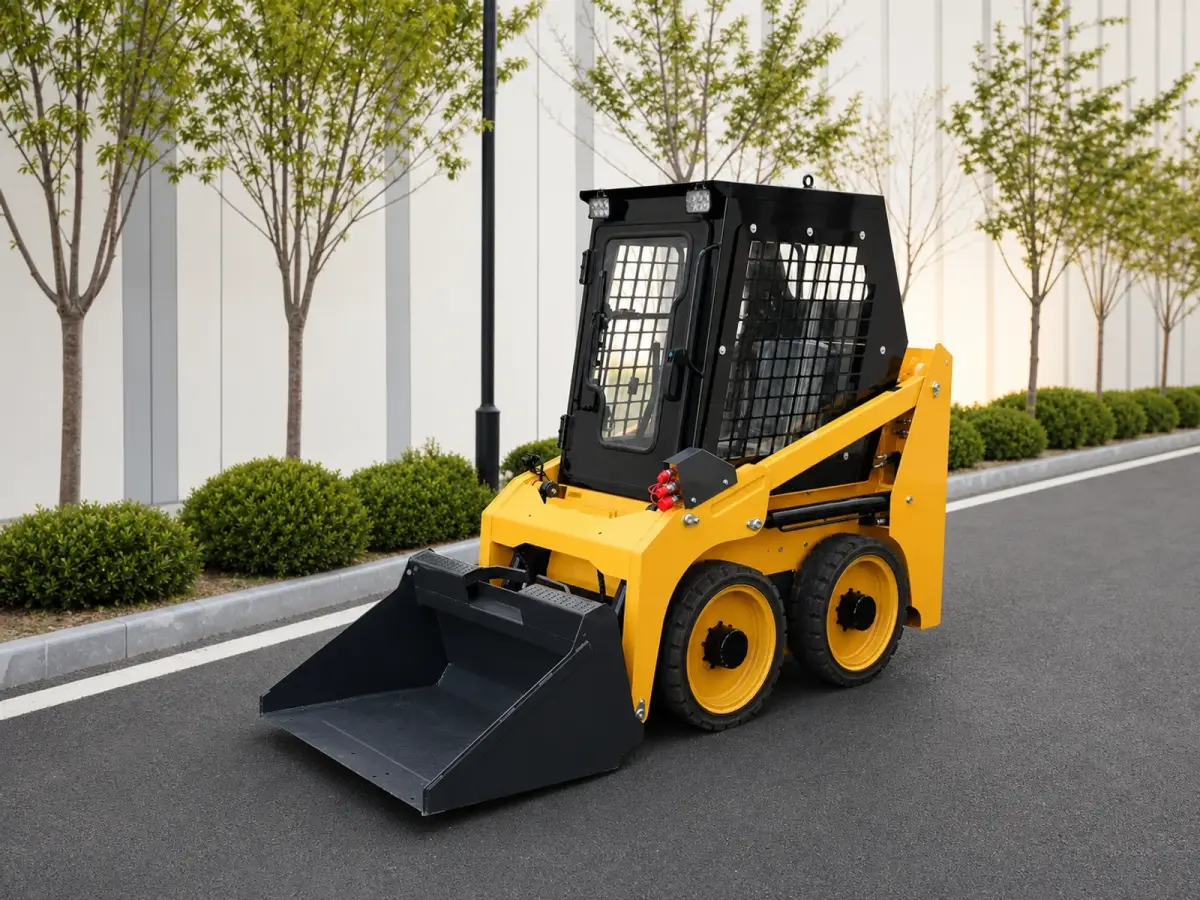
A compact loader or dumper covers the short repetitive runs that do not justify moving a larger tractor every time. Access width and turning room matter more here than headline engine size.
Cleaning livestock yards, passages, and hardstand areas
A compact skid steer clears manure, spoiled feed, and washdown debris quickly where hand tools are too slow and larger loaders cannot pivot cleanly.
Handling slope work and soft-ground transport
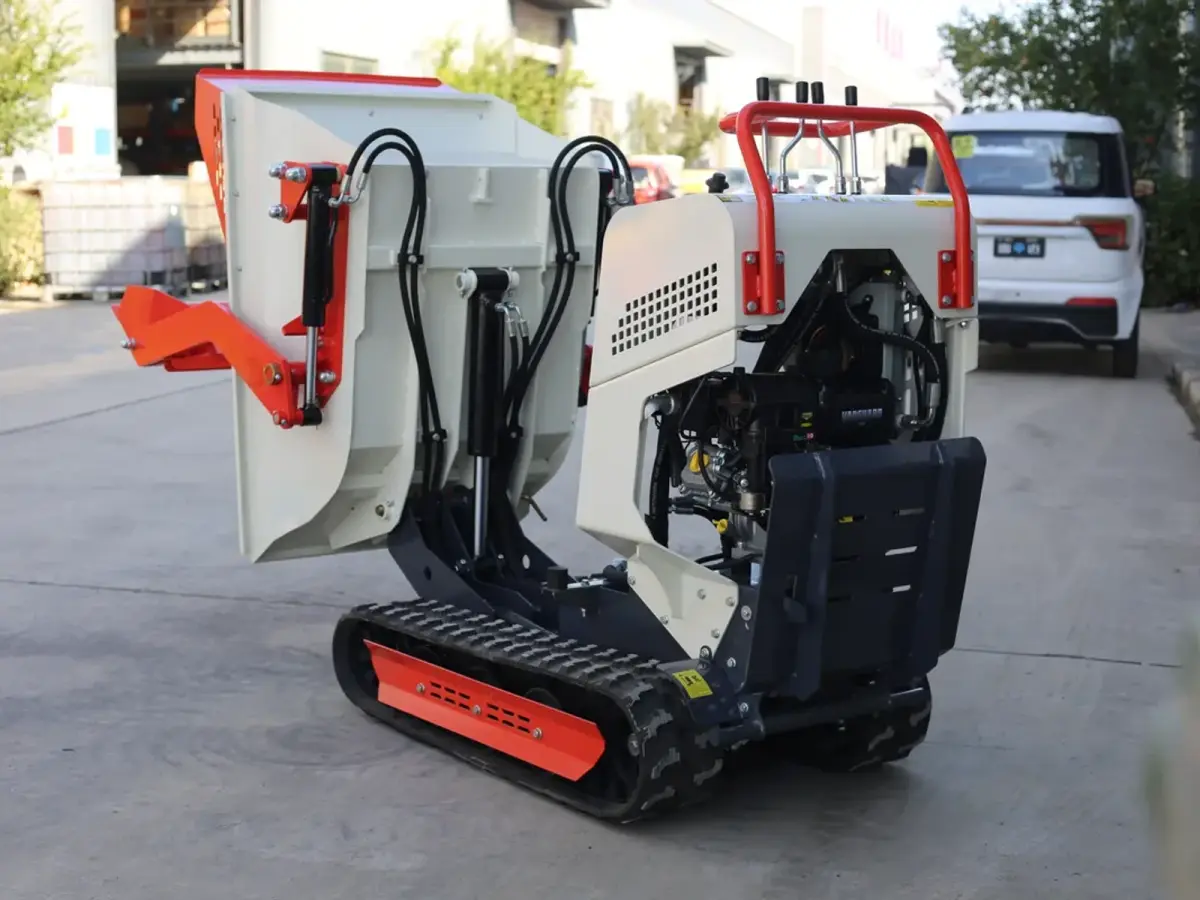
Tracked carriers and loaders hold traction on mixed farm surfaces where wheeled machines spin, sink, or mark the ground more aggressively.
Maintaining lanes, verges, and overgrown edges
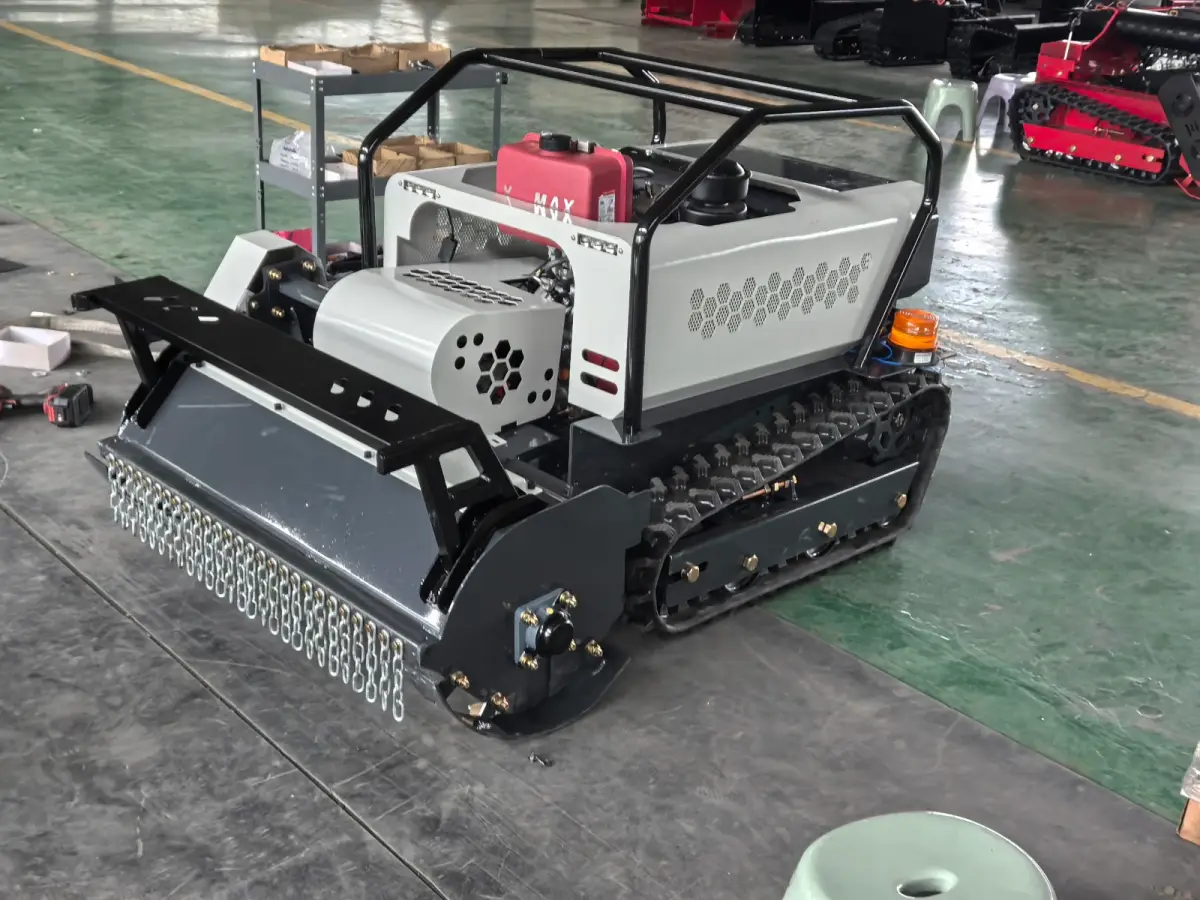
Grounds equipment earns its keep where a farm has long edges to keep open and presentable but does not want a separate large mowing fleet for that work.
Supporting fencing, irrigation, and utility repair
Compact machines move posts, bags, spoil, and tools along runs where pickup access is poor and where the operator needs a machine that can work beside a boundary rather than only in the yard.
Specification
What farm buyers should confirm before ordering
Agricultural use is repetitive, dirty, and seasonally intense. These are the details that decide whether the machine stays useful after the first month.
Check
Surface fit and undercarriage choice
A machine that lives on concrete wants different tires or tracks from one that crosses wet yards and pasture. Match the undercarriage to the real ground condition, not the cleanest part of the property.
Check
Width against gates, shed doors, and passageways
The narrowest point on a farm is usually a feed passage or an older shed doorway. If the machine cannot pass there, the rest of the specification is irrelevant.
Check
Daily service access and engine support
Farm buyers value machines that can be checked quickly before morning work and that use engines with familiar parts and straightforward service planning.
Check
Attachment and bucket match
A loader sold only with a generic bucket often needs a second purchase immediately. Confirm whether the intended bucket, fork, or utility attachment is part of the quote before approving it.
FAQ
Agriculture FAQs
Is a compact loader useful on a farm if there is already a tractor?
Yes, when the work is repetitive, close-range, and access-limited. A compact loader saves time on yard cleanup, feed handling, and loading support where moving a tractor for every short task is slow and awkward.
When is a tracked dumper better than a trailer or wheelbarrow on a farm?
When the route is soft, sloped, or too narrow for a vehicle and too repetitive for hand transport. That is where a dumper changes labor cost directly.
Should an agricultural buyer choose wheels or tracks first?
Choose for the ground condition first. Wheels are cleaner and faster on hardstanding. Tracks are the safer choice on wet yards, loose ground, and slopes where traction decides the job.
What should be sent in the first inquiry?
The narrowest access width, the main surface conditions, the daily tasks, any attachment requirement, quantity, and whether the machine is for one site or multiple properties.
Quote
Equipment for Agriculture and Farm Support
Email info@terracub.com with your site conditions, quantity, destination, and required equipment format. We will help narrow the right machine path before model selection.