Snow Removal and Winter Support
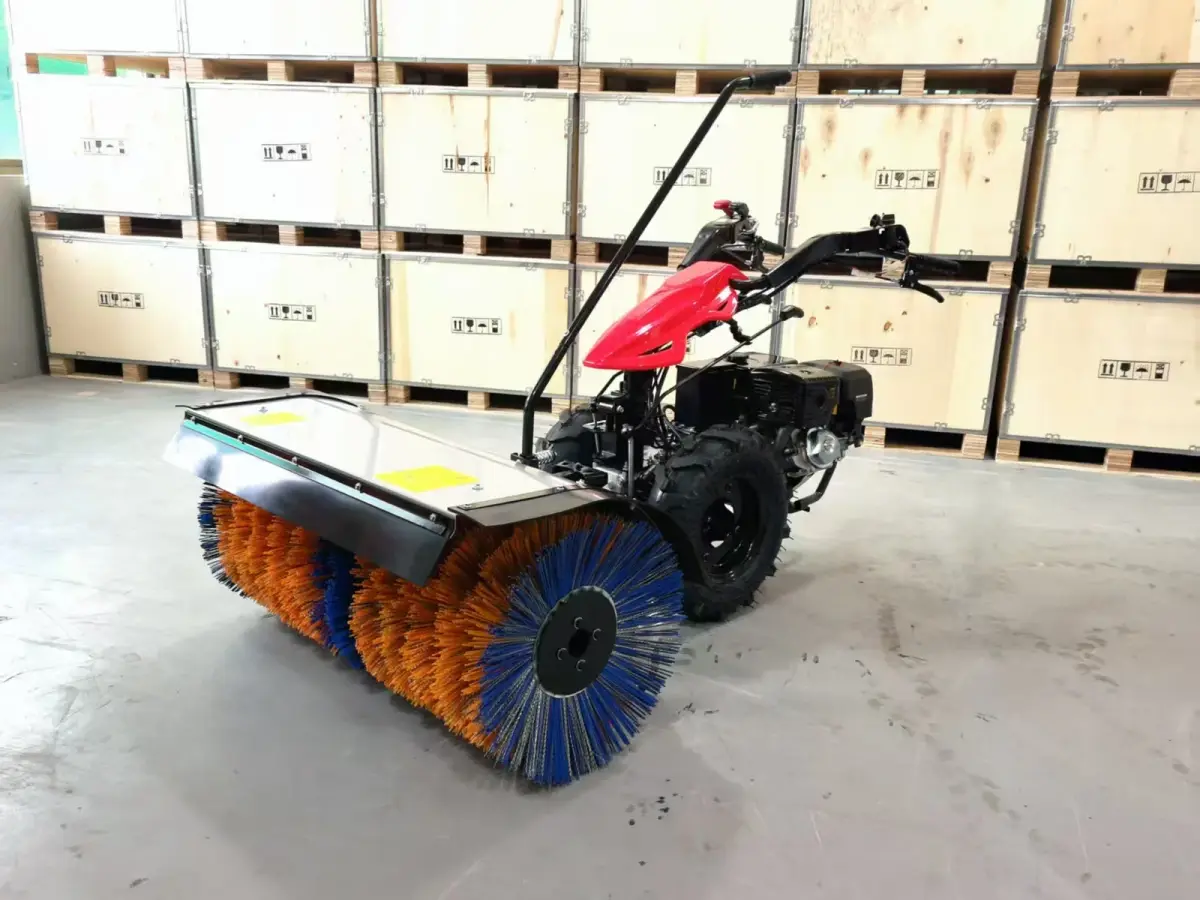
Snow work is a response business. Buyers need machines that start in low temperatures, clear the route quickly, and fit the places where larger municipal equipment does not go: walkways, small yards, property lanes, and loading edges.
Compact winter equipment matters because most snow jobs are not open highways. They are access routes, entrances, property circulation, and cleanup around parked vehicles or built structures where machine size becomes the first constraint.
Products
Related Products
Site Work
Where compact equipment works in snow operations
These are the winter jobs where compact machines keep routes open and keep the main plow fleet focused on higher-volume work.
Clearing small lots, paths, and property access routes
Compact snow machines are useful where a full-size truck or loader cannot turn cleanly or would cause more disruption than the route justifies.
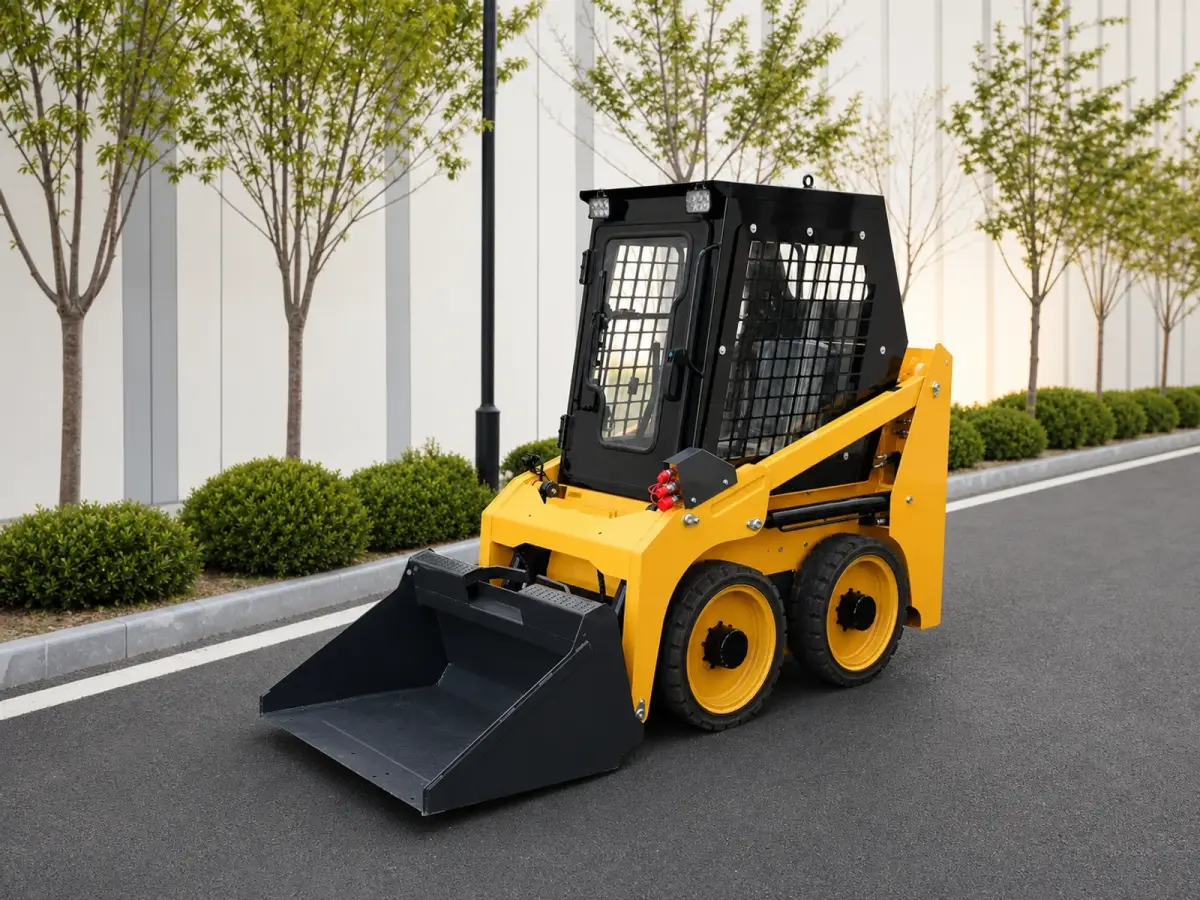
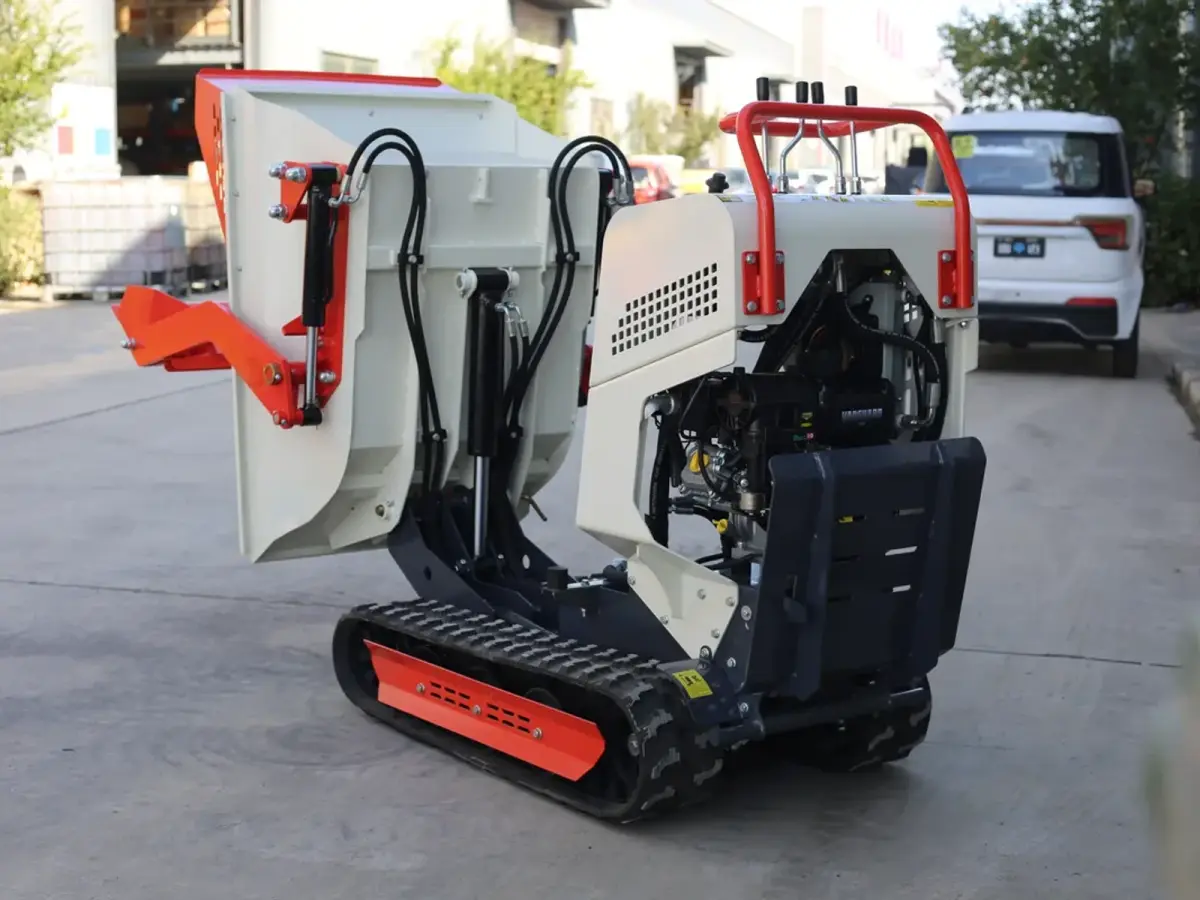
Supporting loaded snow movement after the initial clear
A compact dumper or loader helps move accumulated snow to a disposal point where the route is too narrow or too soft for larger support vehicles.
Working around buildings, parked equipment, and tight edges
Winter cleanup usually slows down in the corners, not the open center. Compact machines keep those edge areas from becoming the longest part of the job.
Providing backup and overflow capacity during storms
Property managers and contractors use compact equipment to keep crews productive when the main fleet is committed elsewhere or when the route does not justify a larger unit.
Maintaining year-round value after winter
The strongest winter purchases are machines that still support cleanup, handling, or grounds work outside snow season, instead of becoming single-purpose assets for most of the year.
Specification
What snow-equipment buyers should check first
Winter support machines are judged by startup reliability, route fit, and how well they work in cold-weather cycles. These are the practical checks before buying.
Check
Cold-weather start and operating routine
A machine that is slow to start or awkward to warm up loses value immediately in snow operations. Buyers should confirm the cold-start behavior and support guidance up front.
Check
Route width and machine footprint
Walkways, service lanes, and small lots set the real width limit. The machine has to clear the route without creating constant repositioning.
Check
Traction and surface control
Snow, slush, and freeze-thaw surfaces punish the wrong running gear. Confirm what surface the machine is expected to work on most often and choose accordingly.
Check
Off-season use
Many buyers justify winter equipment more easily when the machine can support grounds, cleanup, or material handling during the rest of the year.
FAQ
Snow Removal Equipment FAQs
When does compact snow equipment make more sense than a truck-based snow setup?
When the work is tight, property-based, or access-limited. Compact machines are strongest on lanes, paths, yards, and edge cleanup where trucks lose efficiency.
Should a buyer prioritize snow-specific equipment or a year-round support machine?
That depends on utilization. Dedicated snow equipment is strongest for repeat winter contracts. A year-round compact support machine often makes more sense when snow is only part of the annual workload.
Can a compact dumper help in snow work?
Yes, in support roles where snow or winter material has to be moved internally across routes that are too narrow or awkward for larger vehicles.
What should be sent in the first snow-equipment inquiry?
Typical route width, surface type, snowfall pattern, whether the job is paths, lots, or mixed property work, quantity, and whether the machine also needs off-season use.
Quote
Equipment for Snow Removal and Winter Support
Email info@terracub.com with your site conditions, quantity, destination, and required equipment format. We will help narrow the right machine path before model selection.