Waste Handling and Cleanup
Waste-handling work is defined by repetition. Loose material has to be gathered, shifted, loaded, and cleared again every day, often across yards that are tight, wet, or shared with other site traffic.
Compact equipment earns its place in waste operations where a full-size loader is too large for the route or where a dedicated cleanup machine saves the primary loading machine for higher-value work.
Products
Related Products
Site Work
Where compact equipment helps in waste operations
These are the everyday cleanup and transfer tasks where compact machines reduce manual handling and keep the site moving.
Cleaning shared yards, transfer points, and loading areas
Sweepers and compact loaders keep surfaces clear where debris builds up faster than a manual crew can stay on top of it.
Moving loose waste, spoil, and cleanup material
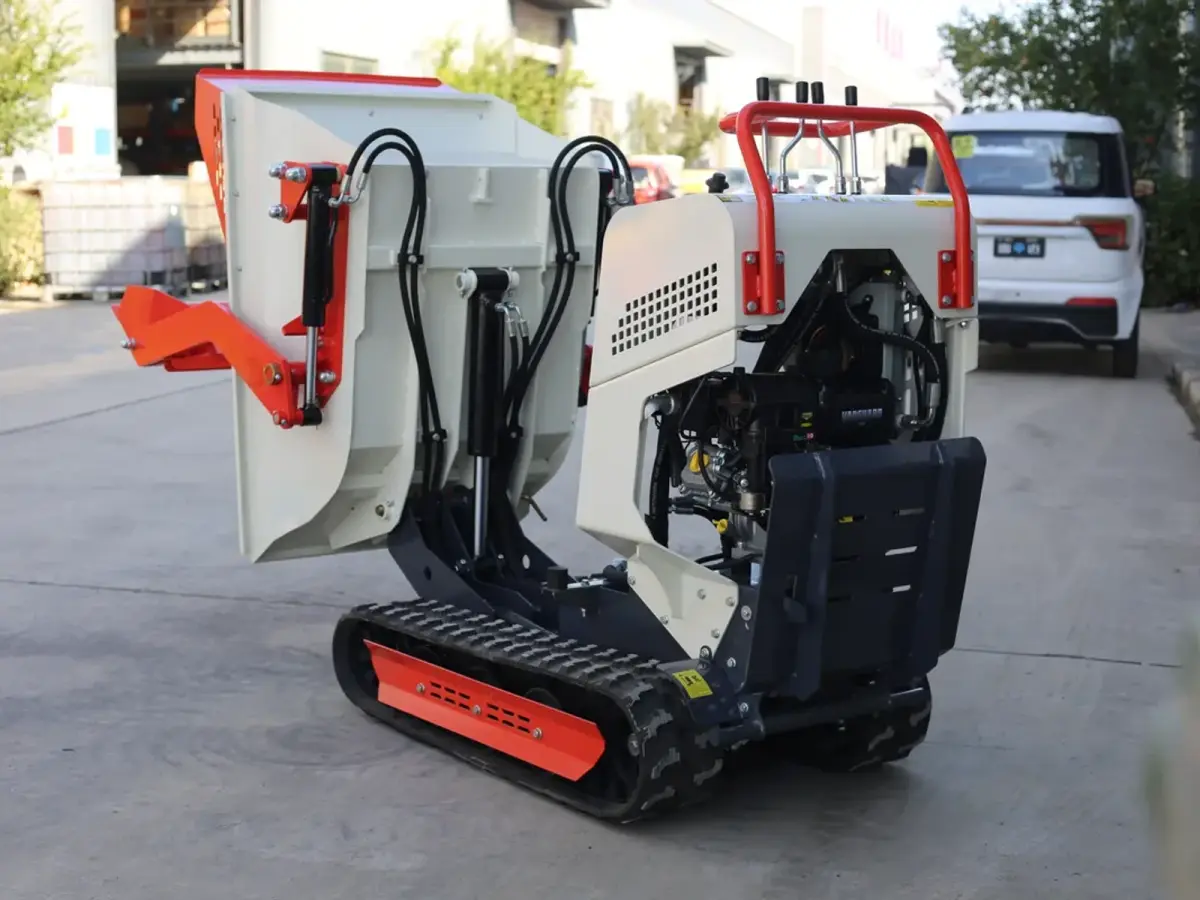
A compact dumper covers short repetitive transport runs in places where larger transfer vehicles are inefficient or cannot stay close to the cleanup point.
Supporting bins, skips, and stockpile edge work
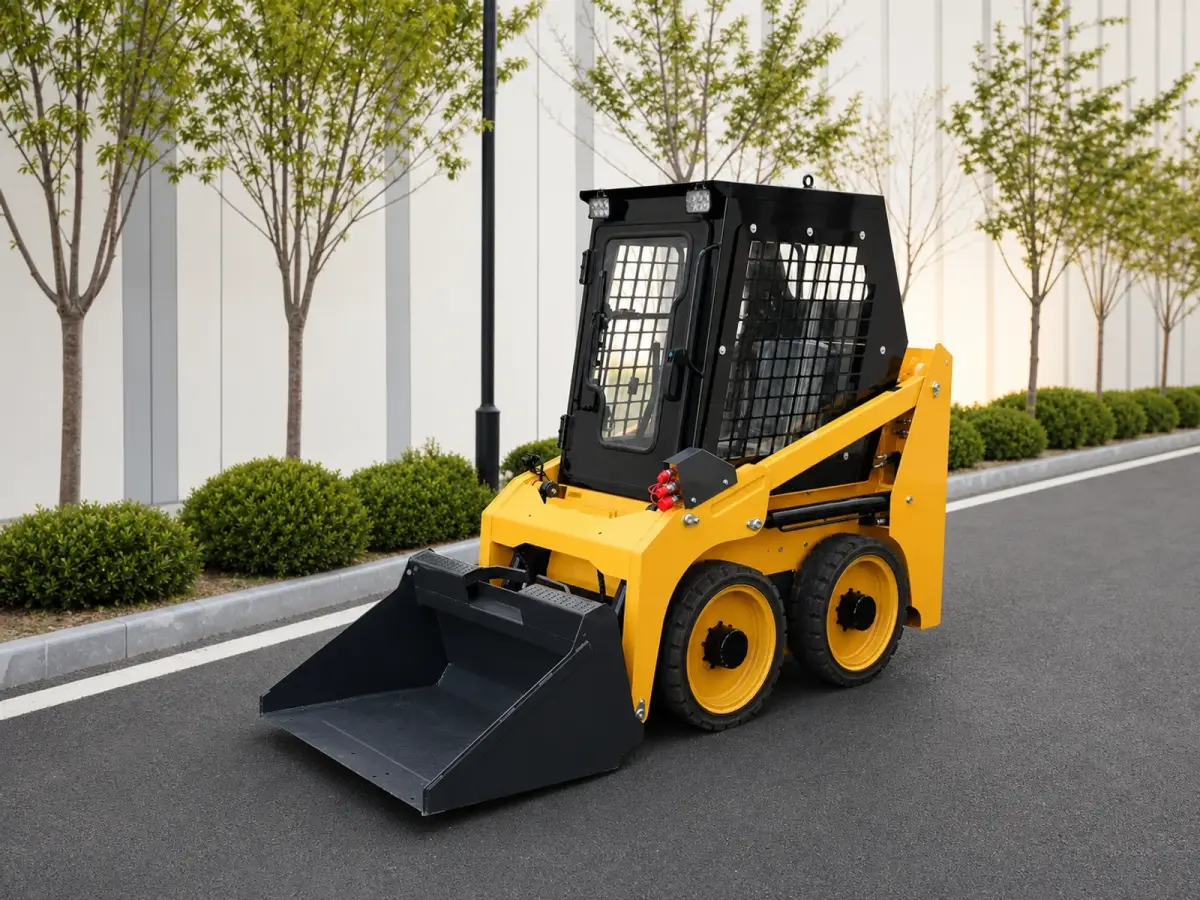
Compact loaders help around container edges, sorting points, and pile cleanup where tighter maneuvering matters more than maximum bucket volume.
Working in wet, dirty, or uneven site conditions
Waste yards are rarely clean or uniform. Buyers need a machine that keeps traction, tolerates debris exposure, and can be cleaned down without excessive downtime.
Keeping the primary machine on primary work
In many operations the compact machine is not the main loader. It is the support unit that stops the larger machine from losing time on low-value cleanup cycles.
Specification
What waste-operation buyers should confirm
Waste-handling support machines are judged by uptime, maneuverability, and cleanup efficiency. These are the details to confirm before buying.
Check
Cleanup method and surface type
A paved transfer yard, a recycling corner, and an outdoor spoil area do not need the same machine. Match the cleanup method to the real floor and debris condition.
Check
Turning space and shared-site movement
Compact equipment is usually chosen because the route is busy or restricted. Confirm machine width and turning envelope against the actual traffic pattern.
Check
Protection against dust, debris, and washdown
Waste sites are hard on cooling, guards, and moving parts. Buyers should confirm what is protected and how quickly the machine can be cleaned and returned to work.
Check
Support parts and wear planning
Brooms, cutting edges, tires, tracks, and hoses are not optional planning items in cleanup work. Confirm what comes with the first support pack and what must be stocked separately.
FAQ
Waste Solutions FAQs
Why use a compact machine for waste cleanup if a larger loader is already on site?
Because daily cleanup and tight-yard support often interrupt the larger machine without adding much value. A compact unit handles those cycles more efficiently.
When is a sweeper the better first purchase than another bucket machine?
When the biggest daily cost is surface cleanup, dust control, or debris spread across paved areas rather than bulk loading volume.
Are tracks or wheels better for waste-yard support?
That depends on the surface. Wheels are often cleaner on finished yards, while tracks help more on mixed, wet, or unstable surfaces where traction is the first problem.
What should a waste-operation buyer send in the first inquiry?
Surface type, cleanup material, route width, whether the machine supports sweeping, loading, or internal transfer, plus quantity and shift pattern.
Quote
Equipment for Waste Handling and Cleanup
Email info@terracub.com with your site conditions, quantity, destination, and required equipment format. We will help narrow the right machine path before model selection.