Landscaping and Grounds Work
Landscaping work usually happens where access is narrower than the machine catalog assumes. Crews have to get through gates, protect finished surfaces, and keep material moving without turning the site into a second repair job.
That makes compact equipment a fit for landscaping. Buyers are not looking for the largest machine they can afford. They are looking for the one that gets into the garden, carries enough per cycle, and does not waste time in tight turns.
Products
Related Products
Site Work
Where compact equipment pays off in landscaping
These are the jobs where a compact machine replaces repeated hand movement and lets a small crew finish more in a day.
Moving soil, gravel, mulch, and pavers through narrow access
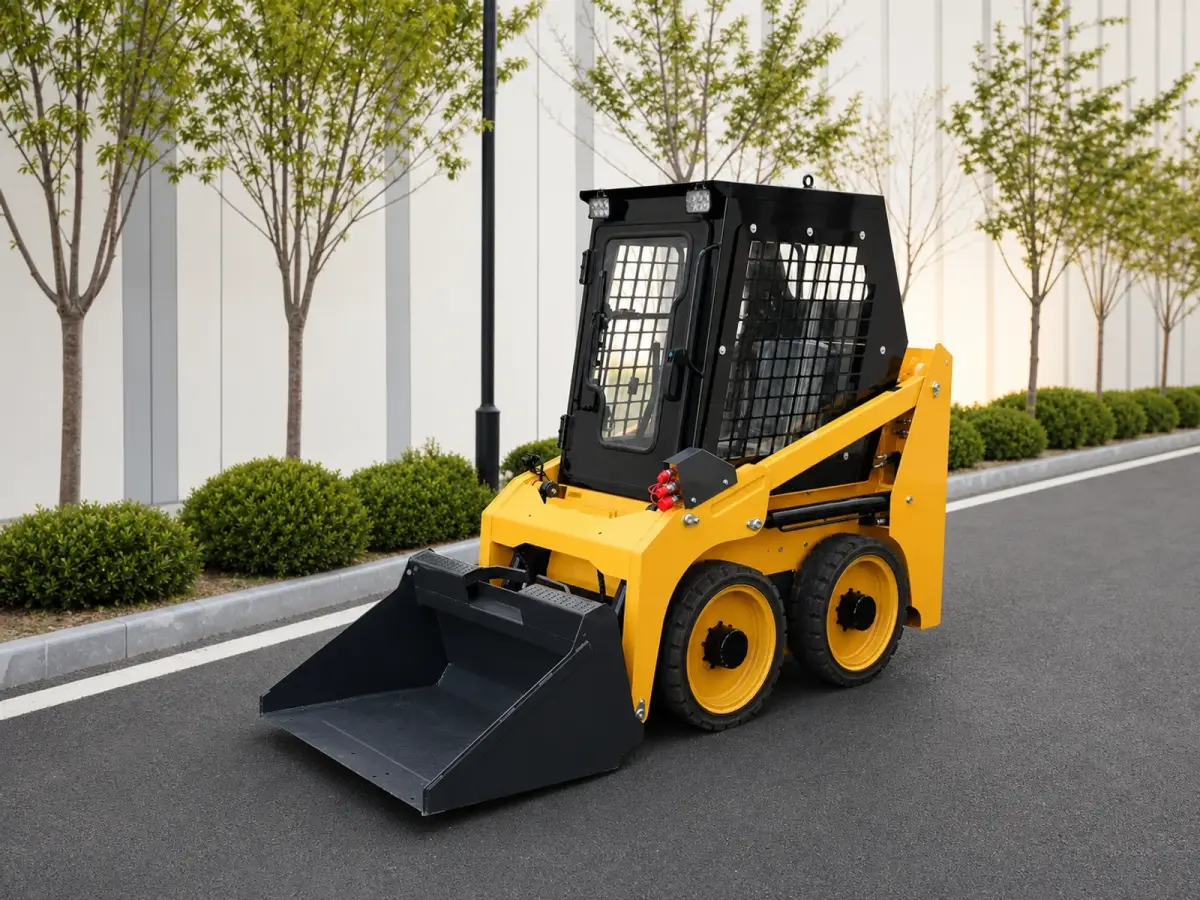
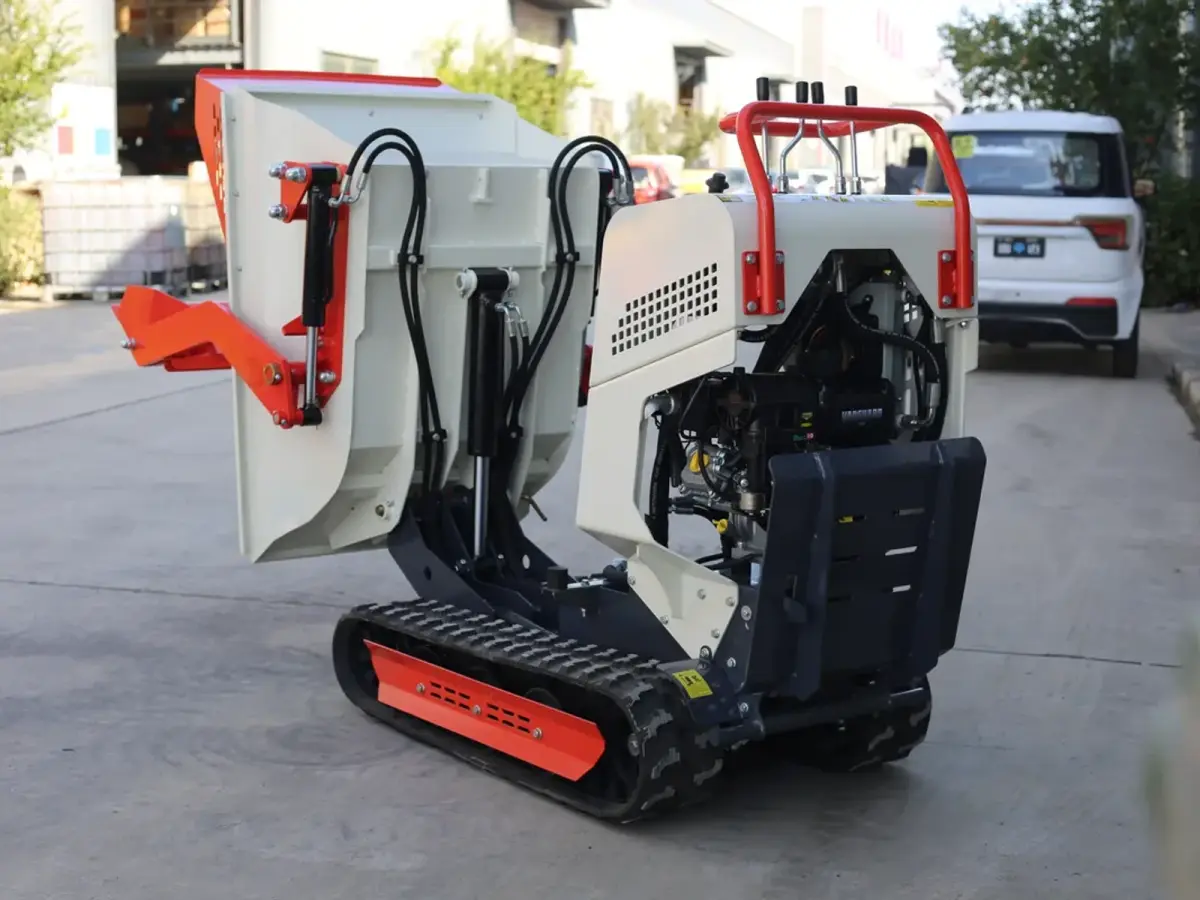
A compact dumper or narrow loader covers the runs that usually consume the day on residential and courtyard jobs where trucks stop at the front curb.
Cleaning up spoil and demolition material during garden rebuilds
Compact machines remove old turf, paving, and spoil without relying on constant wheelbarrow cycles, which is usually the real cost on small sites.
Grading, leveling, and support loading in confined yards
A compact loader earns its place where the operator needs to grade and carry inside a limited turning envelope rather than on a wide open lot.
Working on soft lawns and mixed surfaces
Tracks matter when the route crosses lawns, loose fill, or wet ground where wheeled machines either lose traction or leave a repair bill behind them.
Supporting trenching, planting, and utility-side landscaping
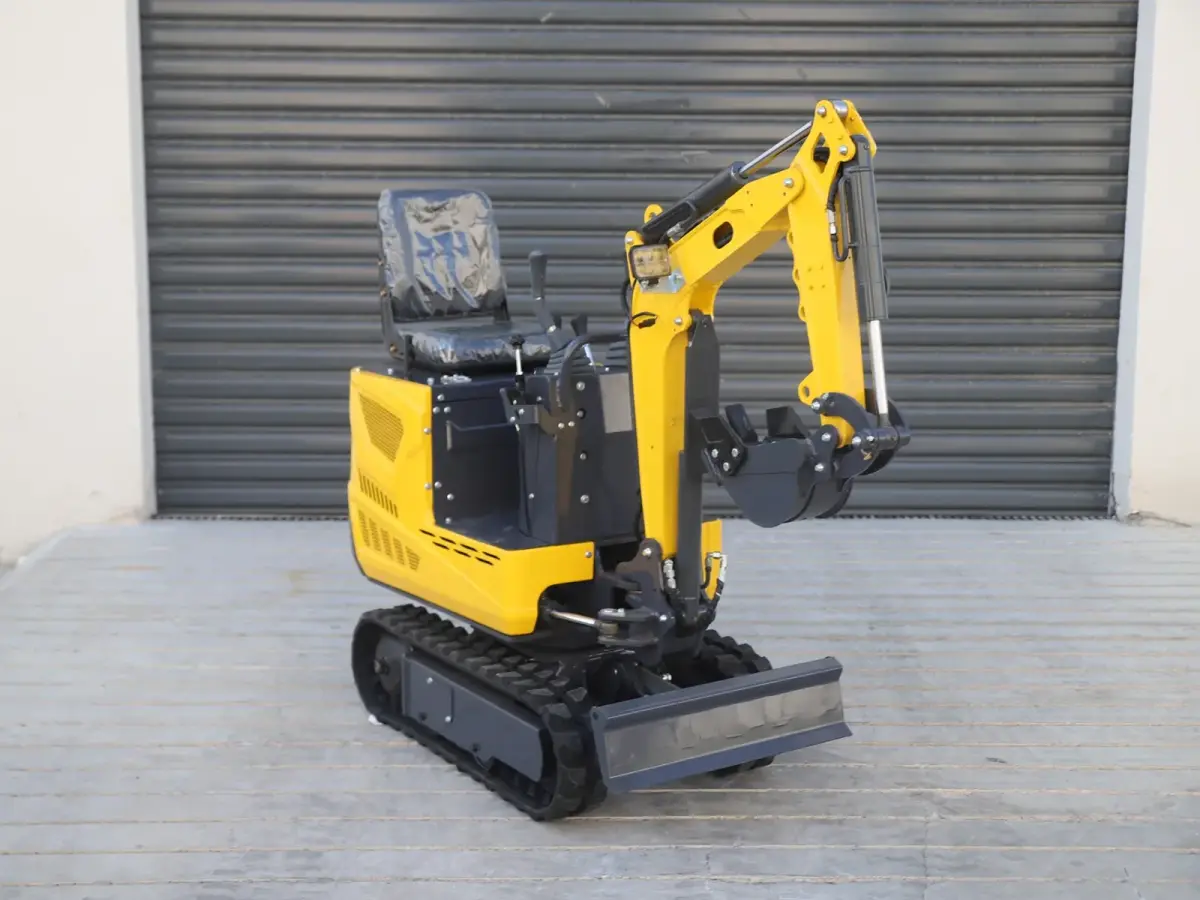
Compact excavators add value where the project includes drainage, irrigation, or digging support and the same access limits still apply.
Specification
What landscaping buyers should verify first
Landscaping buyers win by matching the machine to the route and the finish standard. These are the details that decide that match.
Check
Machine width against the narrowest access point
The gate and side path are usually the real specification. If the machine fails there, payload and engine size never reach the job.
Check
Track or tire choice against the finished surface
The best machine for a paved courtyard is not always the best one for wet turf. Match the running gear to the surface you are expected to leave behind.
Check
Bucket size and cycle efficiency
On landscaping work the wrong bucket costs more time than the wrong engine. Confirm the working bucket and actual material type before ordering.
Check
Trailer and job-to-job transport
Many landscaping crews move daily between small jobs. Machine weight, loading method, and transport simplicity affect profitability as much as on-site performance.
FAQ
Landscaping Solutions FAQs
What is usually the first compact machine a landscaping contractor buys?
Usually a narrow dumper or compact loader, depending on whether the business loses more time to hand transport or to cleanup and grading support.
Why are tracks so common in landscaping equipment?
Because many landscaping jobs include lawns, loose fill, and wet ground where lower surface pressure and better traction matter more than top speed.
Can one compact machine replace every landscaping task?
No. Most crews build around one primary compact machine and then add the second machine that removes the next biggest labor bottleneck.
What should a landscaping buyer send in the first inquiry?
Gate width, surface condition, main material types, whether grading or digging is involved, quantity, and how often the machine will move between jobs.
Quote
Equipment for Landscaping and Grounds Work
Email info@terracub.com with your site conditions, quantity, destination, and required equipment format. We will help narrow the right machine path before model selection.