Road Roller Maintenance Checklist: Build the Plan From Your Machine's Manual
Build a road roller maintenance checklist from the right machine and engine manuals. Separate inspections, service-hour triggers and storage in a clear plan.

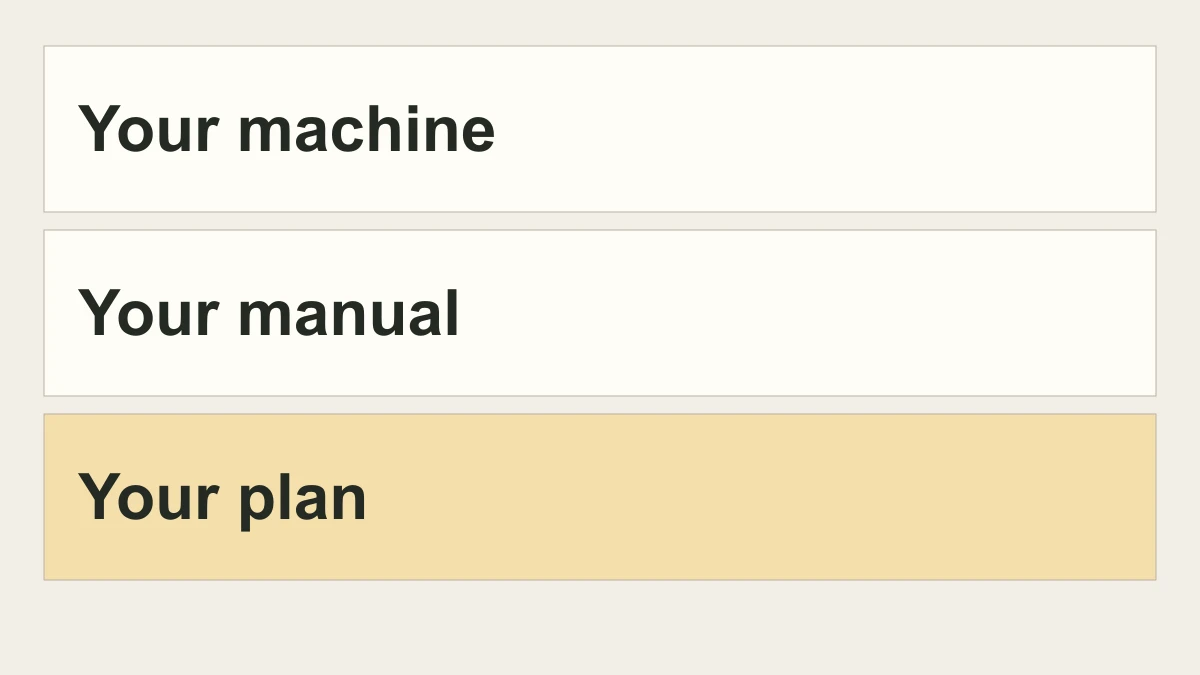
A road roller maintenance checklist should identify the exact machine and engine, list the systems actually fitted, and attach each inspection or service task to its applicable manual. Keep pre-start observations, initial service, recurring operating-hour tasks and storage requirements separate. Record defects and missing information before treating the plan as complete; a generic timetable cannot establish the correct schedule for your roller.
Quick plan
- Identify the roller, engine and applicable manual revisions.
- Inspect fitted systems using the state and method permitted by those manuals.
- Keep initial service, recurring hours, condition changes and storage as separate triggers.
- Record unresolved defects and documentation gaps, then assign the next responsible action.
Identify the machine, engine and applicable manuals
Begin with an identity record rather than a list of service periods. Capture the machine model and serial or build identity, the fitted engine, the available roller manual and the engine manual. For each document, retain its revision and the section relevant to the task.
The engine matters even when the roller model appears to match. The historical Wacker RD11 operator manual reviewed for this guide has separate Honda and Vanguard engine schedules and directs readers to the engine manufacturer's Operation Manual for additional information. Choosing the roller name alone would leave the engine schedule unresolved.
| Identity field | What to record | If it is missing |
|---|---|---|
| Roller | Model and serial or build identity | Obtain the machine identity before accepting a schedule |
| Engine | Fitted engine model and applicable manual | Keep engine tasks unverified |
| Roller manual | Title, revision and relevant page or section | Request the applicable document |
| Fitted systems | Drum, scraper, water, controls and other systems present | Check applicability before adding a task |
| Existing records | Hour-meter reading and available service history | Mark unavailable information explicitly |
A schedule from another roller can show how a plan is organized. It cannot fill an unknown specification in this identity record. That distinction is particularly important when a supplier offers several configurations under one product family.
Build a checklist around fitted systems and inspection state
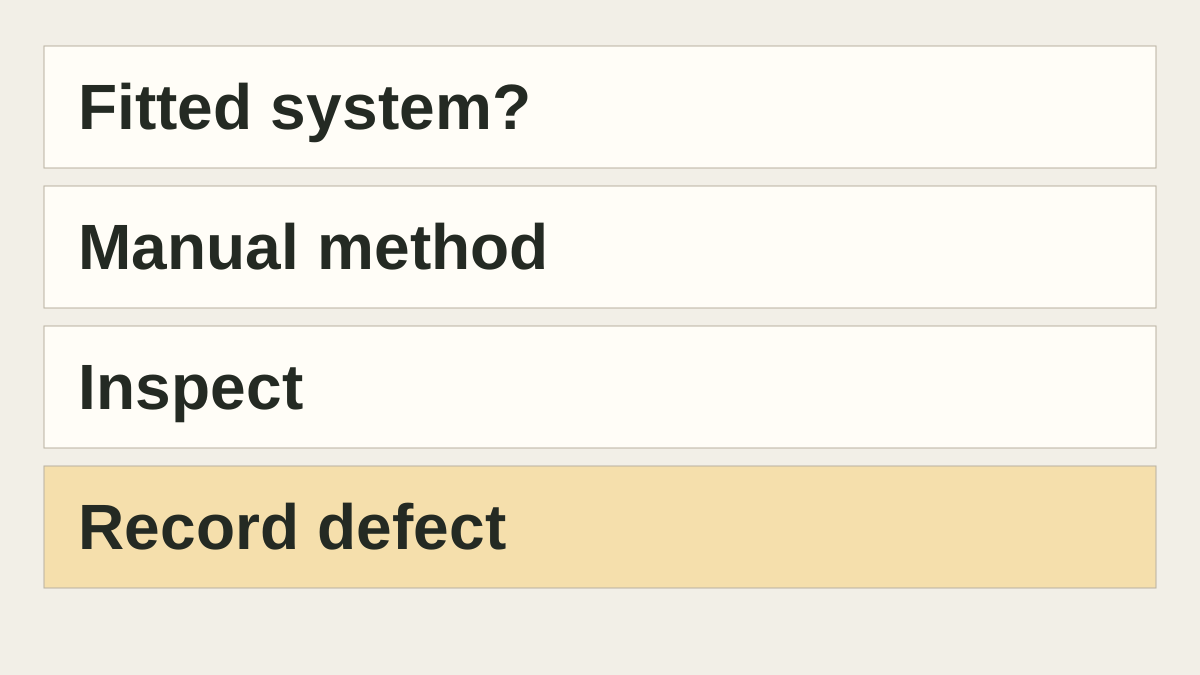
A useful checklist asks whether a system is fitted, what the applicable inspection method requires, and what was observed. It also distinguishes a static observation from a functional test. A heading such as “check brakes” does not supply the test procedure or the conditions in which it may be performed.
The TxLTAP roller and compactor inspection checklist, dated May 2019, separates power-off and power-on inspection categories. Its items include drum scrapers, hydraulic lines, material buildup, controls, brakes, the hour meter and water systems. It also provides condition, discrepancy, repaired-discrepancy and signoff fields. This public training document is useful for organizing a record; it is not an OEM service schedule or permission to perform a powered test.
Use the following worksheet to build the inspection portion of your plan. Add only systems actually fitted, and identify the machine manual's permitted state and method before recording a result.
| System or record | Applicability and reference | Observation to retain | Next action |
|---|---|---|---|
| Drum and scrapers | Fitted configuration; relevant manual section | Visible condition and material buildup | Record concern; use applicable inspection or service instructions |
| Hydraulic system | Relevant lines, reservoir and inspection method | Visible leakage or condition; level only under the stated method | Leave uncertain readings or defects unresolved for review |
| Water system | Fitted tank and sprinkling components | Condition noted under the permitted inspection | Use the applicable water-system instructions |
| Brakes and controls | Exact functional-test instructions and permitted state | Test result only when the method is verified | Do not substitute a visual observation for a functional result |
| Hour meter and records | Meter reading and service documents available | Actual reading and missing history | Carry these facts into the service plan |
| Defect disposition | Person responsible for review | Concern, action and status | Preserve unresolved concerns rather than marking the checklist complete |
The historical RD11 service-safety guidance says not to clean or service that machine while it is running, prohibits flammable cleaning solvents and directs periodic maintenance to its operator manual. Those instructions do not make a generic checklist sufficient for another roller's isolation or service procedure.
If a safety-relevant defect is found, or the required test method is uncertain, suspend operation pending responsible qualified review. Record the concern and who will assess it. This worksheet does not diagnose a repair or release a machine for use.
Keep initial service, running hours and condition changes separate
Service triggers answer different questions. An initial-service note applies to a particular early-life requirement. A recurring interval governs a repeated task. A condition note may change the attention a task needs. Combining all three into a weekly or monthly grid can erase the basis for the requirement.
| Trigger class | Question the plan must answer | Evidence to keep |
|---|---|---|
| Initial service | Is there a separate first-service requirement? | Exact applicable manual note and completion record |
| Recurring operating hours | Which task repeats, and under which stated interval? | Task, manual reference and service history |
| Condition change | Does the manual modify inspection or service for the working conditions? | Stated condition and applicable instruction |
| Storage | What duration or storage condition activates preparation? | Storage section for the machine and engine |
The historical RD11 machine schedule, for example, has a new-machine return-line filter note separate from its recurring table. It also calls for increased air-cleaner or filter inspections and cleaning in dusty conditions. These are named RD11 requirements, not a universal first-service rule or a reason to invent a shorter interval for another roller.
Preserve the wording of the applicable manual when entering the trigger. If the engine manual and roller manual cover different systems, keep their references separate. If the relevant instruction is missing, mark it “not verified” and request the document rather than turning an example into a due date.
Read one historical RD11 schedule without transferring it
The example below comes from the Wacker RD11 Operator's Manual, 0155952en 004 / 0605, the June 2005 edition hosted on a supplier's site. Its machine schedule is in section 5.2, printed page 38. It illustrates how to read a model-specific table. It is historical documentation, not a current TerraCub schedule, and its applicability to any machine must be confirmed separately.
| Historical RD11 trigger | Tasks shown in that manual | Planning lesson |
|---|---|---|
| Daily before starting | External hardware; hydraulic-fluid level | Keep pre-start tasks distinct from later service |
| Every 100 operating hours | Greasing the articulated joint, rear drum drive bearing and exciter bearing | Attach the interval to the named machine components |
| Every 600 operating hours | Return-line filter; scraper-bar check and adjustment; battery-terminal cleaning | Retain the exact task and model reference |
| Every 1200 operating hours | Hydraulic-oil change | Do not copy the interval into another roller's plan |
| New-machine note | Return-line filter after the first month or 100 operating hours | Preserve initial-service wording separately from recurrence |
The engine charts on printed page 37 provide another reason to check configuration. The Honda chart has an “after first 20 hours” column, while the Vanguard chart has an “after first 8 hours” column. Those are column labels in this historical manual, not an engine-oil instruction for the reader's machine.
The RD11 manual also refers readers to the engine manufacturer's manual. Read the example as a document structure: model identity, engine distinction, task row, trigger column and accompanying notes. Before applying a task, obtain the current applicable documentation for the actual machine. No tightening torque, lubricant selection, adjustment method or repair sequence is supplied here.
Make storage a manual-defined part of the plan
Storage deserves its own reference and trigger. A calendar label such as “winter service” does not identify the fitted water system, engine requirements or the period of non-use that the machine manual addresses.
In section 5.25, printed page 57, the historical RD11 manual addresses storage longer than 30 days. It includes fuel and water drainage, rear-drum ballast if added, sprinkling-system drainage, cleaning, battery attention and dry protected storage. This is an attributed description of that RD11 section, not a preparation recipe for another roller.
| Storage planning field | What to verify in the applicable manual |
|---|---|
| Trigger | Stated storage duration or condition |
| Fitted systems | Water tank, sprinkling system and any other systems actually present |
| Engine preparation | Applicable engine-manual requirements |
| Machine preparation | Cleaning, battery and storage-location requirements that apply |
| Completion record | Responsible person, completed actions and unresolved instructions |
Do not infer another roller's fuel treatment, drainage method or engine preparation from the historical example. No cylinder-oil dosage or cranking instruction is reproduced here. Obtain the applicable machine and engine procedures before preparing the unit for storage.
Turn the manual requirements into a maintenance record
The plan becomes useful when a task is tied to a reference, a trigger and a record of what actually happened. Keep the inspection worksheet separate from the service record: finding a concern does not mean the service task has been completed.
| Plan field | Entry to make |
|---|---|
| Machine and engine | Exact identities covered by this plan |
| Task | Name used in the applicable manual |
| Manual reference | Document revision, section and page |
| Trigger | Initial, recurring hours, condition change or storage requirement |
| Last service or inspection | Actual date, meter reading and retained record, if available |
| Due basis | Applicable manual requirement; leave unverified values blank |
| Responsible person | Person or service contact assigned to the next action |
| Result and open issue | Completed action, observed concern or documentation still missing |
For a roller, open the record with specific systems rather than one row called ‘general service.’ The rows below identify questions to resolve; they prescribe no task or interval for the reader's machine.
| Roller-specific row | Applicability question | Evidence still needed |
|---|---|---|
| Drum and scraper | Which fitted drum and scraper arrangement does the task concern? | Identified inspection or service instruction |
| Water and sprinkling system | Which water components are fitted, and which storage section covers them? | Applicable inspection and storage references |
| Articulation or exciter service | Does the actual machine have the component named in the proposed task? | Model-matched component and schedule reference |
| Brakes and controls | What inspection state and functional method does the manual require? | Verified method and recorded result |
An incomplete entry can still support a good enquiry. “Engine identity confirmed; engine manual revision missing; first-service requirement not verified” identifies what needs to be resolved. Writing an interval borrowed from a different engine would make the row look complete while hiding that gap.
Use the same discipline for defects. Keep the original observation, the review or service action and the resulting status distinct. A checklist tick alone does not establish that the concern was assessed or the machine released by the responsible person.
Ask for the documentation that is still missing
The TerraCub mini road roller range can help identify the catalogue model for an enquiry. The current retrieved source does not establish applicable TerraCub service intervals, storage procedures, replacement-parts compatibility or repair availability. Ask for the documents and support options that can be confirmed for the exact machine.
Prepare the roller and engine identities, fitted-system list, available manual revisions, hour-meter reading and the unresolved checklist entry. For a buyer, this makes maintenance documentation a concrete part of the supplier discussion. For an owner, it keeps the observed concern separate from an unsupported repair assumption.
If the purchase is still at the format-selection stage, the walk-behind versus ride-on roller guide covers that decision. A format choice does not settle which maintenance instructions apply to a particular unit.
Ask TerraCub for the applicable machine documentation, including the identity record and the requirement still unverified. Confirm document applicability and available support before treating the reply as an executable service plan.
FAQs
How often should a road roller be serviced?
Use the applicable roller and engine manuals. Keep initial-service notes, recurring operating-hour tasks, condition modifiers and storage requirements separate. The historical RD11 example shows how those categories can differ; it does not establish an interval for another machine or a TerraCub model.
Is a daily roller inspection the same as scheduled service?
No. An inspection records condition or a verified functional result; scheduled service has its own task and trigger. The TxLTAP checklist separates inspection states, while the historical RD11 table distinguishes daily-before-starting items from later service tasks. Do not mark a service task complete because a visual check was performed.
Why do I need both the roller and engine manuals?
They can cover different systems and requirements. The historical RD11 manual has separate Honda and Vanguard engine charts and refers readers to the engine manufacturer's Operation Manual. Identify the fitted engine and applicable document rather than assuming the roller name determines every engine task.
Should the maintenance checklist include storage preparation?
Yes, as a separate manual-defined part of the plan. Record the applicable storage trigger, fitted systems, engine requirements and completed actions. The historical RD11 section uses a storage period longer than 30 days; that is an RD11 example, not a universal threshold or a preparation method for another roller.
Sources used in this guide
- Wacker RD11 Operator's Manual, 0155952en 004 / 0605, June 2005 edition on a supplier mirror. Sections 5.1, 5.2 and 5.25 support the explicitly historical engine, schedule and storage examples; section 2.3 provides service-safety context. Current machine applicability must be verified.
- TxLTAP Roller / Compactor Equipment Inspection Checklist, May 2019. Used for inspection categories and defect-record organization; it is not an OEM service schedule.
Recommended Products
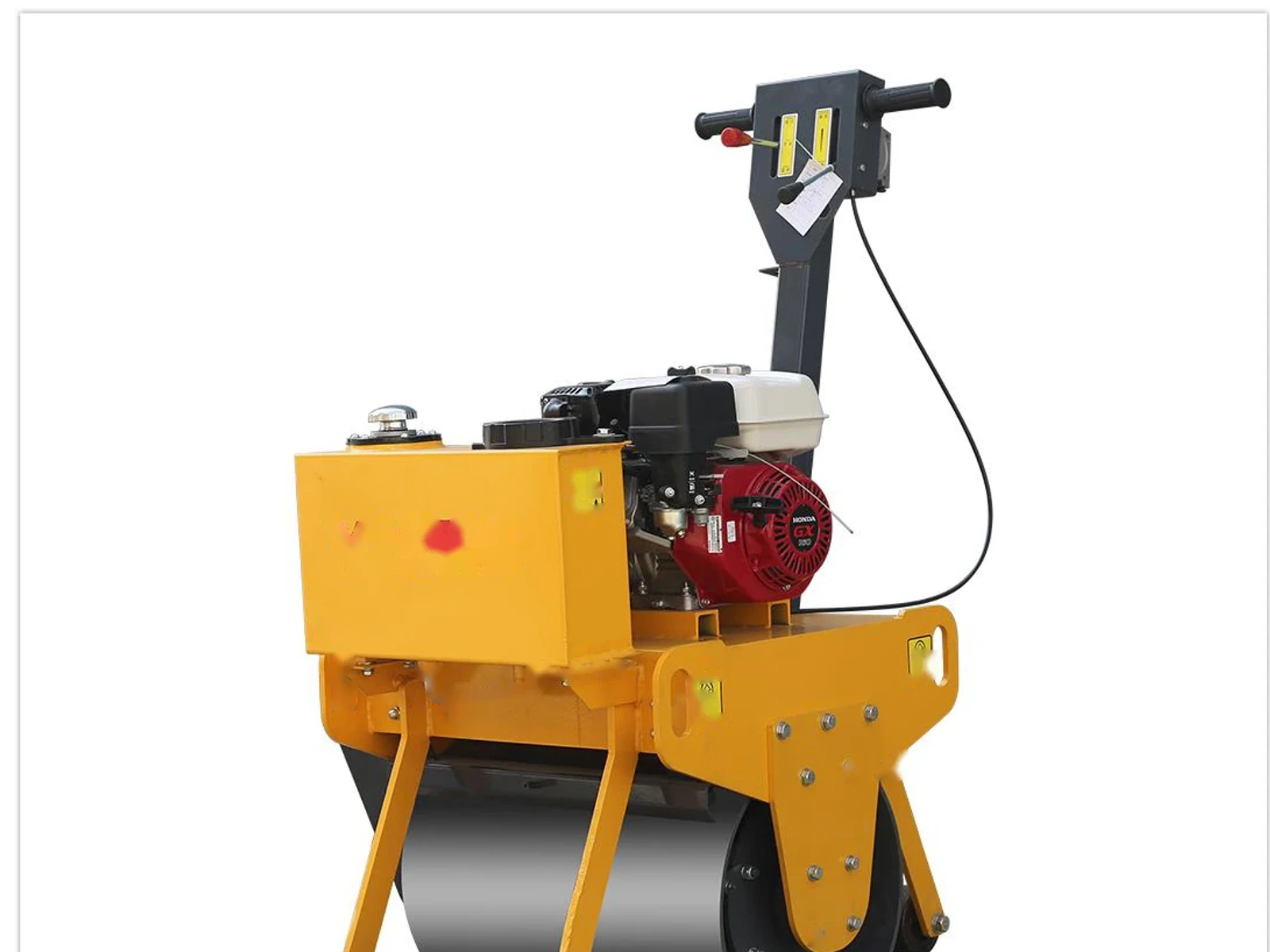 Walk-Behind Single-Drum Road Roller TC-YL600A
Walk-behind single-drum roller widely used to compact asphalt surfaces, gravel and sandy engineering foundations; high performance, easy operation, long service life.
View Product →
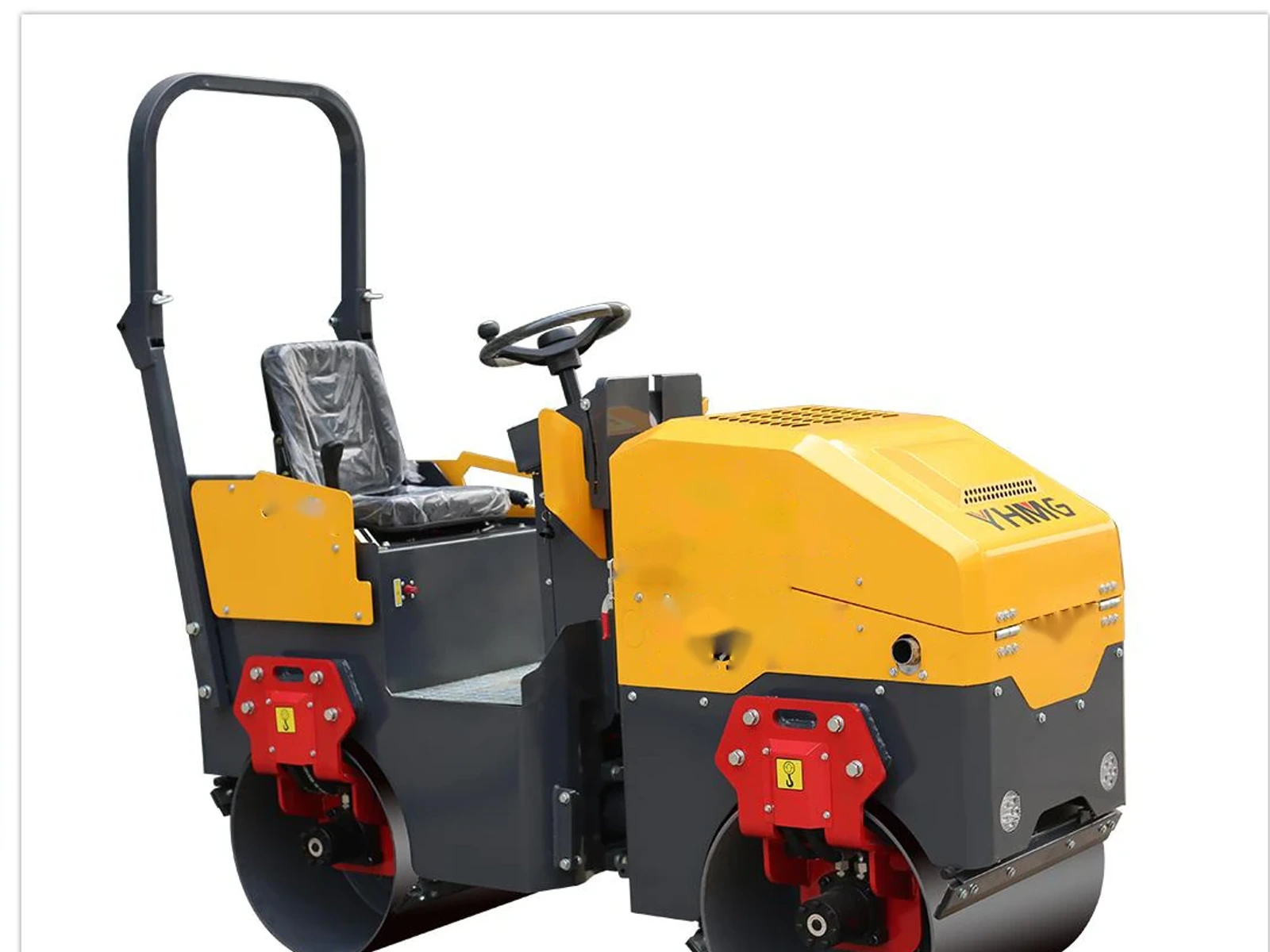 1-Ton Tandem Vibratory Road Roller TC-JSY700
1-ton fully hydraulic tandem vibratory roller, mainly used for vibratory compaction of water-stabilised base courses, lime soil, sand & gravel, asphalt pavement and pipe-trench backfill.
View Product →
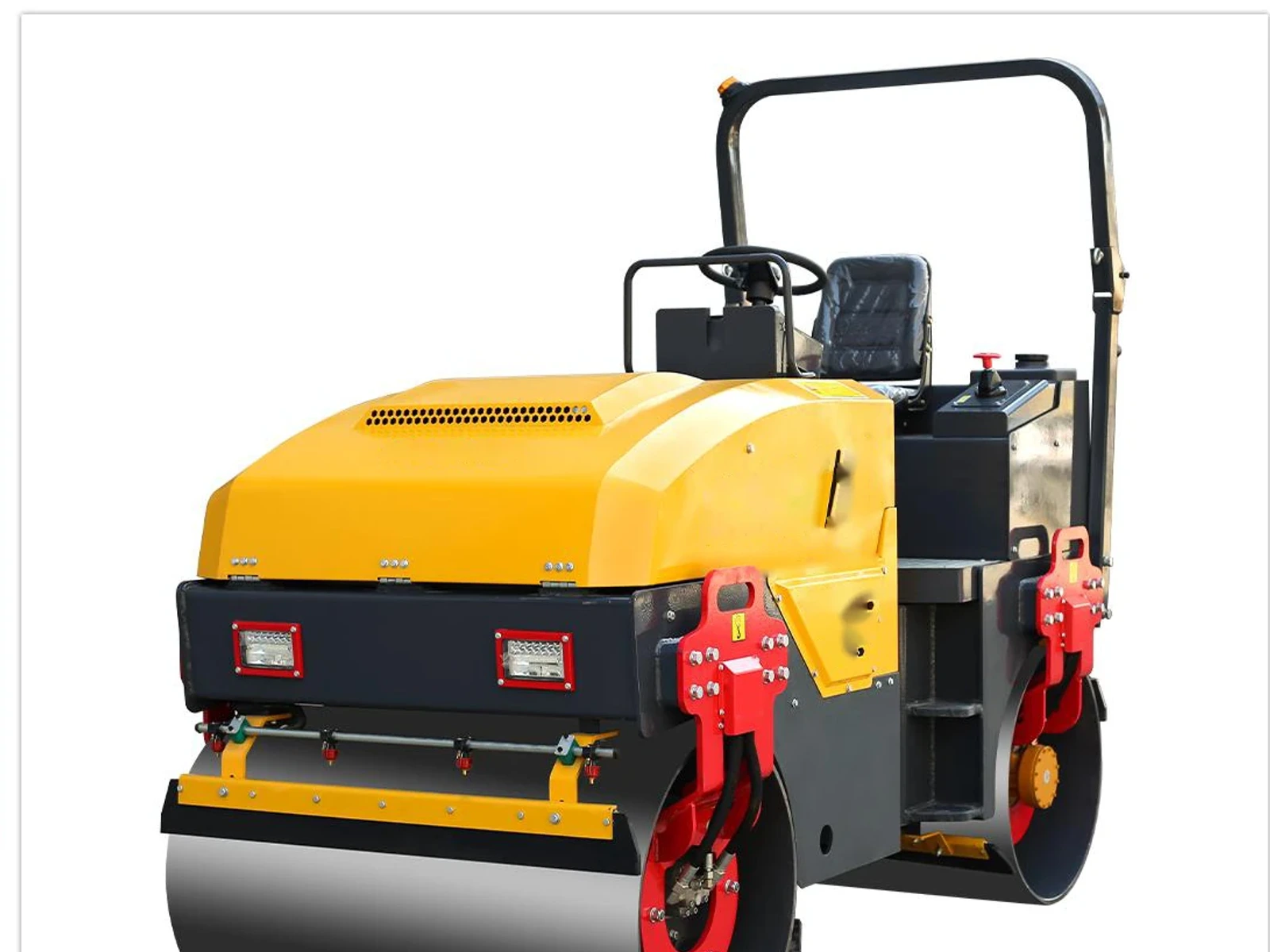 3-Ton Fully Hydraulic Tandem Road Roller TC-JS1200
3-ton fully hydraulic tandem vibratory roller; versatile, high-performing, easy to operate and durable.
View Product →