Products / Attachments / Buyer Support
Attachment Compatibility and Spare Parts
Buyers do not only ask what attachment is available. They ask whether it fits the carrier, whether the hydraulic package is right, and what spare parts should be planned with the first shipment. This page explains the attachment issues customers usually care about before the order is approved.
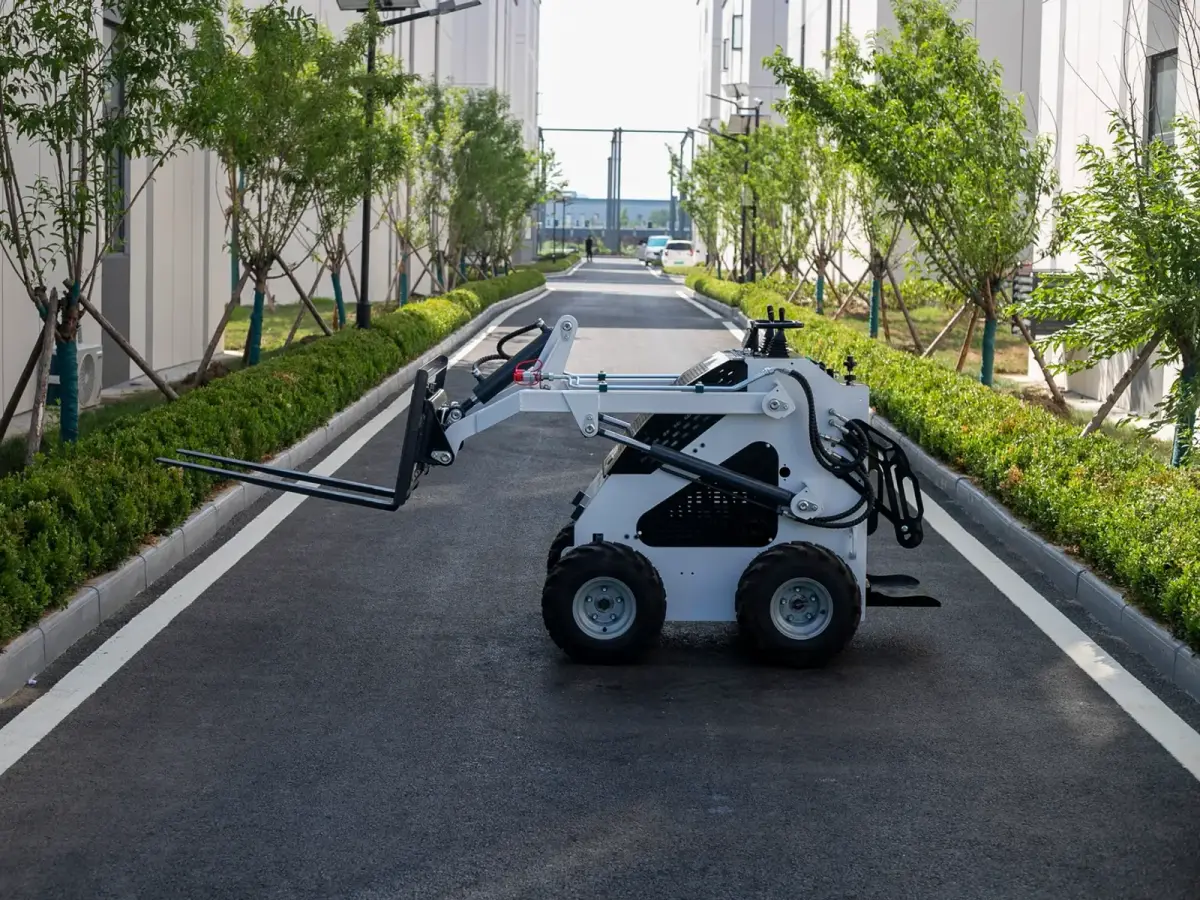
Buyer Concerns
The questions buyers want answered first
Attachment complaints rarely start with the tool itself. They usually start with an order that skipped one of the practical checks below.
Risk
Wrong Mount Plate
A good tool still becomes a dead arrival if the quick-attach plate does not match the carrier. Buyers need the carrier model and plate standard checked before shipment.
Risk
Wrong Hydraulic Package
Hydraulic flow and working pressure decide whether the attachment works properly. Breakers, trenchers, augers, mulchers, and brooms are usually where mismatch creates the fastest complaints.
Risk
No Spare Parts Plan
Wear parts, hoses, teeth, chains, blades, shear items, and seals should be discussed before the first container leaves. This is a planning issue, not an afterthought.
Approval Checklist
Five checks before the order is approved
01
Confirm the carrier and coupler
Send the skid steer or mini skid model, attachment plate standard, and whether the machine is already in the field or part of the same TerraCub quote.
02
Match hydraulic flow and pressure
Auxiliary flow, working pressure, and any case-drain requirement should be checked before approval. This is what separates a usable match from a stalled or overloaded tool.
03
Check width, weight, and job access
The attachment still has to fit the route, the carrier, and the transport method. Buyers usually care about the tightest gate, corridor, trench line, or paved edge, not the showroom floor.
04
Define the wear-parts pack
Bits, teeth, chains, belts, brushes, cutting edges, hoses, and service seals should be grouped into a first-order spares discussion while the commercial order is still open.
05
Bundle the attachment around the real task
A fence contractor may need the auger, trencher, and breaker together. A cleanup buyer may need broom, bucket, and forks. The job bundle usually matters more than one isolated attachment SKU.
Current Range
Examples from the TerraCub attachment line
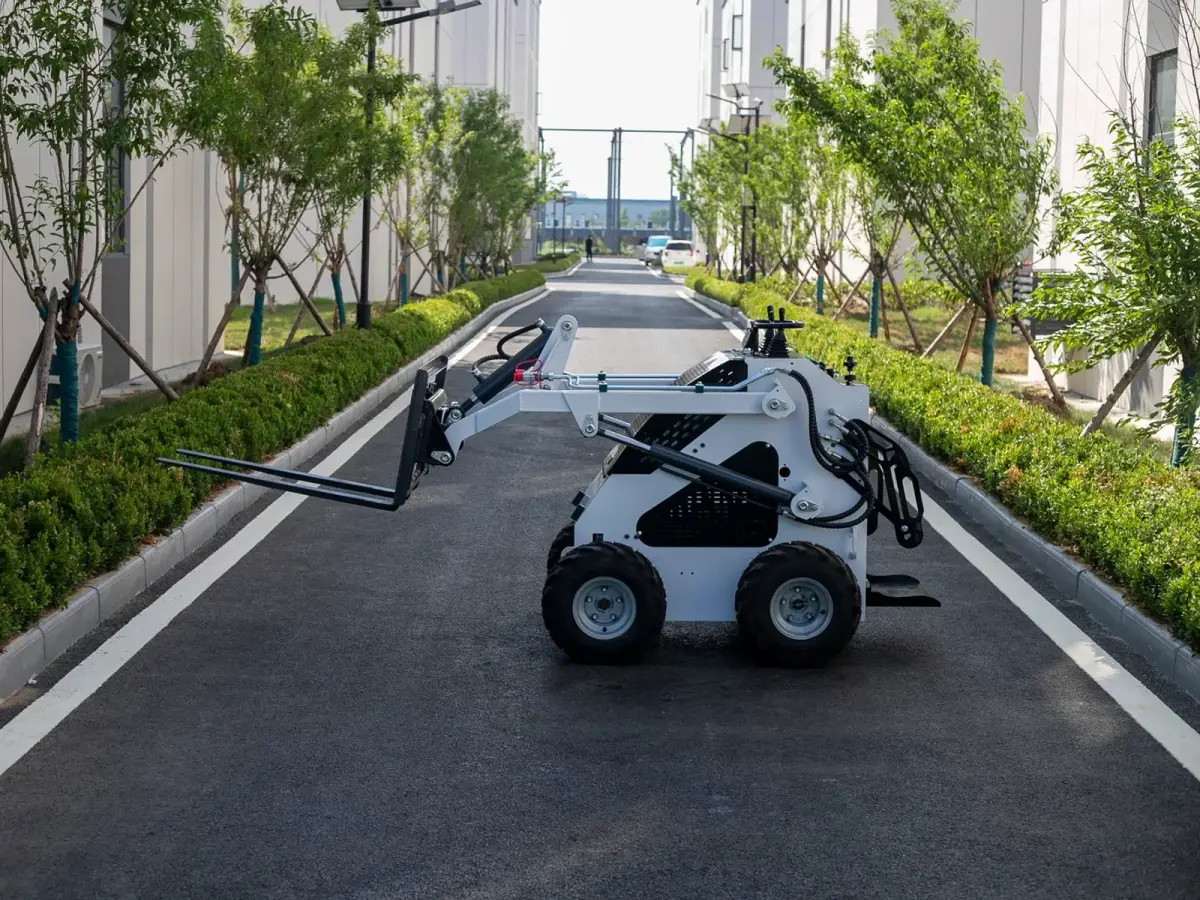
Different tools create different support questions. The examples below show how the compatibility discussion changes by workflow.
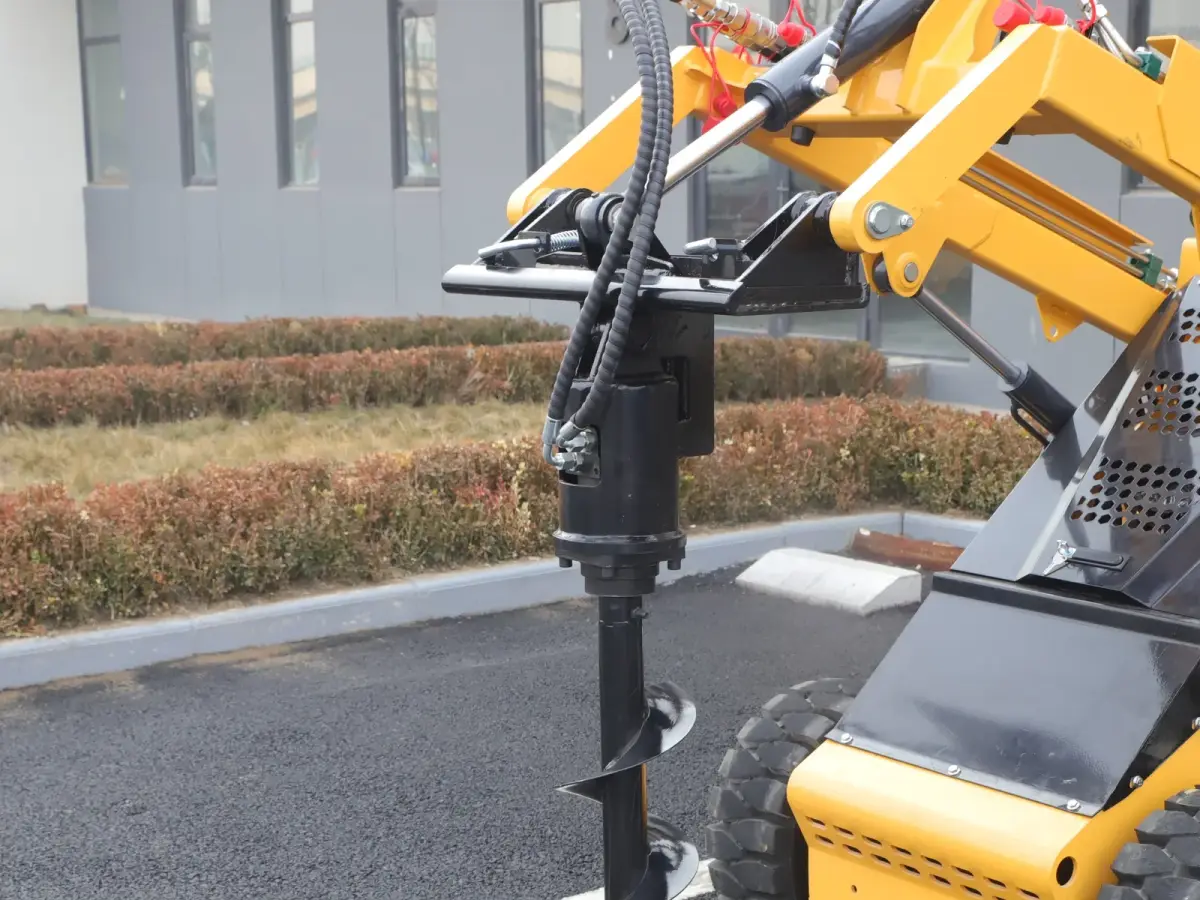
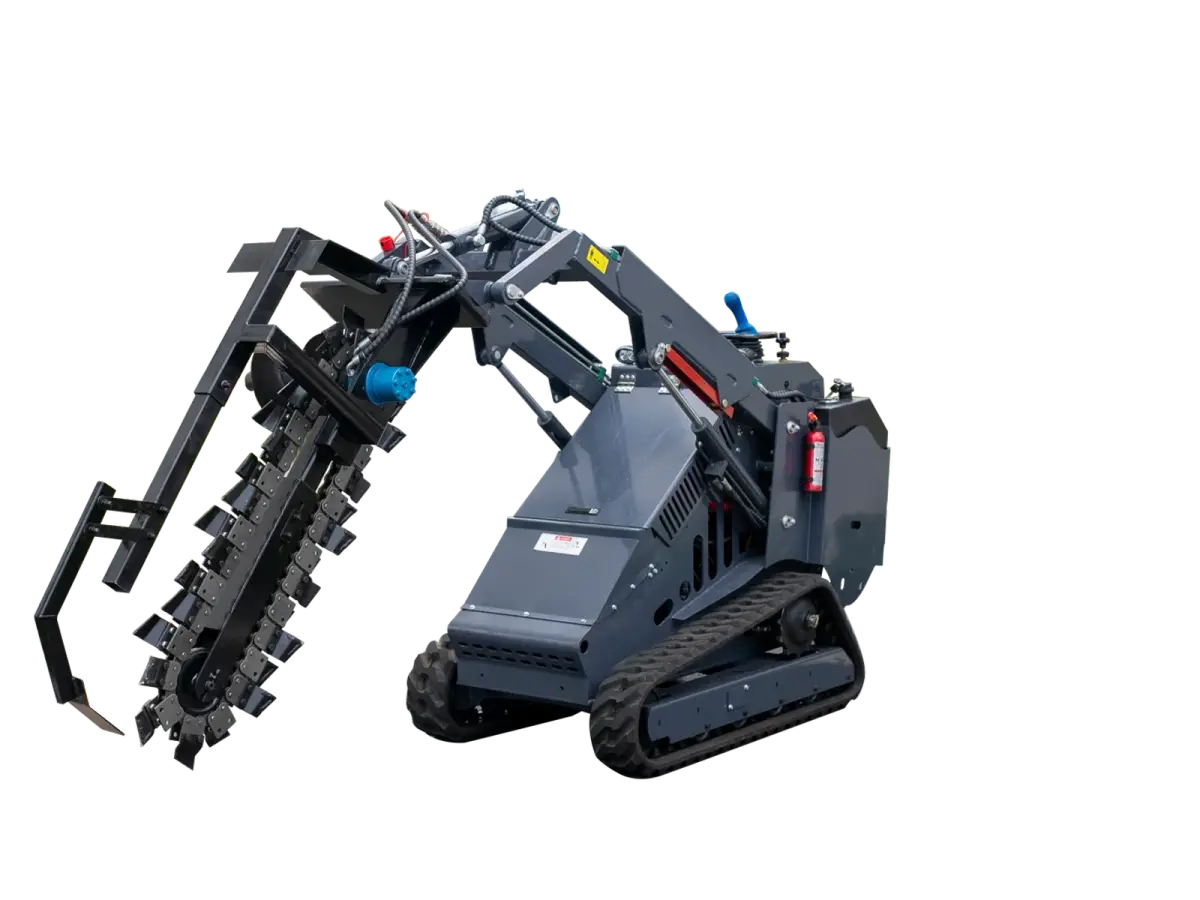
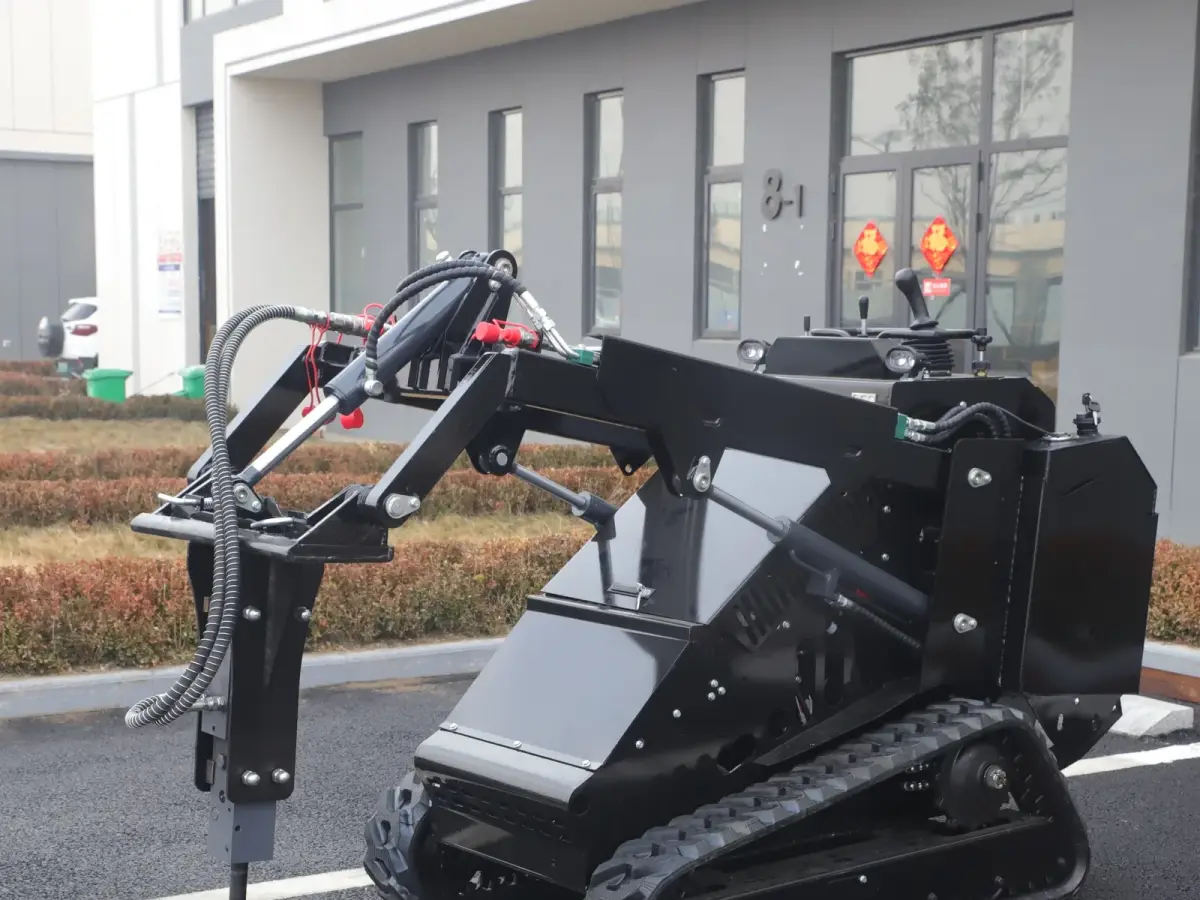
First Inquiry
What TerraCub needs before quoting attachments
- Carrier make and model
- Mount plate or quick-attach standard
- Auxiliary hydraulic flow and working pressure
- Main job type and material to be handled
- Whether the order is for direct use, dealer stock, rental, or OEM bundling
- Quantity, target market, and required timeline
Example
“We need a compact skid steer attachment package for fence work. Carrier is a mini skid with standard plate, auxiliary flow and pressure available on request, and we need an auger plus trencher for dealer stock in Australia. Please include the first-order spare parts list and lead time.”
FAQ
Attachment questions customers keep asking
Why do buyers ask about attachments before finalising the loader model?
Because the attachment list can change the carrier recommendation. Hydraulic flow, pressure, lift capacity, and even machine size often move once the actual tools are known.
Which attachment details cause the most order mistakes?
The most common issues are mount-plate mismatch, wrong auxiliary flow, skipped wear-parts planning, and quoting the tool without checking the real working width or duty cycle.
Can TerraCub quote the loader and the attachments together?
Yes. That is usually the cleaner route because the carrier, hydraulic package, and attachment set can be matched in one commercial conversation instead of corrected after the base machine is fixed.
What spare parts should usually be discussed with the first shipment?
That depends on the tool, but buyers usually start with wear items, hoses, seals, cutters, chains, teeth, belts, shear parts, and any consumables that can stop the machine on site.
Does every attachment need hydraulic flow information?
No, but most powered tools do. Forks and some passive tools mainly need mount and load checks. Augers, trenchers, breakers, brooms, mulchers, and mixer tools need hydraulic matching.
What should a buyer send in the first attachment inquiry?
Send the carrier model, mount style, hydraulic figures, the main jobs to be done, quantity, and timeline. That gives TerraCub enough information to narrow the right attachment path quickly.
Next Step
Start the attachment discussion with the right data
Send the carrier model, attachment target, hydraulic figures, and quantity. TerraCub can then narrow the correct tool path, spare parts scope, and quote direction faster.