Single Drum vs Double Drum Road Roller: Choose by Soil, Asphalt, Finish and Job Size
Start with the material and the required finished surface. A single-drum soil compactor is normally the first family to review for soil and aggregate layers; a tandem double-drum roller is normally the first family to review for asphalt and smooth finish work.

Direct answer: choose a single drum first for soil, aggregate base and broad subgrade work; choose a double drum first for asphalt, patching and a smooth steel finish. Then verify drum surface, operating weight, width, vibration, water system, speed, layer condition and the project's density or stiffness requirement. Never buy from the words “single” or “double” alone.
The useful single drum vs double drum roller decision is not “which machine compacts more?” It is “which layout applies the right kind of effort to this material and leaves the surface this job requires?” That question eliminates unsuitable families before price and model details enter the conversation.
Manufacturers commonly separate tandem rollers from single-drum soil compactors. Wacker Neuson's current roller range, for example, presents tandem rollers alongside a distinct group of single-drum soil compactors. The boundary is useful, but it is not a project specification: machine configuration and field acceptance still govern.
Single drum vs double drum roller comparison
| Decision point | Single drum starting point | Double drum starting point | Confirm before buying |
|---|---|---|---|
| Typical material | Soil, aggregate base, fill and subgrade | Asphalt, paved surfaces and finish rolling | Material type, gradation, moisture or temperature |
| Contact system | One steel drum plus rear tires | Front and rear steel drums | Smooth or padfoot drum, drive and vibration arrangement |
| Primary selection goal | Depth of influence and traction on unbound material | Uniform coverage and smooth steel finish | Layer thickness, target density/stiffness and finish requirement |
| Common small-site use | Yards, road base, backfill and prepared fill | Asphalt patches, paths, parking areas and small paving work | Working width, edge clearance and turning space |
| Key system check | Drum type, amplitude/frequency, tire traction and slope | Water spray, drum offset, vibration, speed and temperature window | Project specification and a trial/roller pattern |
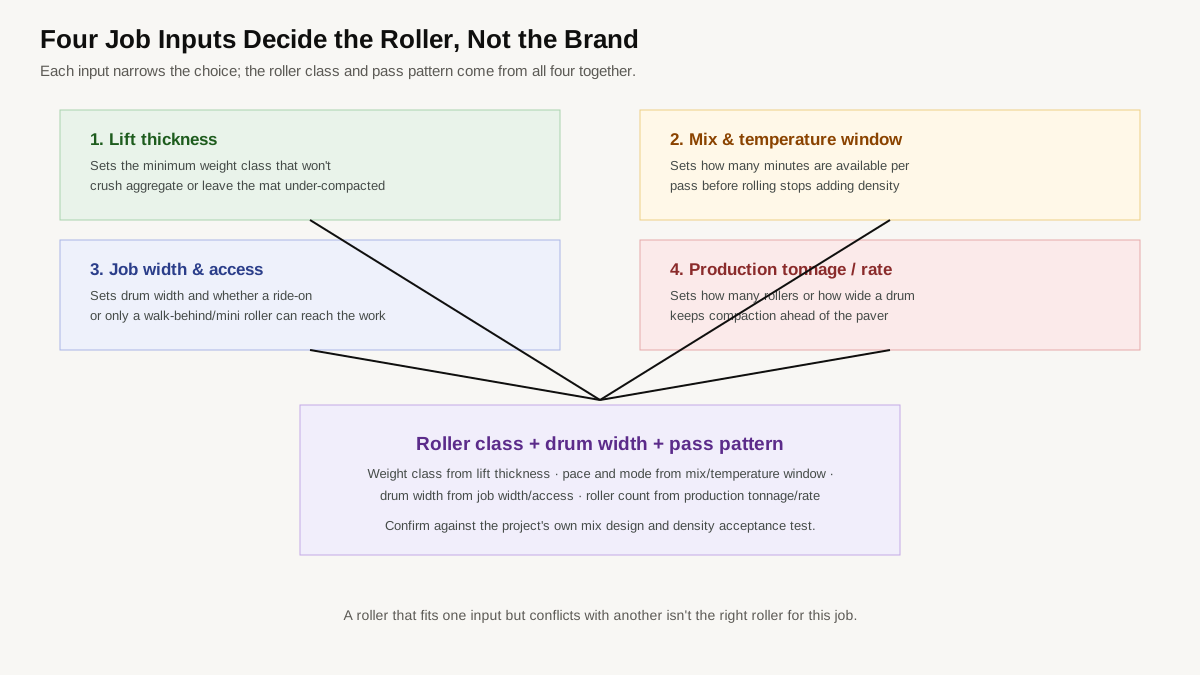
Reject the shortcut: “soil = any single drum” and “asphalt = any double drum” are not specifications. A smooth single drum and a padfoot machine interact differently with soil; a tandem roller without the required water, vibration or operating envelope may still be wrong for asphalt.
Choose single drum first for soil and aggregate layers
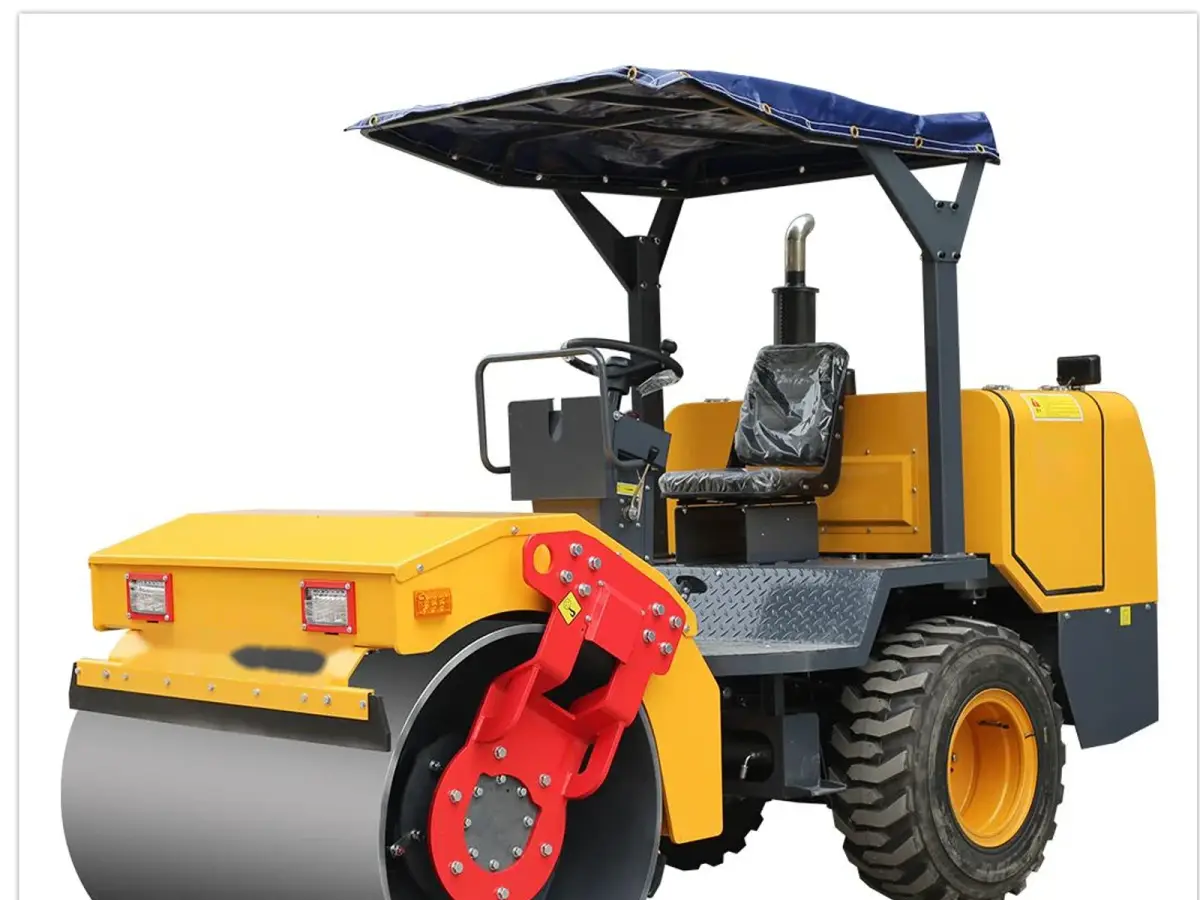
A single-drum vibratory roller places a steel drum at the front and tires at the rear. The layout gives traction while the drum applies static and vibratory effort. It is a logical first family for granular base, prepared fill, subgrade and other unbound materials where the job is to build a stable layer rather than leave a finished asphalt mat.
Next choose the drum surface. A smooth drum is usually the first question for granular materials; cohesive soils may lead the project engineer or supplier toward a padfoot or another compaction system. Do not infer the answer from appearance. Record soil type, moisture condition, lift thickness and the required test method.
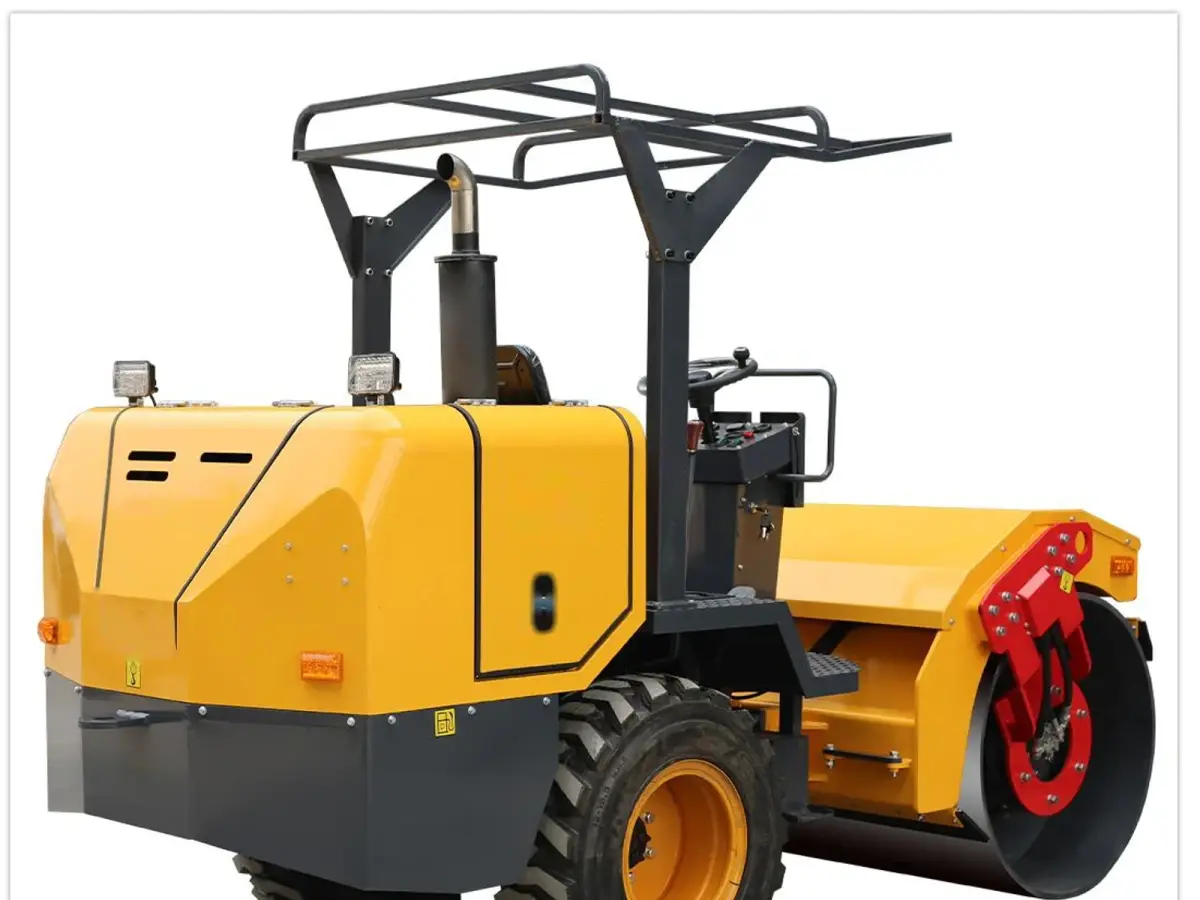
TerraCub's TC-JS3500 single-drum roller is a real configuration example, not a universal soil recommendation. Compare its confirmed operating weight, drum width, exciting force and gradeability with the project's material and access envelope.
Choose double drum first for asphalt and smooth finish work
A tandem double-drum roller places a steel drum at both ends, producing overlapping steel contact and a compact footprint. This is the normal first format to review for asphalt patches, paths, parking work and other jobs where coverage and surface finish matter.
Asphalt adds a time and temperature problem. The roller must work inside the mix's compaction window, follow the approved roller pattern and avoid pickup or marking. The Federal Highway Administration's intelligent-compaction overview describes double-drum asphalt rollers that track pass coverage and mat temperature. That monitoring supports the process; it does not create one universal setting.
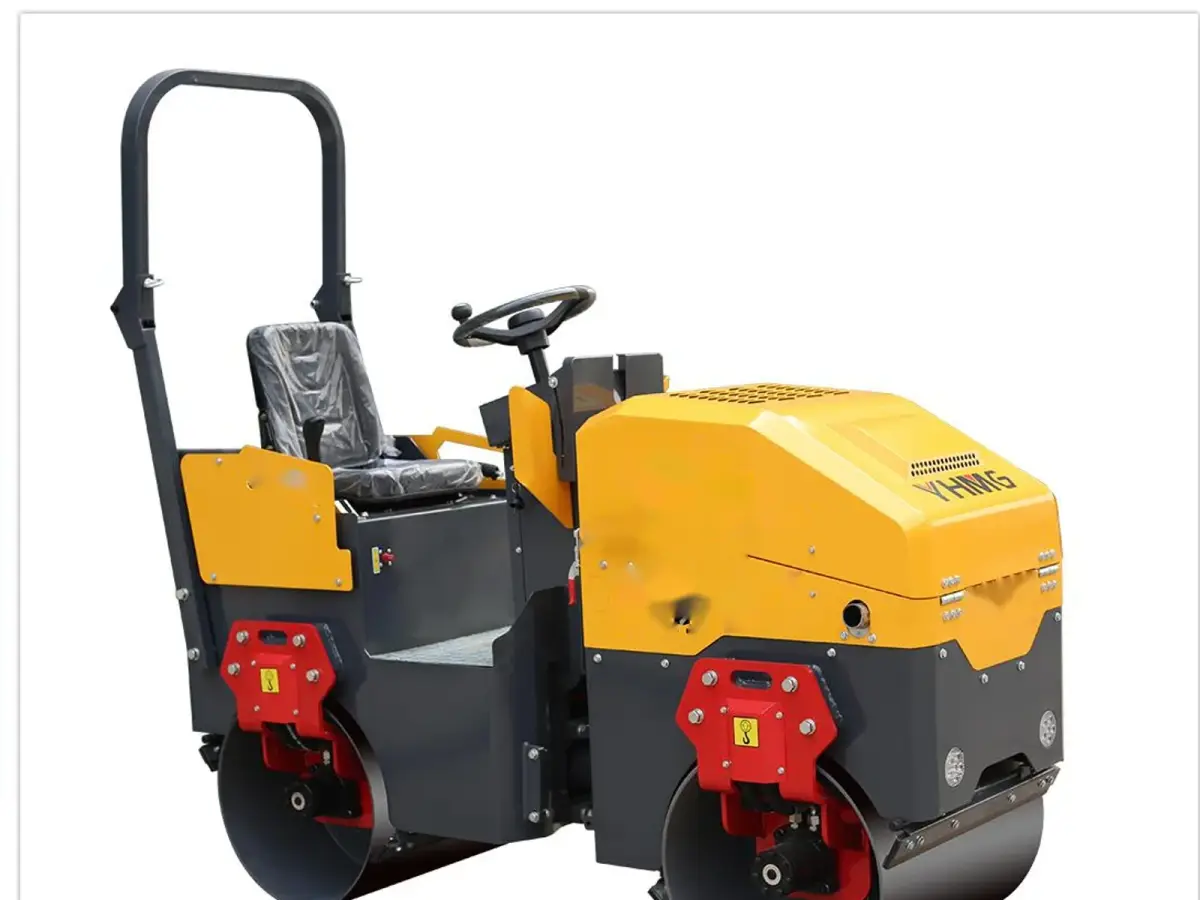
For a compact example, review the TC-JSY700 tandem vibratory roller. The local product record confirms a 700 mm front/rear drum width, dual-drum hydraulic drive, vibration and a pressurized water-spray system. Those are comparable facts; the required field density still comes from the job.
There is no universal number of roller passes
Pass count is an output of material, machine and field conditions. FHWA notes that intelligent-compaction measurements are affected by machine weight and size, speed, amplitude, frequency, soil moisture and type, asphalt temperature and underlying support. Its recycled-asphalt guidance likewise lists mix properties, lift thickness, roller type/weight and environmental conditions among the factors that change the passes required.
Build a roller pattern or test strip under the project's specification. Record the incoming condition, machine settings, pass count, speed, temperature or moisture and the independent acceptance result. Stop adding passes simply because a generic article says “six” or “eight”; excess effort can waste time or damage the surface without proving compliance.
| Variable | What to record | Why it changes the result |
|---|---|---|
| Material | Soil type/gradation or asphalt mix | Particle structure and binder response differ |
| Layer | Loose and target compacted thickness | A thicker lift changes required energy and uniformity |
| Condition | Moisture, temperature, weather and support | The compactable window and measured response move |
| Machine | Operating mass, drum, amplitude, frequency and speed | Compactive effort and coverage are not interchangeable |
| Acceptance | Density, stiffness, proof-roll or project method | The job must pass its specified result, not a pass-count target |
Field release gate: keep the roller pattern, machine configuration, settings, material condition and independent acceptance result in one record. Retest when the material, lift, moisture or temperature window, machine configuration or required finish changes. A pass count copied from another job is not approval evidence.
Match operating weight, width and access to the job
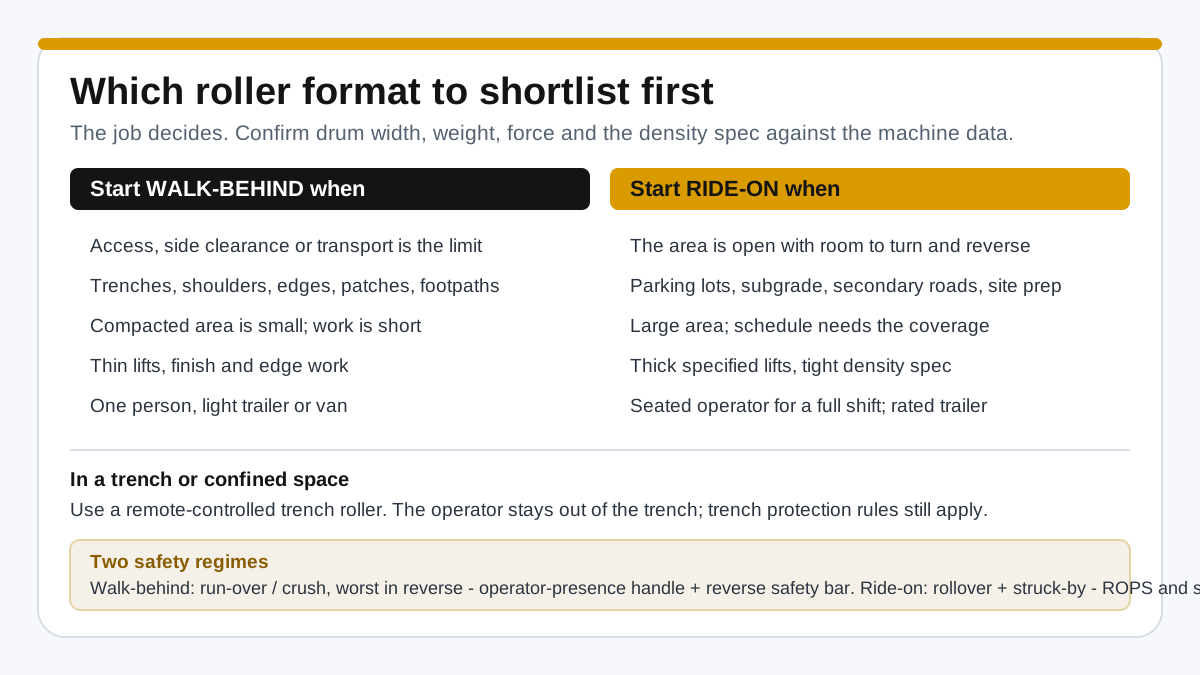
After choosing a format, size the machine around the actual work area. Record the narrowest route, compacted strip width, edge and curb clearance, turn space, slope, overhead limit and transport constraints. A wider, heavier roller may improve production on an open site but become unusable around utility covers, walls, trenches or tight patchwork.
Compare the configured operating weight rather than a model nickname. Confirm whether the quoted unit includes the canopy or ROPS, water, optional engine, scraper system and other equipment. Then calculate the packed dimensions and gross weight for the destination; those logistics numbers are separate from operating weight.
Send a roller quote data pack, not only a tonnage request
- Material: soil/aggregate type or asphalt mix and the current condition.
- Layer: loose thickness, target compacted thickness and total area.
- Acceptance: density, stiffness, finish or project test method.
- Geometry: minimum working width, edge clearance, turns, slope and obstacles.
- Production: area per shift, paving speed or daily tonnage.
- Controls: vibration requirement, water system, lighting and monitoring needs.
- Logistics: destination, transport limits, packing method and documentation.
Use the same data pack for every supplier. Compare the confirmed configuration, options, exclusions and evidence line by line. If the supplier cannot identify which assumption changed the recommendation, the quote is not yet comparable.
Match a roller family to the actual material
Send TerraCub the material, layer, acceptance method, working width, slope, daily area, destination and packing limits. We can compare current single-drum and tandem families against those inputs.
Request a road roller configurationFAQs
Is a single drum or double drum roller better?
Neither is universally better. Start single drum for soil/aggregate work and double drum for asphalt/finish work, then verify the exact configuration.
Can a double drum roller compact soil?
Some tandem rollers work on granular bases and small mixed jobs. Material, layer, moisture, machine mass and the specification still control acceptance.
Can a single drum roller compact asphalt?
Do not assume it can. Asphalt normally starts with an asphalt-oriented tandem or combination roller that matches the mix, water system, temperature window and finish requirement.
How many passes does a roller need?
There is no universal number. Establish and verify a roller pattern using the actual material, layer, machine, condition and project test.
What belongs in a road roller RFQ?
Include material, layer, area, width, slope, moisture or temperature, finish, acceptance, daily production, destination and packing constraints.
Sources and further reading
- Wacker Neuson: roller families for soil and asphalt compaction
- FHWA: intelligent-compaction factors and measurements
- FHWA: intelligent compaction for asphalt materials
- FHWA: variables affecting roller passes in recycled asphalt
Related pages
Recommended Products
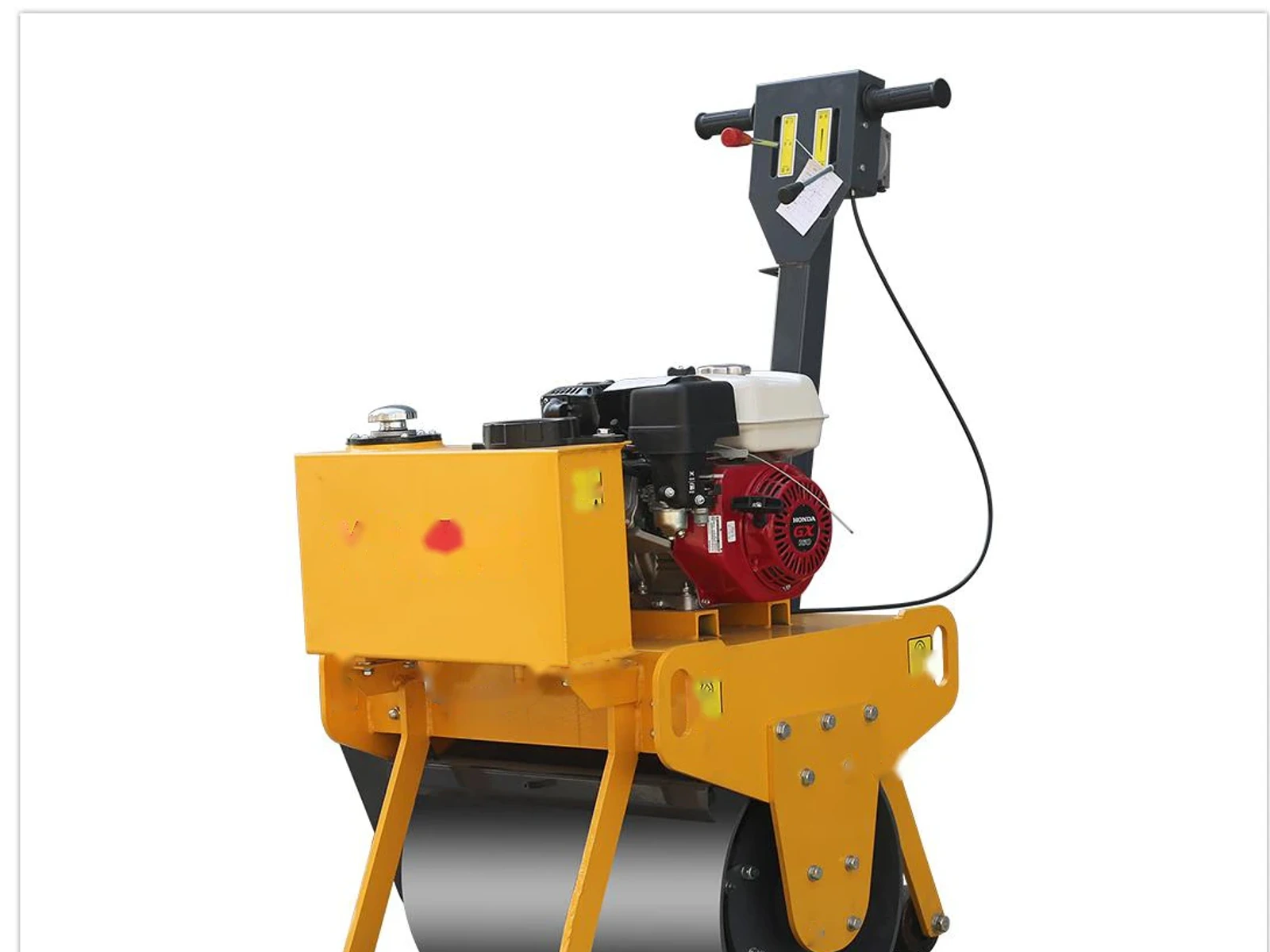 Walk-Behind Single-Drum Road Roller TC-YL600A
Walk-behind single-drum roller widely used to compact asphalt surfaces, gravel and sandy engineering foundations; high performance, easy operation, long service life.
View Product →
Walk-Behind Single-Drum Road Roller TC-YL600A
Walk-behind single-drum roller widely used to compact asphalt surfaces, gravel and sandy engineering foundations; high performance, easy operation, long service life.
View Product →
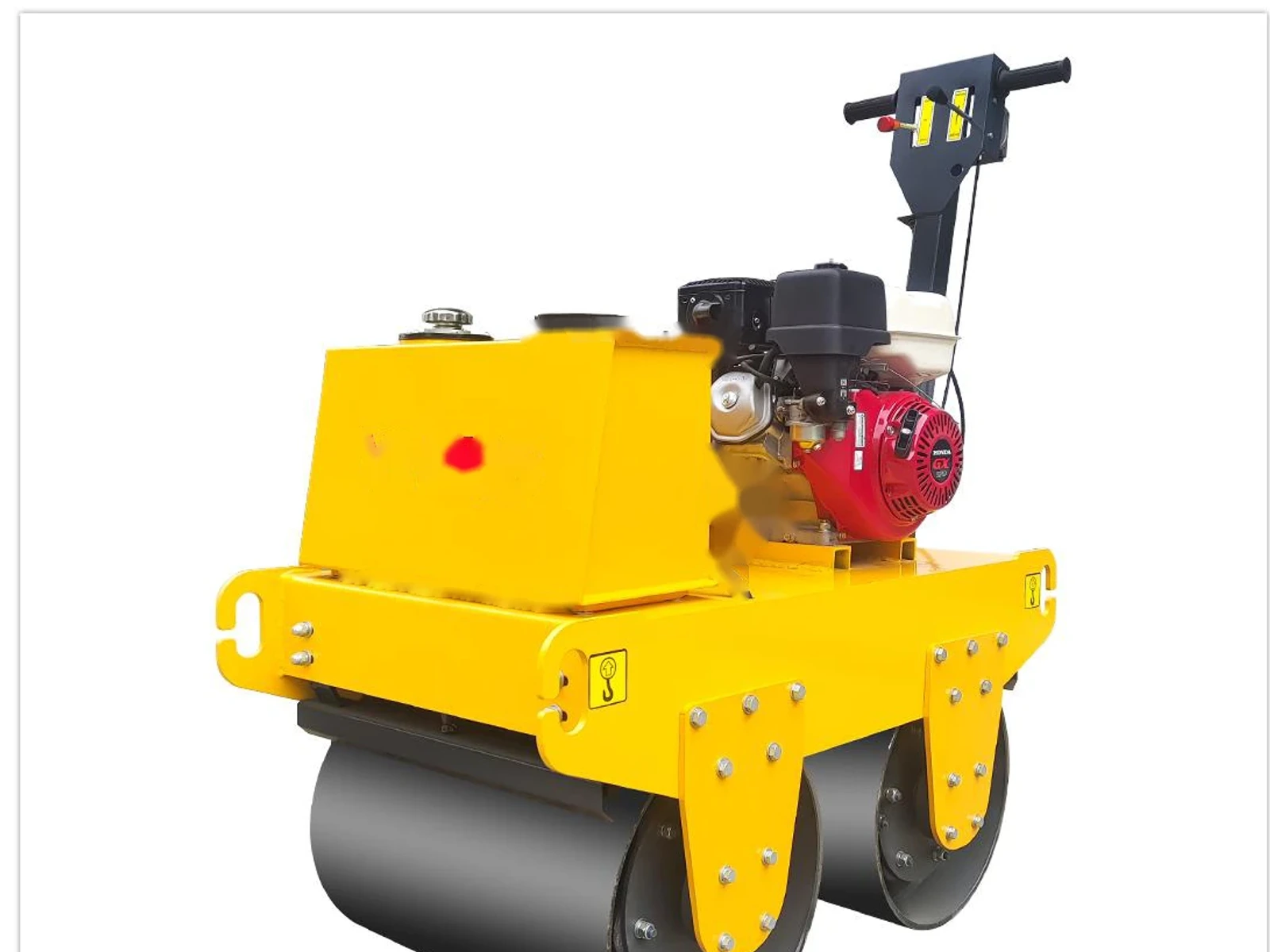 Walk-Behind Double-Drum Road Roller (Gasoline) TC-YLS600A
Genuine Honda gasoline engine, brand-guaranteed quality — excellent performance, easy starting.
View Product →
Walk-Behind Double-Drum Road Roller (Gasoline) TC-YLS600A
Genuine Honda gasoline engine, brand-guaranteed quality — excellent performance, easy starting.
View Product →
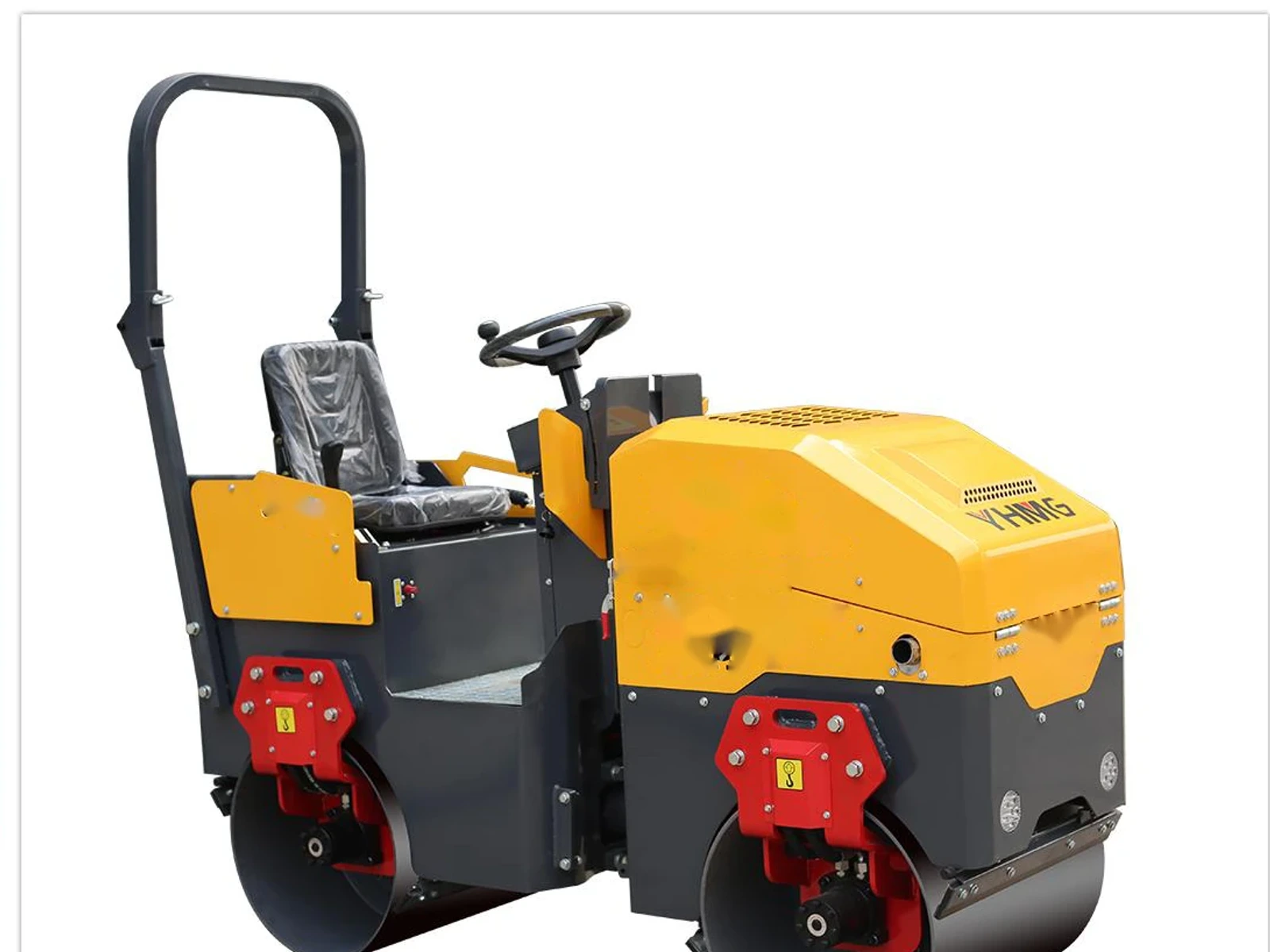 1-Ton Tandem Vibratory Road Roller TC-JSY700
1-ton fully hydraulic tandem vibratory roller, mainly used for vibratory compaction of water-stabilised base courses, lime soil, sand & gravel, asphalt pavement and pipe-trench backfill.
View Product →
1-Ton Tandem Vibratory Road Roller TC-JSY700
1-ton fully hydraulic tandem vibratory roller, mainly used for vibratory compaction of water-stabilised base courses, lime soil, sand & gravel, asphalt pavement and pipe-trench backfill.
View Product →