How to Start a Skid Steer Business in 2026: Costs, Pricing, and Your First Machine
How to start a skid steer business in 2026: real startup costs, flat-rate pricing, and how to pick your first machine without overspending on day one.

TerraCub Engineering Team
Compact equipment buyer guides for dealers and contractors
Quick answer: starting a skid steer business in 2026 usually means a machine sized for the work you can win, one revenue-producing attachment, a practical material-hauling plan, and a pricing method that covers every job cost. Flat-rate bids can suit clearly scoped work; hourly billing can suit open-ended work. Build the setup around your local demand and verified operating costs.
Nobody puts "skid steer operator" on a list of exciting careers. That's fine. Excitement doesn't pay the loan on the machine. Starting a skid steer business in 2026 can be a practical route into a one- or two-person equipment company because a compact setup may cost less to enter than a concrete pump truck or dump-truck fleet. Whether it works depends on local demand, safe operations, disciplined bidding, and the work you can consistently win.
This guide is written for the person buying their first machine, not the fleet owner adding a fifth unit. We'll cover what it actually costs, how to price the work so you keep the money, which machine to buy first, and the mistakes that quietly kill new owner-operators before their first slow month even shows up.
What a skid steer business actually is
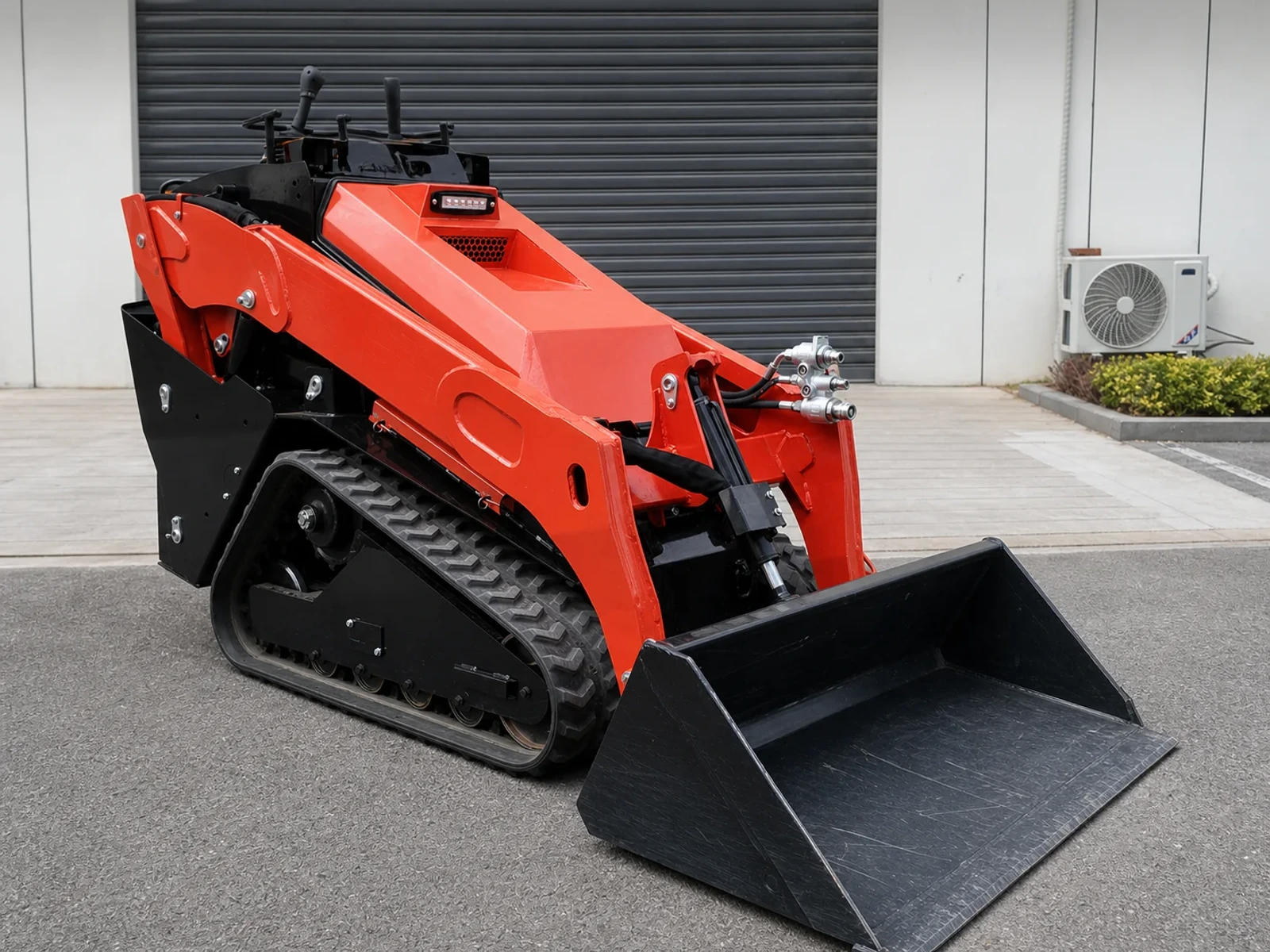
A skid steer business is a one- or few-machine operation that rents out operator time on a compact loader — usually for demolition, excavation support, grading, land clearing, hauling, or attachment-based work like augering, trenching, or forestry mulching. It's a service business built around one asset that can be reconfigured in minutes with a different attachment, which is exactly why it scales down to a single operator so well.
The U.S. Bureau of Labor Statistics publishes wage and outlook data for construction equipment operators. Running a business is different from earning a wage: revenue must cover labor, finance payments, fuel, insurance, maintenance, attachments, haulage, taxes, and downtime before the owner can draw income. Use local cost data and actual booked work to judge whether ownership makes sense.
Reality check: a skid steer business is not passive income. You are the labor, the sales team, and the maintenance department, at least until the business is big enough to hire someone else to be those things.
What it costs to start in 2026
The number that keeps this business accessible is the machine, not the paperwork. A new full-size skid steer with a breaker package can run well past six figures. A workable used setup does not need to.
| Item | Typical range | Notes |
|---|---|---|
| Used mid-size skid steer or compact track loader | Low-to-mid five figures | Pre-emissions-tier used units are typically cheapest to buy and simplest to service; a new TerraCub compact loader is a lower-cost alternative to a used full-size machine — see current models for rated load and pricing |
| Hydraulic breaker attachment | Low-to-mid five figures | Field estimate; sized to match the carrier's hydraulic flow, not just the price tag |
| Used dump trailer | Mid four figures to low five figures | Field estimate; a 14,000 lb GVW trailer covers most residential and light commercial loads |
| Tow vehicle (diesel pickup) | Varies widely — new or used | Most owner-operators already have or lease a suitable truck |
| Hauling a full dump truck instead | Adds DOT registration, insurance, and maintenance costs | Optional — many owners skip this entirely in year one (see below) |
Ranges above are field estimates for used-equipment markets and will vary by region and machine hours; treat them as planning figures, not quotes.
The U.S. Small Business Administration's guidance on calculating startup costs applies directly here: separate one-time equipment spend from ongoing costs like fuel, insurance, and attachment wear, and budget for at least a few slow weeks before the invoices start clearing. Skid steer businesses are unusually equipment-heavy relative to their overhead, which is a nice way of saying: spend on the machine, not on a logo package and a wrapped truck, in year one.
Choose Flat-Rate Or Hourly Pricing To Match The Scope
A flat-rate bid can reward efficiency on a well-scoped job. Hourly billing can protect you where access, buried material, disposal volume, or customer changes make the scope uncertain. The right model is the one that lets you recover every cost and explain the price clearly.
Picture a residential patio demolition: an 8-inch reinforced slab, decent access, and roughly two to three hours of work. Before quoting, confirm the material volume, disposal route, utility markings, access, attachment wear, and haulage cost. A fixed price may work when those items are known; an hourly rate plus documented pass-through costs may be safer when they are not. The clock never changes, but the job risk can.
For a fixed-price quote, state what is included and what changes the price: a locked gate, buried utilities, unexpected material, or no yard access. For an hourly job, state the minimum, what counts as billable time, and how disposal or subcontracted haulage will be handled. Clear written scope protects both the customer and the operator.
Services To Evaluate In Your Local Market
Demolition and site clearing
Patios, driveways, sheds, small structures, and yard clearing. This is usually the highest-margin entry point because it's priced by outcome and the access problems are visible before you bid, not after.
Grading and material hauling
Leveling, backfilling, and moving spoil off-site. Pairs naturally with demolition — clear it, then grade it, then haul it, all one invoice.
Trenching, augering, and forestry mulching
Attachment-driven work that widens what a single machine can bill for without buying a second machine. Each attachment should earn its keep on its own; buying five attachments before booking five jobs that need them is how cash gets tied up in a shed.
Follow-on concrete and hardscape work
Once a customer trusts you to demo their patio cleanly, "do you also pour it back?" comes up more than you'd expect. A skid steer business is frequently the gateway to a second, higher-margin service line — pumping, pouring, or hardscape installation — once the relationship exists.
Choosing your first machine
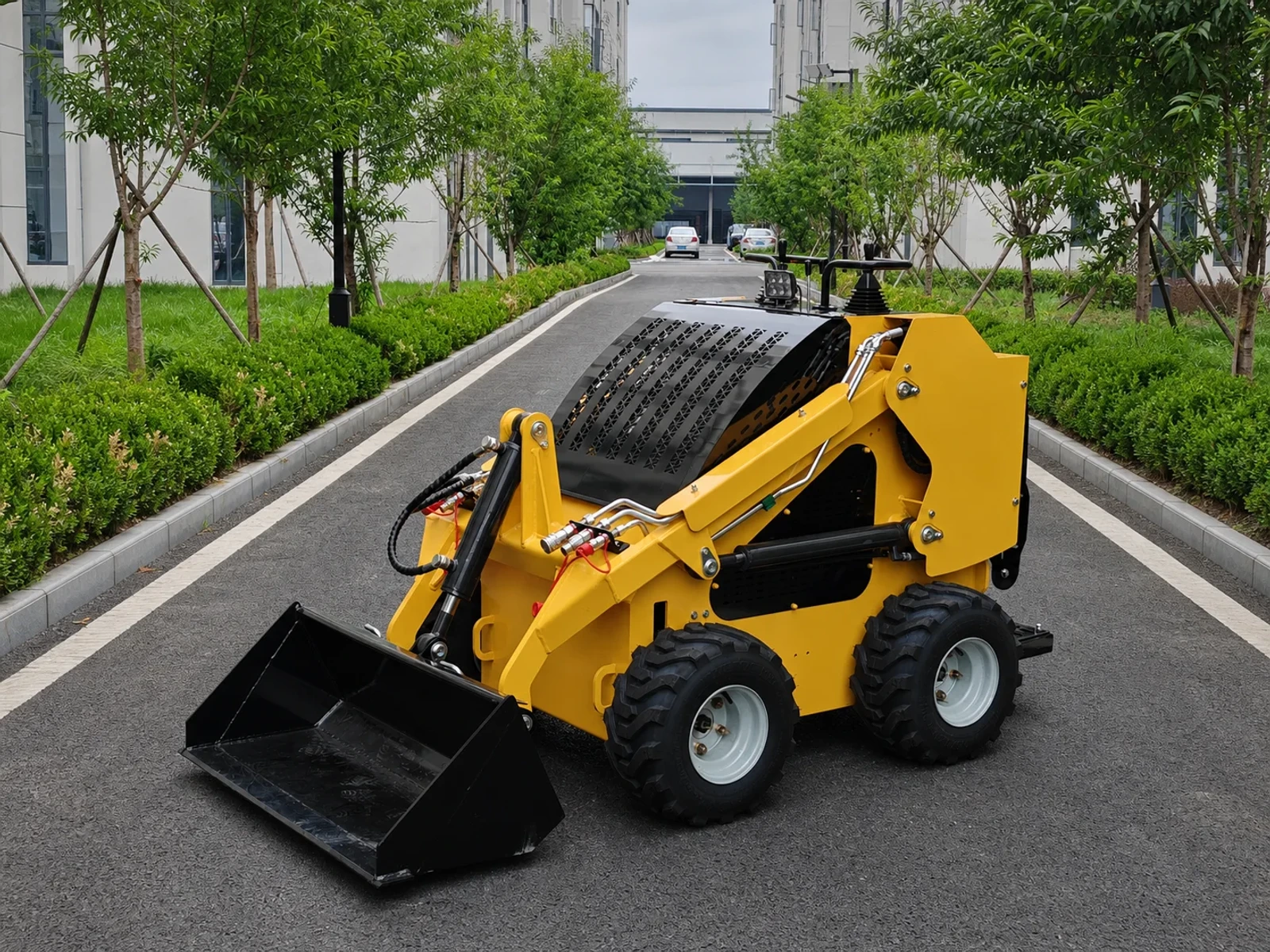
New owner-operators tend to overbuy attachments and underthink the base machine. Work through these questions before the first purchase:
- What's the narrowest gate or access point you'll routinely meet? Residential backyard work usually rules out full-size units before anything else does.
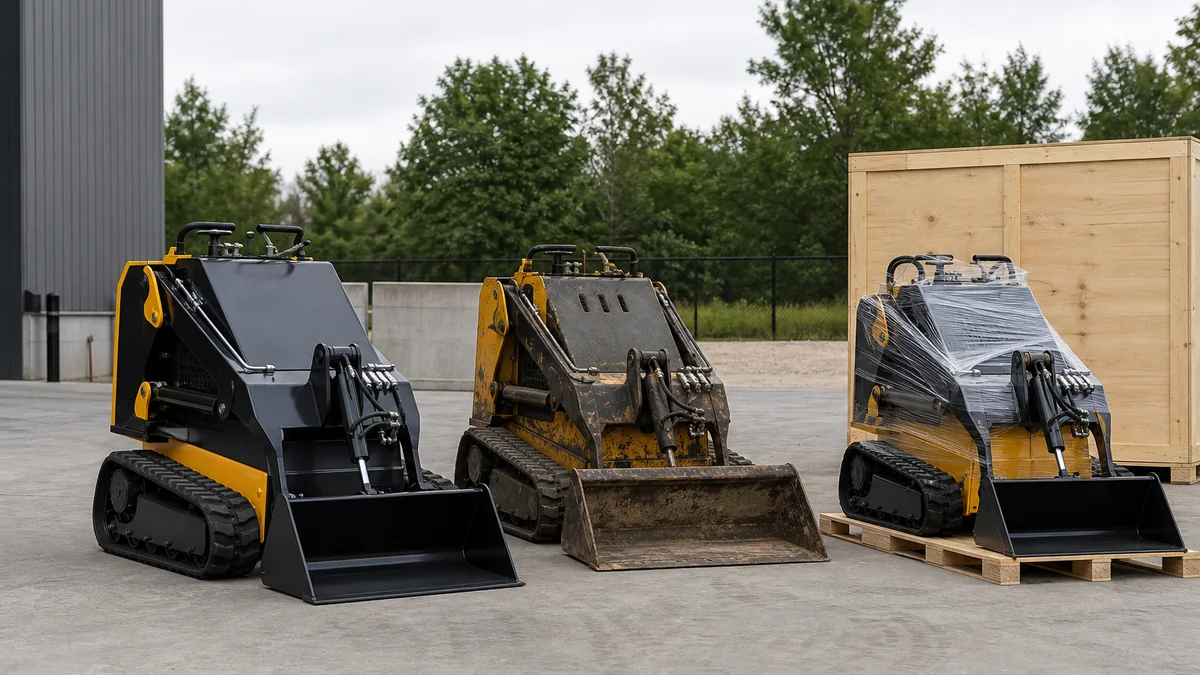
- Hard ground or soft ground? Wheeled units are cheaper, faster, and simpler to service on paved and firm-ground jobs. Tracks cost more but earn it back on soft, sloped, or mixed terrain where a wheeled machine just spins and digs in.
- What's the one attachment that pays for itself fastest? For demolition-focused startups, that's usually a hydraulic breaker sized to the carrier's flow rate — not the biggest breaker the machine can physically lift.
- Does the machine have a rollover cage? Non-negotiable for demolition and breaker work. Stand-on mini loaders without a cage are built for light landscaping duty, not for breaking concrete against a wall.
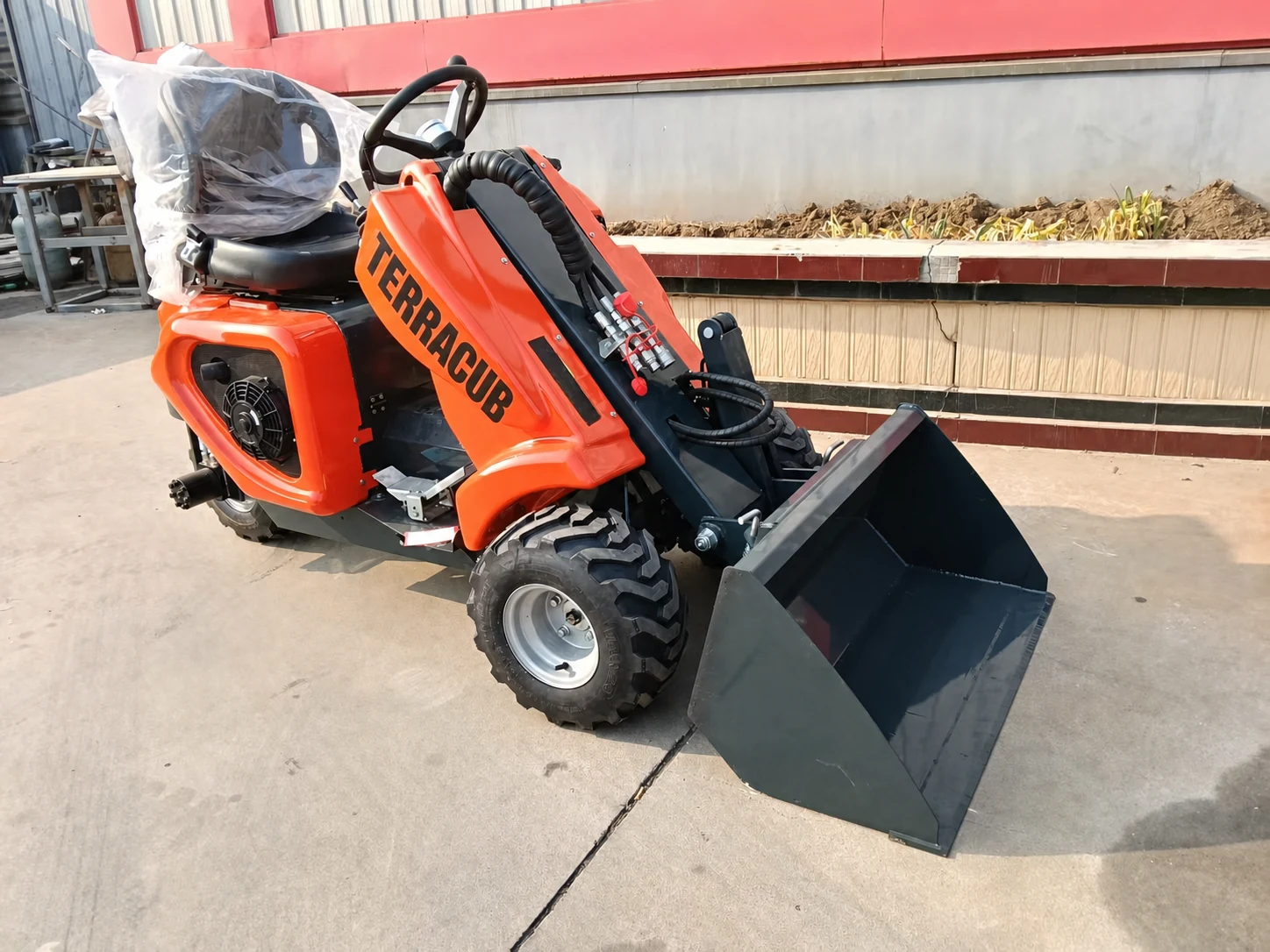
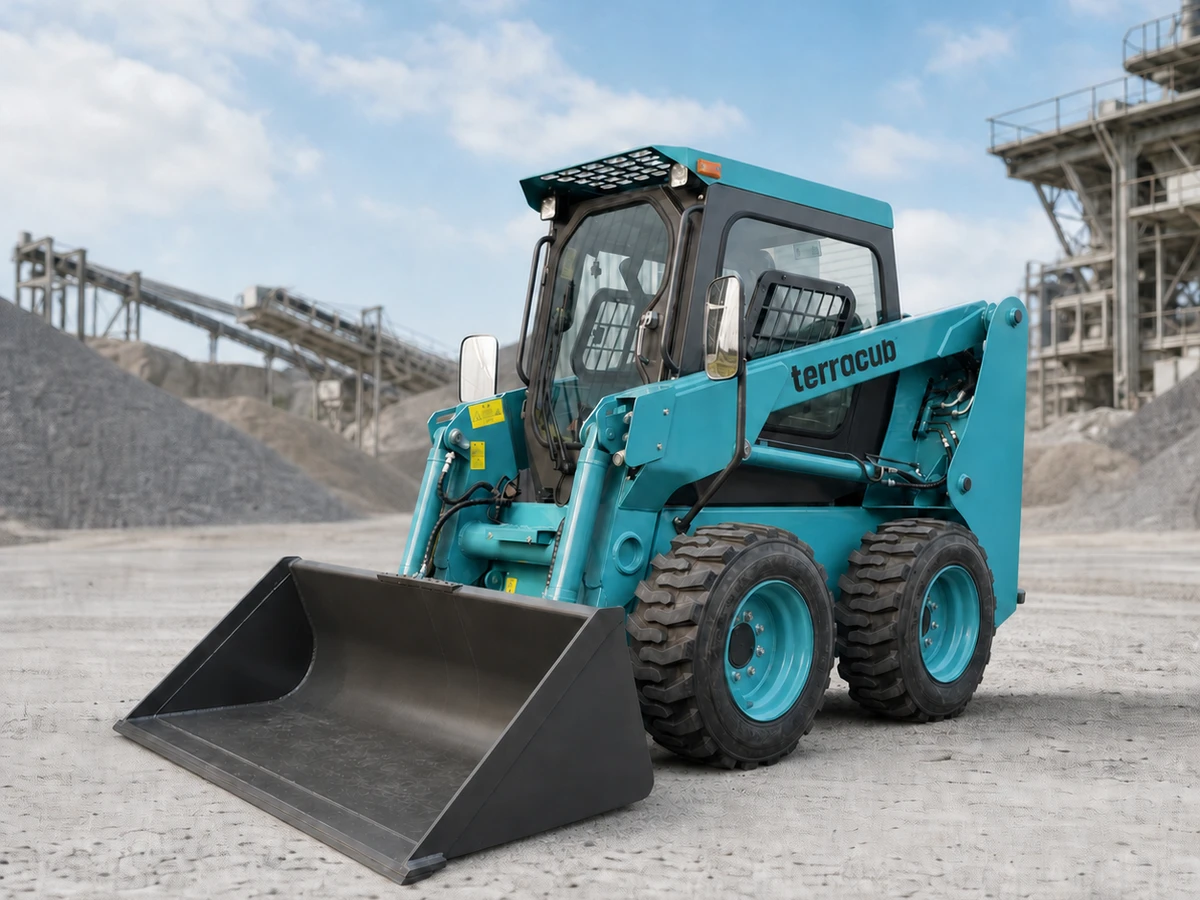
- New compact or used full-size? A new compact loader can cost less than a good used full-size unit while carrying a warranty the used machine won't have. Compare rated load and bucket volume against your real jobs, not the spec sheet's biggest number — see TerraCub's current skid steer loader range for a side-by-side on wheeled and tracked options.
How to get started, step by step
Name the business — not after yourself. A memorable business name outlives you changing what you offer, and it reads better on a truck door than your own name does.
Buy the machine and one earning attachment. Resist the full attachment catalog until you've booked jobs that need each piece.
Line up a hauler before you need one. Find a local dump-truck or trailer operator you can call for material removal, and build their cost straight into your bids instead of buying a truck you'll use twice a month.
Set a flat-rate pricing method before your first quote. Decide how you'll price access difficulty, material volume, and load-out before a customer asks — not while they're standing next to you.
Get in front of concrete contractors and landscapers first. They need demolition and site prep done before their own crews arrive, and they hire the same reliable operator repeatedly once trust is built.
Document real jobs. Short video of an actual demo job earns more trust — and more direct residential leads — than any stock photo ever will.
Mistakes that sink new owner-operators
- Buying a full-size machine and a full attachment set before booking a single job.
- Using the wrong pricing model for the scope: a fixed price without understanding the risks, or an hourly price without clear terms.
- Buying a dump truck (with its registration, insurance, and maintenance costs) before proving there's enough hauling volume to justify it.
- Skipping the terrain check — bidding a job without walking the access route and checking soil conditions first.
- Under-pricing the second visit. If the customer changes the scope after you've already bid, the new number is a new number.
- Treating it as a side hustle instead of a business — no separate books, no reserve for a slow month, no plan for when the machine needs a repair.
None of these mistakes are exotic. They're the same six things that trip up almost every new owner-operator, in almost every trade. The skid steer business is just unusually forgiving about which ones you can survive making — right up until it isn't.
Comparing your first machine before you commit?
See TerraCub's current wheeled and tracked skid steer loaders side by side, then talk to us about which rated load actually fits your first year of jobs.
Request a quote — reply within 24 hoursFAQs
How much does it cost to start a skid steer business in 2026?
Do I need a dump truck to start a skid steer business?
Should I charge hourly or a flat rate for skid steer work?
Which skid steer services can have the strongest margins?
Can I run a skid steer business by myself?
Wheels or tracks for a first skid steer business machine?
How do I find my first customers for a skid steer business?
Further reading
Recommended Products
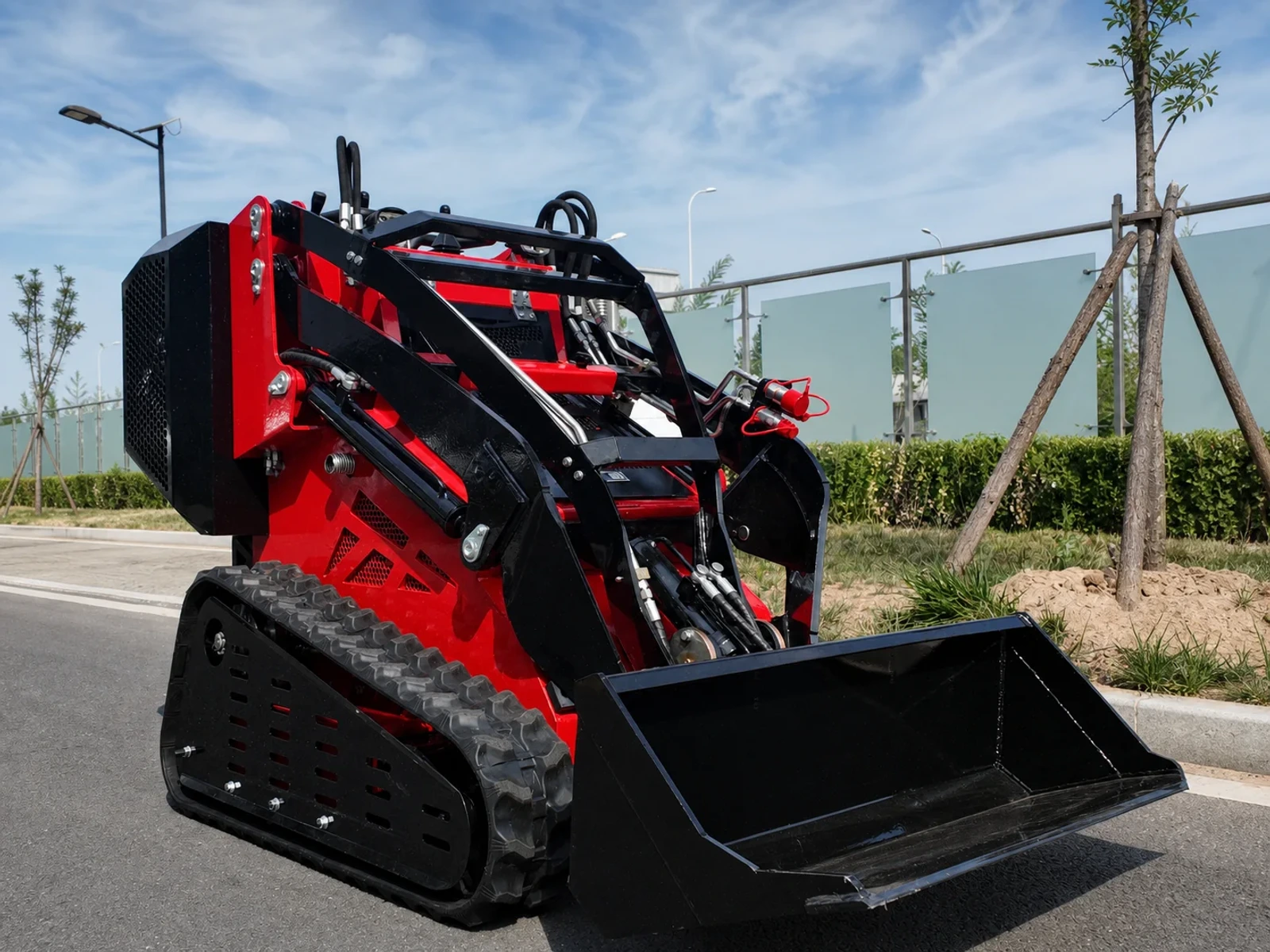 Stand-On Track Skid Steer Loader T470
Tracked stand-on loader with 240 kg rated load, 0.12 m3 bucket, and stronger reach than entry compact models.
View Product →
Wheeled Skid Steer Loader S480
Wheeled loader with 350 kg rated load, 0.1 m3 bucket, and high-tip angles for small-site loading work.
View Product →
Stand-On Track Skid Steer Loader T470
Tracked stand-on loader with 240 kg rated load, 0.12 m3 bucket, and stronger reach than entry compact models.
View Product →
Wheeled Skid Steer Loader S480
Wheeled loader with 350 kg rated load, 0.1 m3 bucket, and high-tip angles for small-site loading work.
View Product →
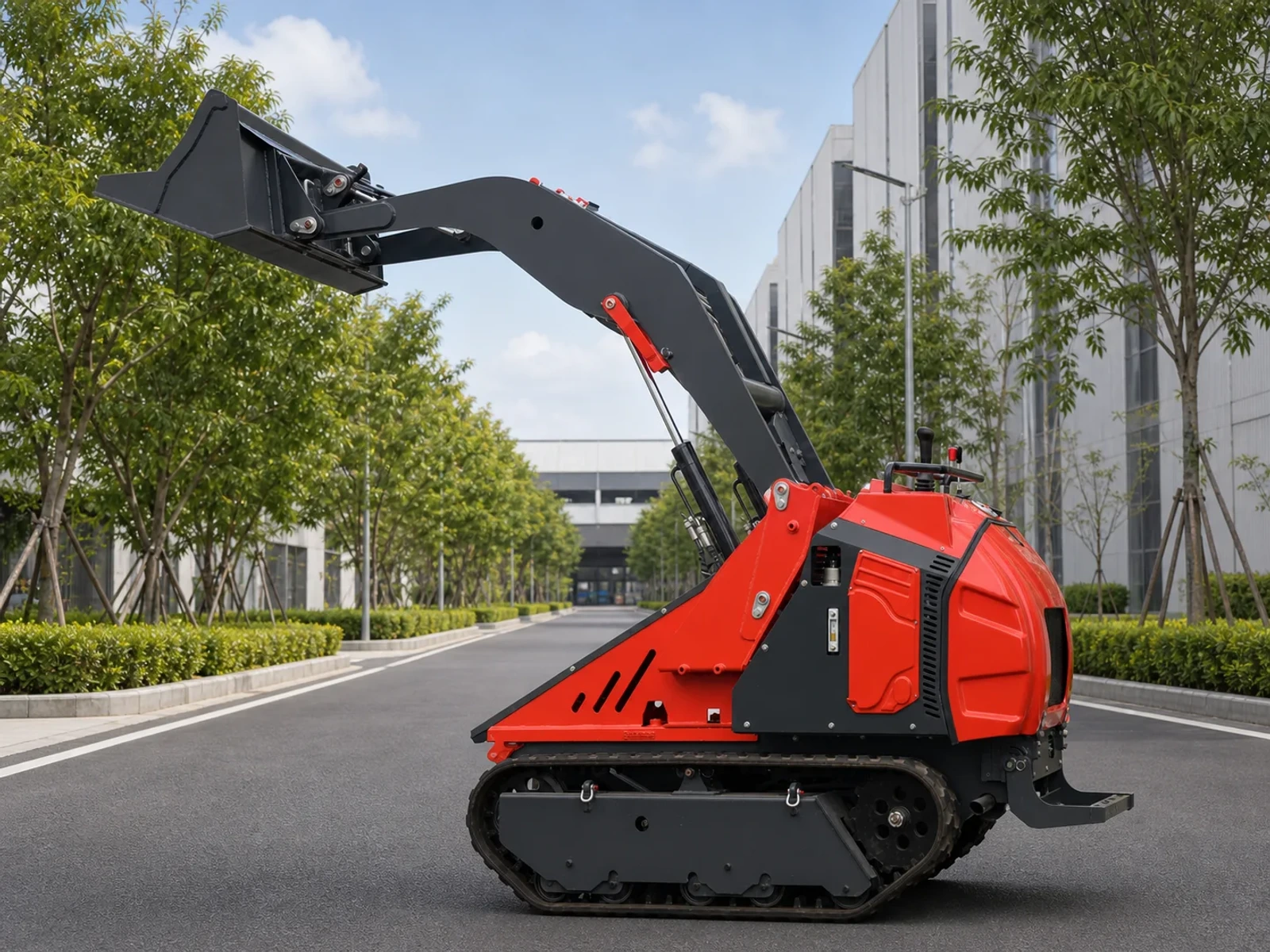 Compact Track Skid Steer Loader C1200
Compact track loader with high-tip capability for heavier material handling, uneven ground, and general loading work.
View Product →
Compact Track Skid Steer Loader C1200
Compact track loader with high-tip capability for heavier material handling, uneven ground, and general loading work.
View Product →