Before You Buy a Skid Steer Broom: Check the Job, Hydraulics, Width and Bristles
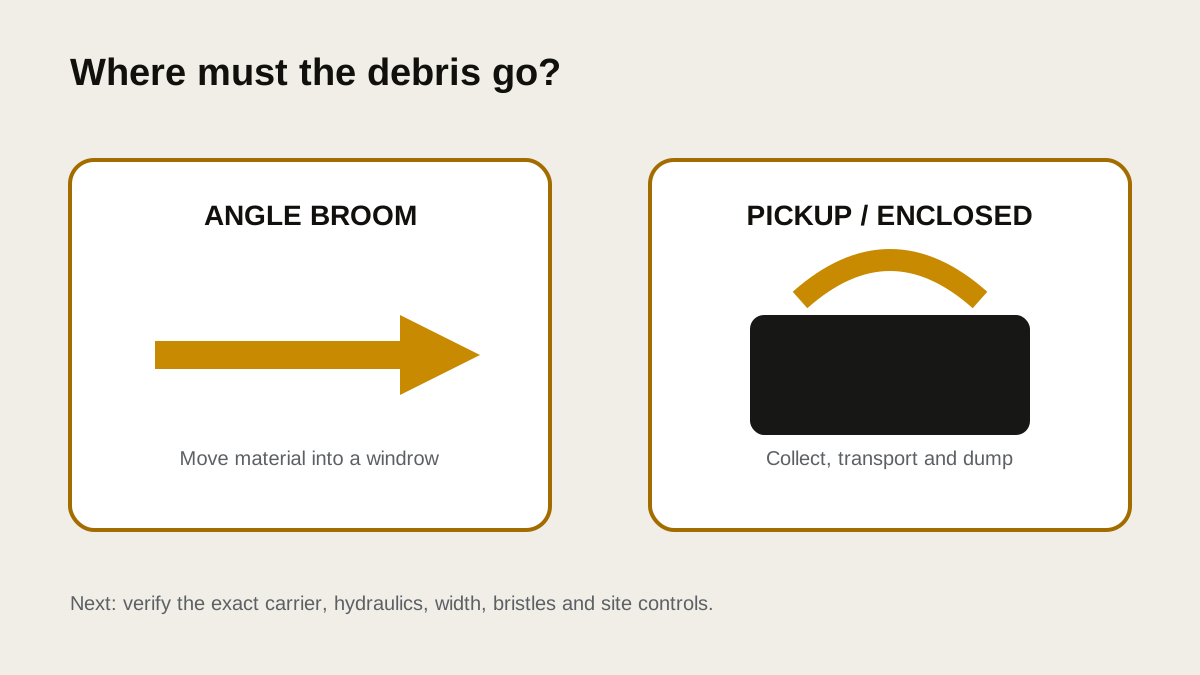
Choose from the job backward: decide where debris must go, then prove carrier fitment, hydraulic compatibility, working width, bristle selection, dust controls and service readiness.

Decide where the debris must go
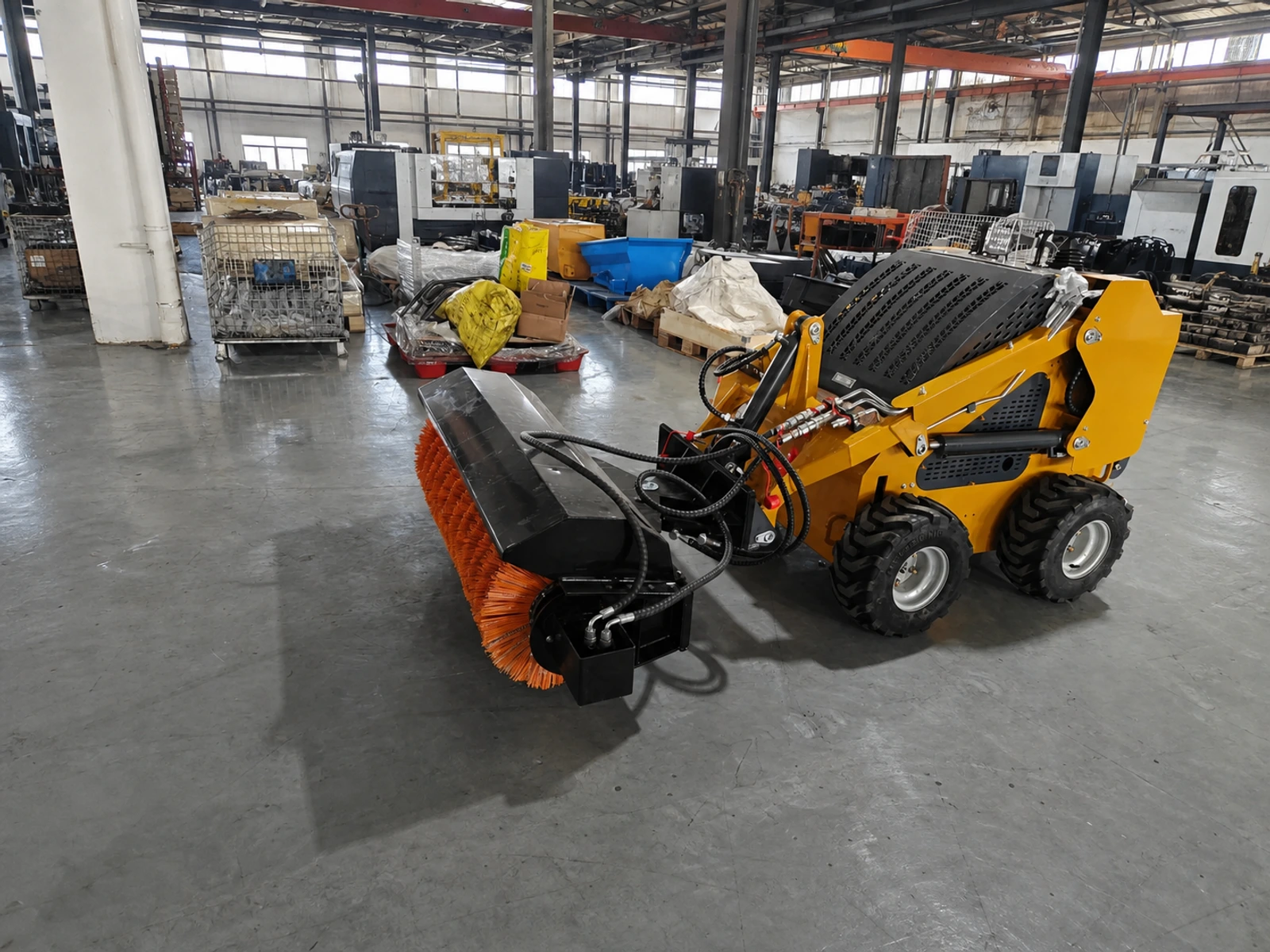
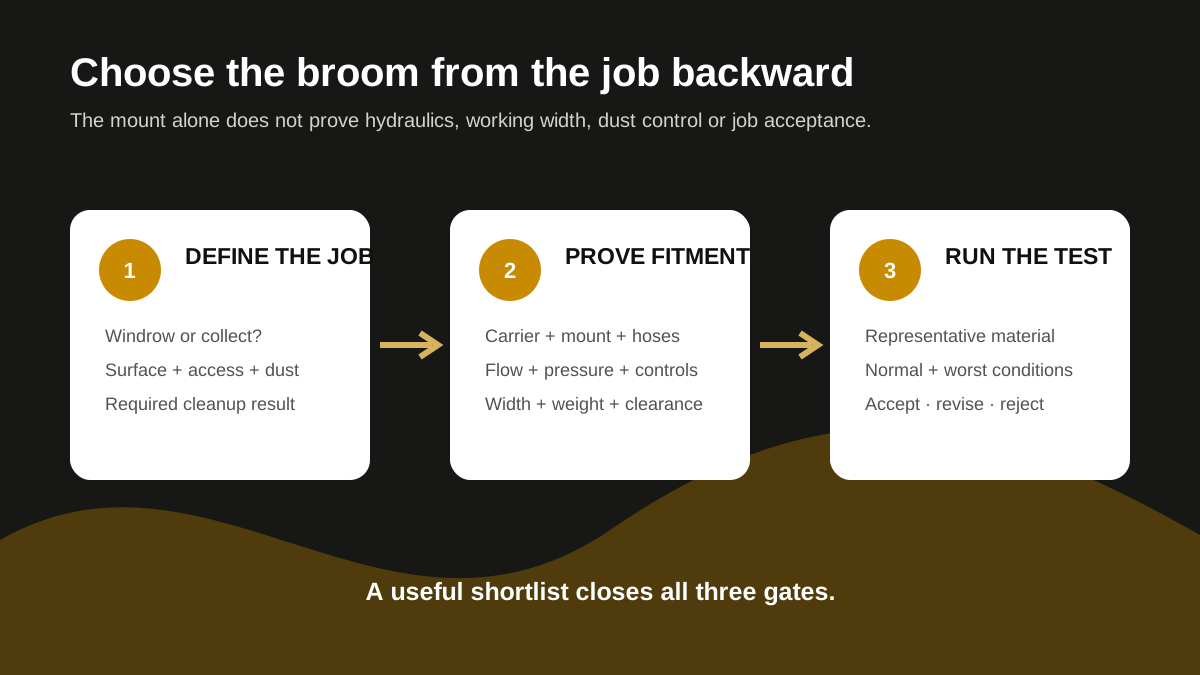
An angle broom rotates and directs loose material into a windrow. It can suit road edges, yards, leaves, sand, loose aggregate and light snow when the work plan allows material to be moved aside. The Bobcat broom category and Virnig broom lineup both reflect this windrow-versus-collection distinction.
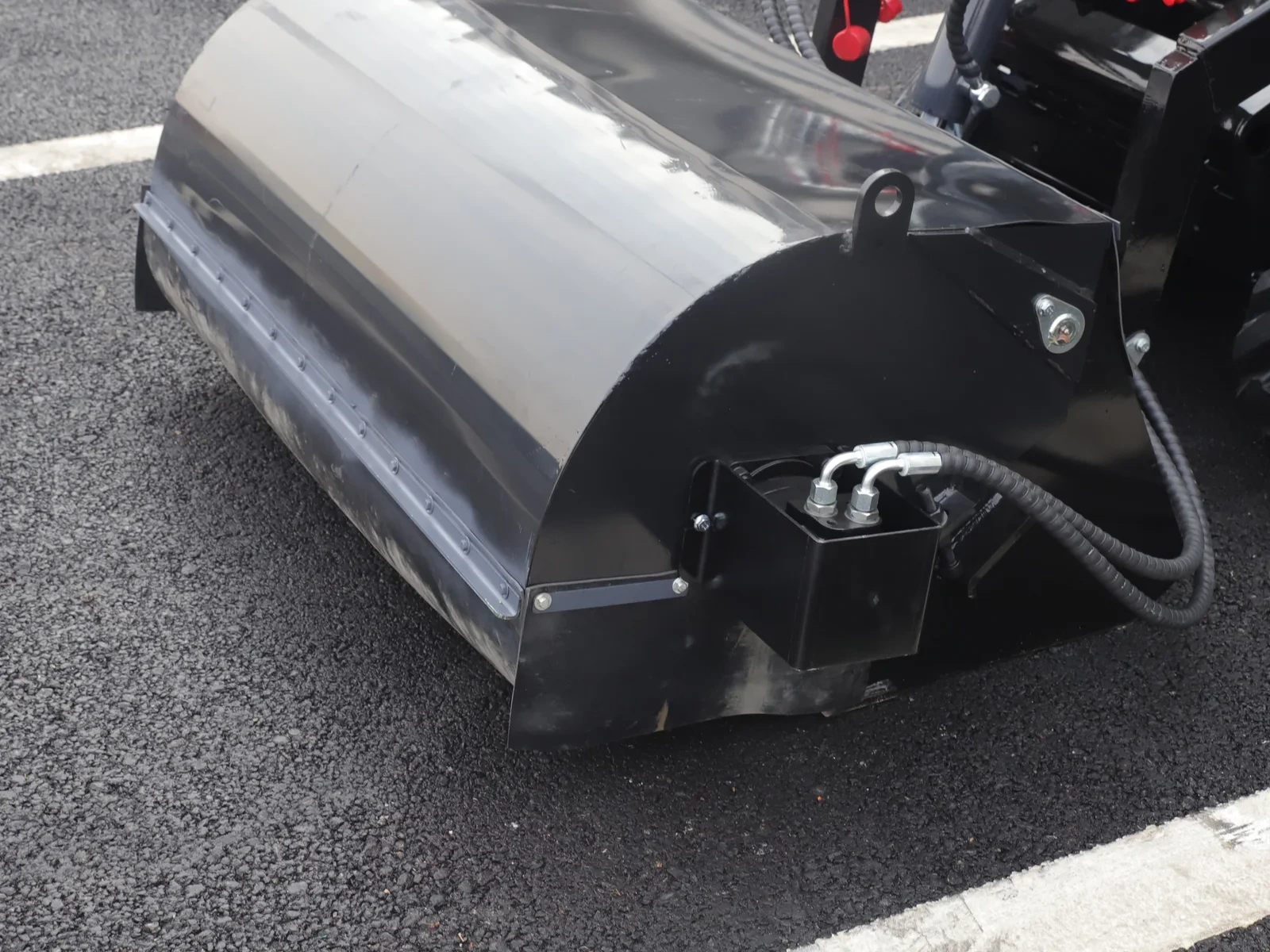
A pickup or enclosed broom sweeps material into a bucket or hopper for controlled transport and dumping. It is a stronger starting point when debris must be collected rather than left in a row, or when cleanup takes place around depots, paved yards, paths or finished surfaces.
Do not choose enclosed only because the site is dusty. Ask whether the selected unit has an appropriate dust-control option, how it is supplied and operated, and whether the work method meets the site exposure rules.
Define the job before the attachment
Write a short job card. If the material changes by season, either size for the dominant job and accept limits or verify that the chosen broom can be configured for both. A brochure phrase such as all-purpose does not replace this record.
- Material: leaves, gravel, soil, millings, light snow, dust or mixed debris.
- Surface: asphalt, concrete, compacted aggregate, pavers or uneven yard.
- Desired result: windrow, collect, load out or final cleanup.
- Typical depth, moisture and contamination.
- Pass length, turns, obstacles and curb or edge work.
- Access width, transport width and storage limit.
- Bystanders, traffic, buildings and sensitive equipment nearby.
- Dust, silica or other site controls.
Treat dust as a work-method decision
Dry sweeping can put fine material into the air. In the United States, OSHA’s construction silica FAQ explains that dry sweeping may be restricted when it could contribute to respirable crystalline silica exposure and feasible alternatives are available. That is a conditional rule tied to material, exposure and jurisdiction—not a blanket statement about every broom job.
Identify the debris before selecting dust control. Consider wet methods, collection, water-kit compatibility, site ventilation, exclusion zones and cleanup or disposal procedures as applicable. Confirm that water is appropriate for the surface and material and that the carrier supports the selected attachment configuration.
Verify the complete carrier envelope
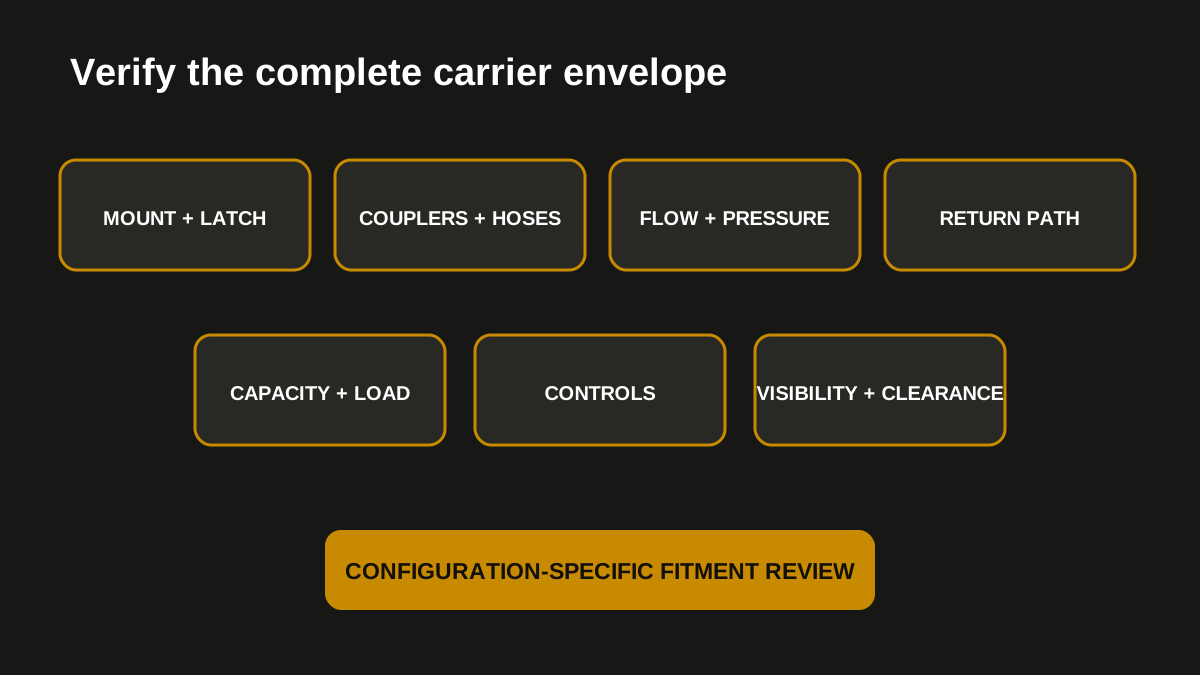
Do not approve fitment from universal quick attach alone. Record exact carrier manufacturer, model, serial or build range and installed options. Manufacturers publish model-specific data; the Bobcat angle broom page shows why size and compatibility must be checked at the variant level. Do not transfer a flow, pressure or capacity value from another broom.
- Mounting interface and latch engagement.
- Hose length, routing and protection through full movement.
- Coupler type, size and orientation.
- Required hydraulic flow and pressure against the exact manuals.
- Continuous or intermittent demand and auxiliary control method.
- Return path or case drain, if required.
- Attachment and loaded-hopper weight within carrier limits.
- Visibility, tire or track clearance and transport position.
- Electrical controls or harnesses for angle, water or other functions.
Match width to access and performance
A wider broom can cover more ground per pass only if the carrier can operate it effectively and the site accepts the physical width. Compare effective swept width including angle, narrowest gate or aisle, overlap, stability, hydraulic demand under working load, ground following, storage and transport.
For an angle broom, straight nominal width may not equal useful width when angled. For a pickup broom, account for hopper or bucket, collected material and dumping route. Use manufacturer dimensional drawings and an actual site measurement.
Choose bristles for surface and debris
Bristle material, pattern, diameter and density affect aggressiveness, debris movement, surface contact and wear. Wire can be more aggressive on compacted material but may be unsuitable for a delicate finished surface. Poly bristles can suit many general sweeping tasks, while mixed sections may balance cutting and flicking action. The exact result depends on brush design, speed, down pressure, material and surface.
Ask whether sections are replaceable, what wear limit is specified, how adjustment is made and which wear parts are stocked. The Virnig pickup broom page illustrates that bristle and water-kit options are product-specific. Verify the selected configuration instead of assuming an option is included.
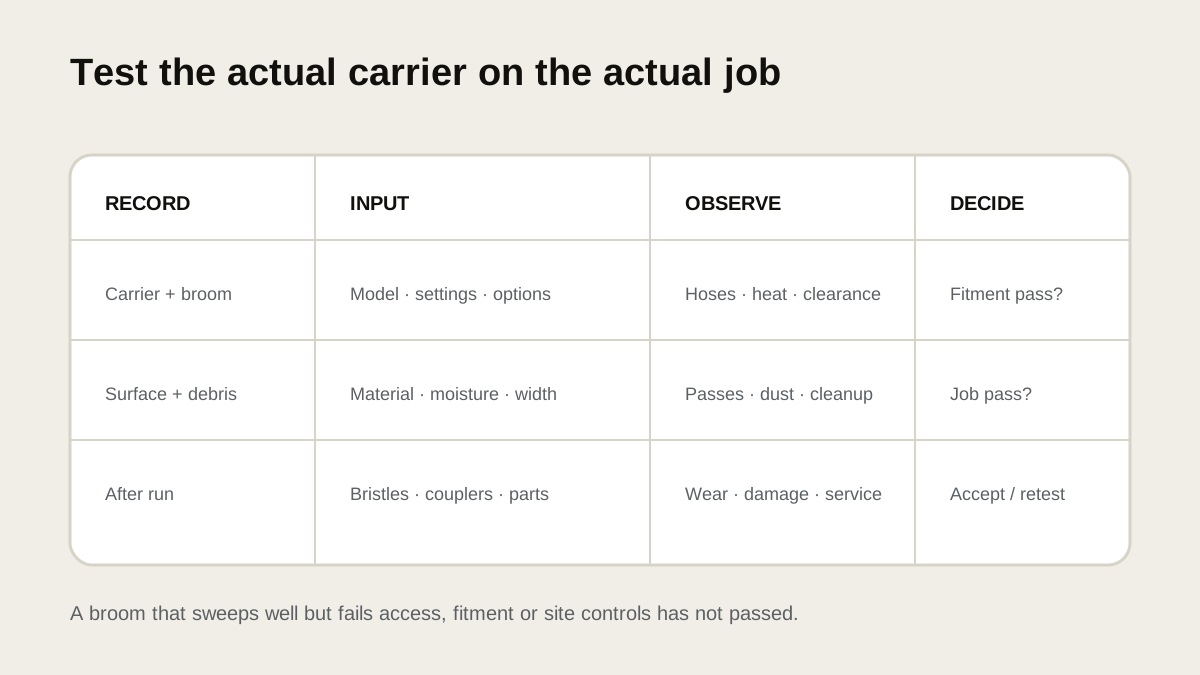
Run an acceptance test before full production
Use the actual carrier, broom configuration and representative material. Record carrier identity and auxiliary settings; broom model, width, bristles and options; surface, debris and moisture; travel direction and speed range; contact pattern; manual-required hydraulic warnings; pass count and cleanup quality; dust-control behavior; hose, coupler, clearance and visibility; and post-run component condition.
Accept only when the combination performs the defined job without unresolved fitment, control or site-rule conflicts. If it sweeps well but cannot pass through the gate, collect required debris or operate inside the carrier manual, it has not passed the real job.
Build a fitment-first quote brief
Compare TerraCub’s Angle Broom for windrowing and edge cleanup with the Enclosed Broom for collection-oriented work. Use the attachment compatibility and spare-parts hub to prepare carrier and service evidence, then contact TerraCub with the job card, carrier identity, hydraulic data, mounting and coupler photographs, access width and desired debris destination.
That evidence supports a fitment review. It does not make either broom universally compatible.
Frequently asked questions
Is an angle broom or pickup broom better for a skid steer?
Neither is universally better. Choose an angle broom when debris may be windrowed aside; choose a pickup or enclosed broom when the job requires collection and controlled dumping. Then verify carrier and site constraints.
How do I check hydraulic compatibility?
Compare the exact broom manual flow, pressure, return and control requirements with the exact carrier configuration. Also verify couplers, hoses, duty cycle and installed options.
Should the broom be wider than the skid steer?
It often needs enough effective width to clear the travel path, but access, angle, stability, hydraulic performance and transport limits also matter. Use effective working width.
Are wire or poly bristles better?
It depends on material, surface and desired aggressiveness. Wire may be more aggressive but can mark some surfaces; poly is common for general sweeping. Test the exact configuration.
Does an enclosed broom eliminate dust?
No. Dust performance depends on material, brush action, seals, water or other controls and work method. Apply the site exposure requirements.
What should I send for a broom quote?
Send carrier model and serial or build information, mounting and coupler photos, hydraulic specifications, material and surface, desired windrow or collection result, access width, dust controls and required options.
Sources and limitations
Manufacturer pages are used to explain broom categories and model-specific options; OSHA is used only for the stated US silica-related condition. Exact fitment, hydraulic settings, operating limits, bristles and options must be verified from the carrier and attachment documents for the quoted configuration.
Prepare a checkable broom quote
Send the carrier identity, hydraulic record, job material, surface, debris destination, access width and dust-control requirements.
Request a configuration review