Chinese Skid Steer Loader: A Practical Importer Buying Guide
Select the job-fit machine, verify the commercial counterparty, and make the delivered configuration inspectable.

A Chinese skid steer loader can be a practical fleet or dealer purchase when five gates pass before shipment: the machine fits the job and access; the supplier and beneficiary are verified; the ordered configuration is precise; serial-linked inspection passes; and destination documents, parts and warranty are workable. Do not choose from a model photo or factory price alone.
Gate 1: Convert the Job Into a Machine Requirement
Record where the loader must travel, what it must lift or push, the attachment duty, daily hours, door or gate limits, trailer limit, surface and slope. Those facts determine the undercarriage, size, rated operating capacity, lift path, engine, auxiliary hydraulics, cooling and operator station.
Wheels can suit hard surfaces, frequent travel and lower undercarriage cost. Tracks can improve flotation and traction on soft or uneven ground but add wear components and transport mass. Read the skid steer versus compact track loader comparison before asking a supplier to quote both.
| Job input | Machine decision | Evidence |
|---|---|---|
| Narrowest access | Overall width/height and turning space | Measured machine and label-linked model |
| Material and load | Rated capacity and bucket/fork selection | Manufacturer rating and test basis |
| Lift target | Radial/vertical path and hinge-pin geometry | Dimension drawing and observed cycle |
| Attachment duty | Flow, pressure, couplers, drain and controls | Machine/tool data and working test |
| Surface and hours | Wheels/tracks, cooling and service plan | Duty description and maintenance schedule |
Gate 2: Verify the Company You Will Pay
Request the supplier's legal Chinese name, registration information, factory address, export entity and bank beneficiary. Manufacturers may use related export companies, but the relationship must be explained. The quotation, contract, invoice and beneficiary should form a coherent chain.
The U.S. International Trade Administration recommends due diligence when selecting foreign partners. For a material order, use appropriate company checks, independent references and a live walkthrough that connects the stated factory to production and testing. Treat staged marketing footage as background, not proof of your unit.
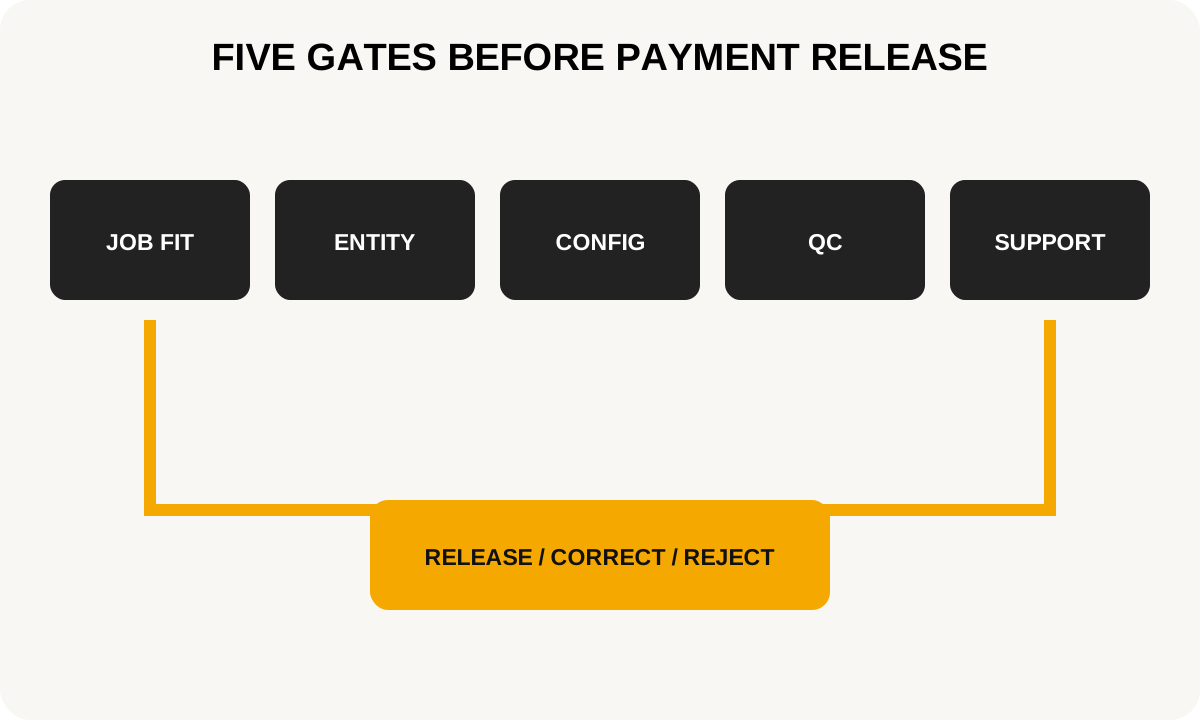
Gate 3: Turn the Quotation Into a Signed Specification
Names such as “mini,” “one tonne” or “high flow” are not acceptance criteria. State the exact model and included operating-weight basis, rated capacity, tipping load basis, dimensions, engine, emissions label, transmission, tyres or tracks, travel, hydraulic flow and pressure, couplers, lift geometry, controls, canopy/cab, bucket, attachments, paint, labels, manuals and spare parts.
List approved component brands and model codes only when verified, and identify which items may be substituted. Require buyer approval before substitution. Unknown specifications should stay marked “supplier to confirm”; do not fill them with common market values.
Configuration lock: attach the signed specification and inspection checklist to the purchase order. Commercial wording should define what happens when the delivered unit differs.
Gate 4: Inspect the Exact Serial-Linked Machine
Inspection should happen before the final balance and shipping release, while correction is still possible. Begin with the serial/identification plate and keep the unit identifiable through photos, measurements and functional video. Compare it with the signed order line by line.
- Cold start, warm operation, gauges, alarms, emergency stop and shutdown.
- Forward/reverse, steering, braking and parking function.
- Boom, lift path, tilt, auxiliary hydraulics and attachment operation.
- Leaks, hoses, couplers, fasteners, welds, guards, tyres/tracks and paint.
- Dimensions, labels, engine ID, options, manuals, keys and parts pack.
- Packaging, corrosion protection, restraints and document identifiers.
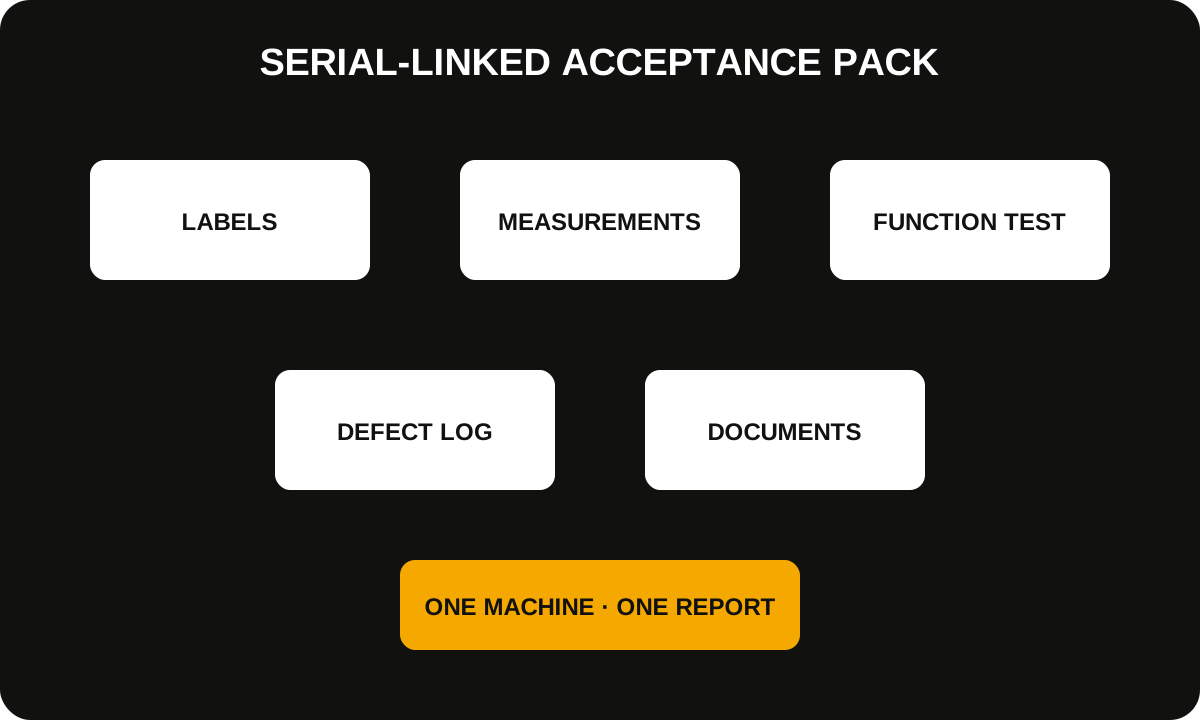
Gate 5A: Verify Destination Requirements Before Shipment
Compliance is specific to the country, machine, engine and configuration. Generic “CE,” “EPA” or “Euro” lines are not enough. For the United States, review current EPA nonroad-engine import resources and confirm classification, marking and customs steps with qualified professionals. For the EU, confirm how the applicable machinery and engine-emissions framework affects the precise product and placing-on-market role.
Ask for permanent machine and engine label photos, declarations/certificates where applicable, manuals, risk/safety information and test records linked to the configuration. Verify document scope and issuing body where practical. The importer remains responsible for destination decisions; a supplier statement is evidence to examine, not automatic clearance.
Gate 5B: Test Parts and Warranty Before Ordering
Request a parts book with stable numbers and use it before purchase: price several service and wear items, then ask where they are stocked and how quickly they normally ship. Confirm engine-service access, diagnostic support, communication hours and language.
A warranty must state start date, duration, covered parts, exclusions, evidence, decision time, labour, freight and remedy. Ask who pays when a heavy component fails and whether remote diagnosis is sufficient. Include the initial unit-specific parts pack in the skid steer loader category when preparing the landed-cost worksheet.
Release Only When the Five Gates Agree
Reconcile the job requirement, supplier identity, signed configuration, serial-linked inspection, documents, support and shipping plan in one closeout file. Resolve every exception in writing. The buyer can accept, conditionally accept with a remedy, or reject under the agreement.
Do not let production schedule turn “not shown” into “passed.” For a TerraCub model discussion, send the job, access, surface, attachment, destination and quantity through the contact and quote page.
FAQs
Are Chinese skid steer loaders worth buying?
They can be when job fit, configuration, quality evidence, destination requirements, parts and warranty are verified before payment and shipment.
How do I choose wheels or tracks?
Choose from surface, traction, ground disturbance, travel, maintenance and transport needs—not appearance.
How do I verify a supplier?
Check the legal entity, factory, export role, beneficiary, references and contract chain, then use unit-specific inspection evidence.
What should be inspected?
Verify serial-linked configuration, labels, dimensions, functions, hydraulics, leaks, controls, attachments, documents, parts and packing.
When should I pay the final balance?
Release it only after required evidence passes and every exception is corrected or accepted in writing under the purchase agreement.
Match a Loader to the Work
TerraCub can review the job and destination inputs before preparing a configuration-based quotation.
Start the Equipment ReviewRecommended Products
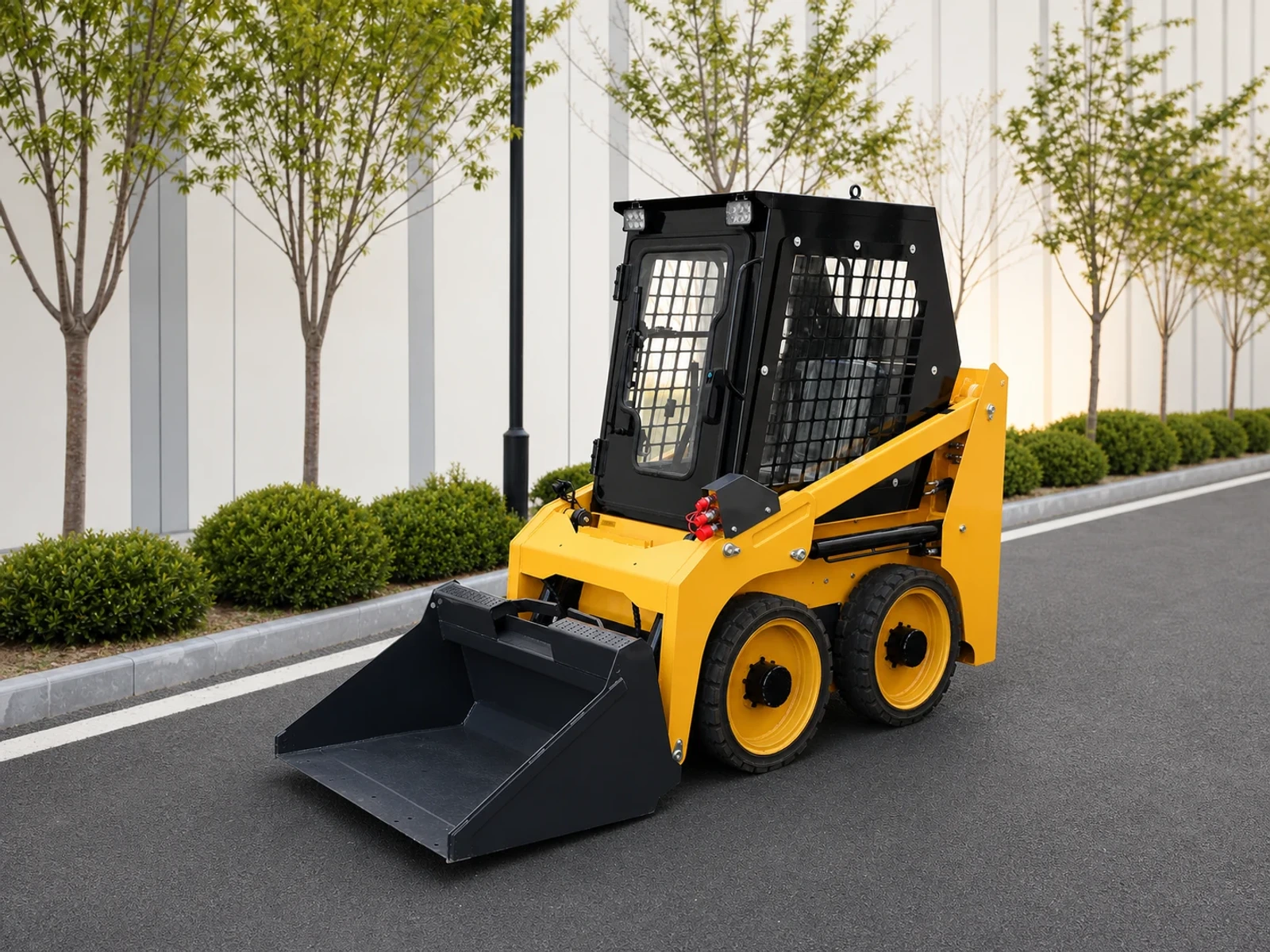 Skid Steer Loader 25
Small enclosed skid steer with solid tires, compact width, and light loading support for paved yards and confined sites.
View Product →
Skid Steer Loader 25
Small enclosed skid steer with solid tires, compact width, and light loading support for paved yards and confined sites.
View Product →
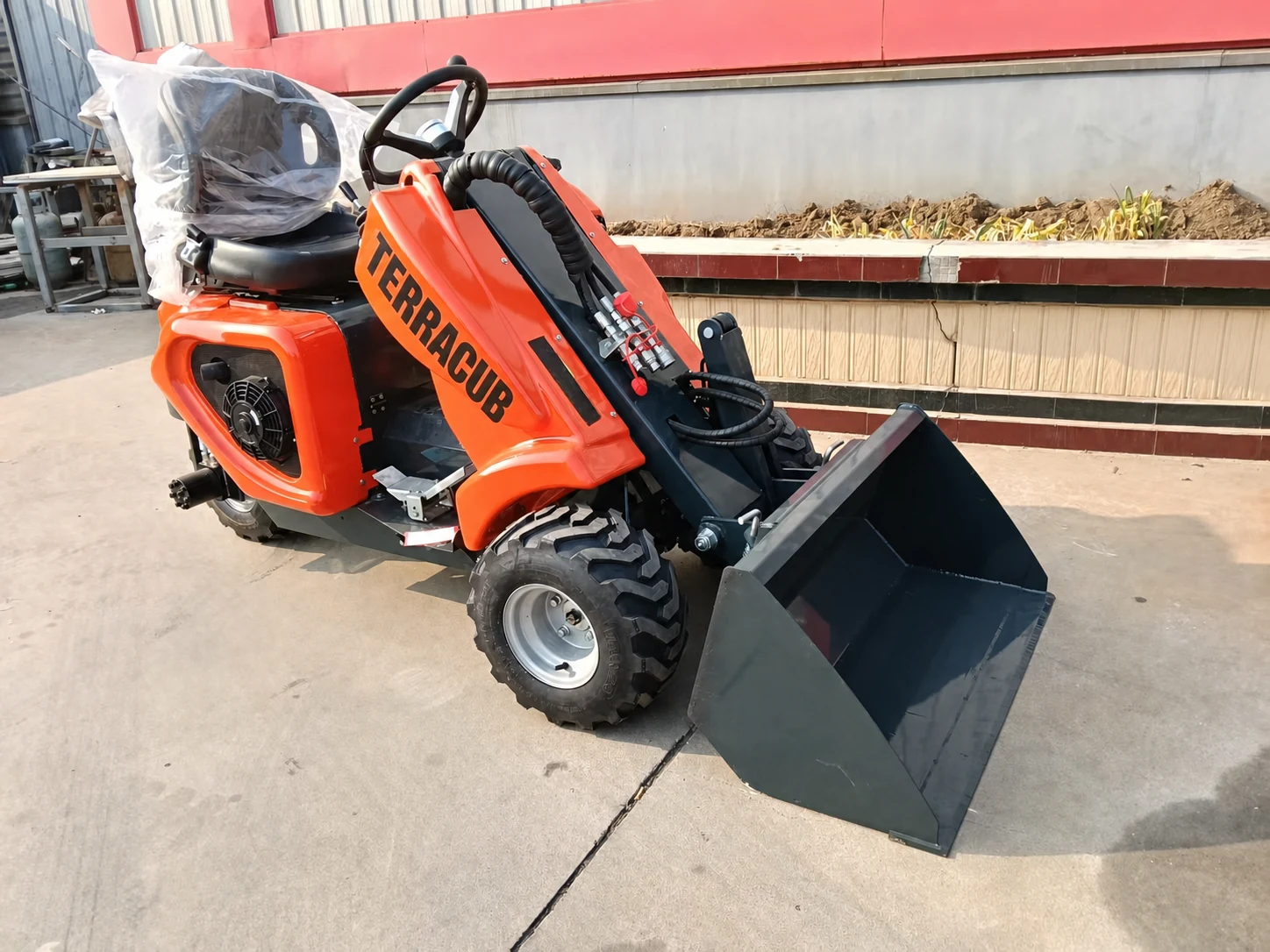
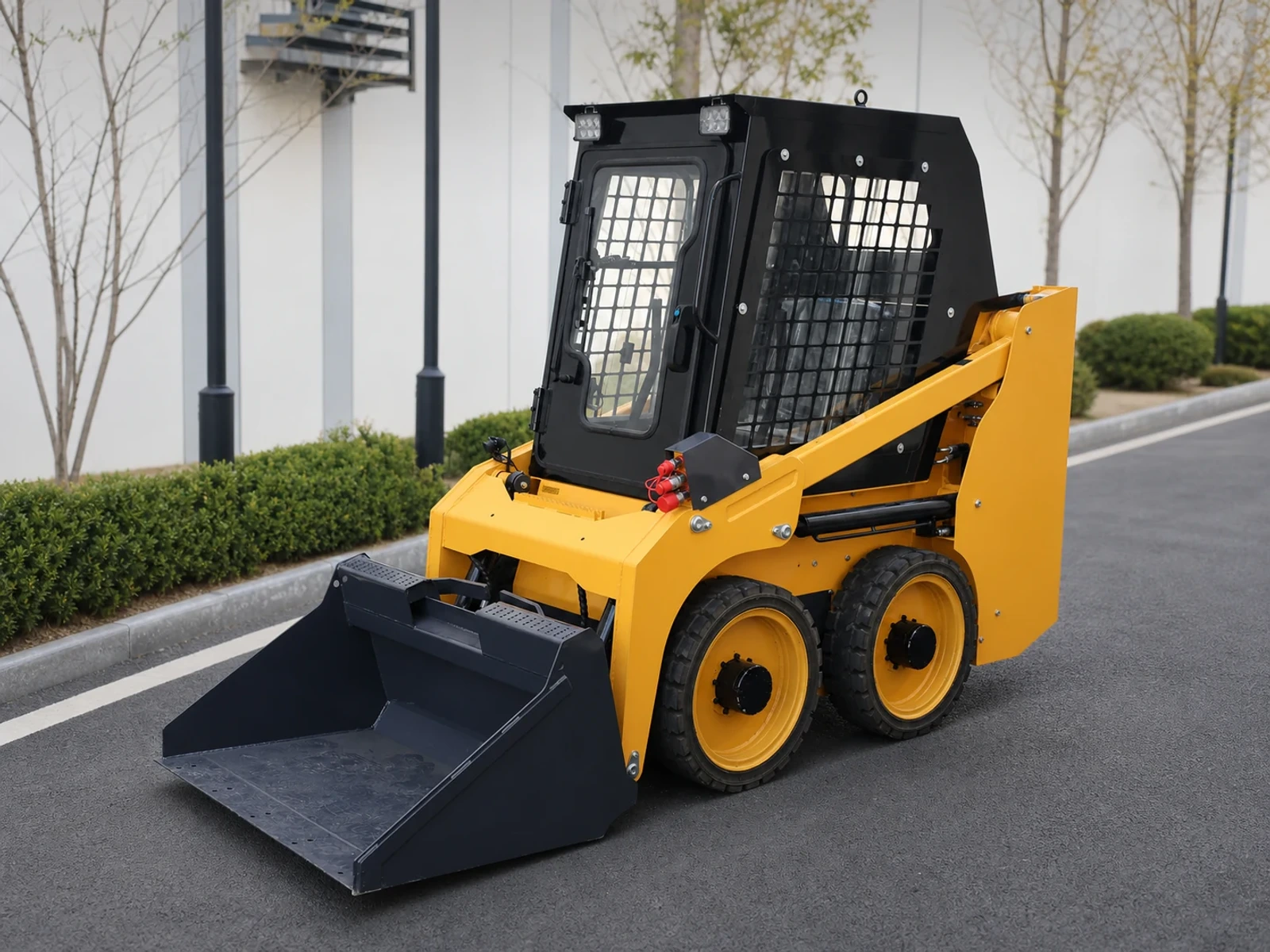 Skid Steer Loader S55
Closed-cab wheel loader with 0.4 m3 bucket, higher rated load, and faster travel for daily support work.
View Product →
Skid Steer Loader S55
Closed-cab wheel loader with 0.4 m3 bucket, higher rated load, and faster travel for daily support work.
View Product →
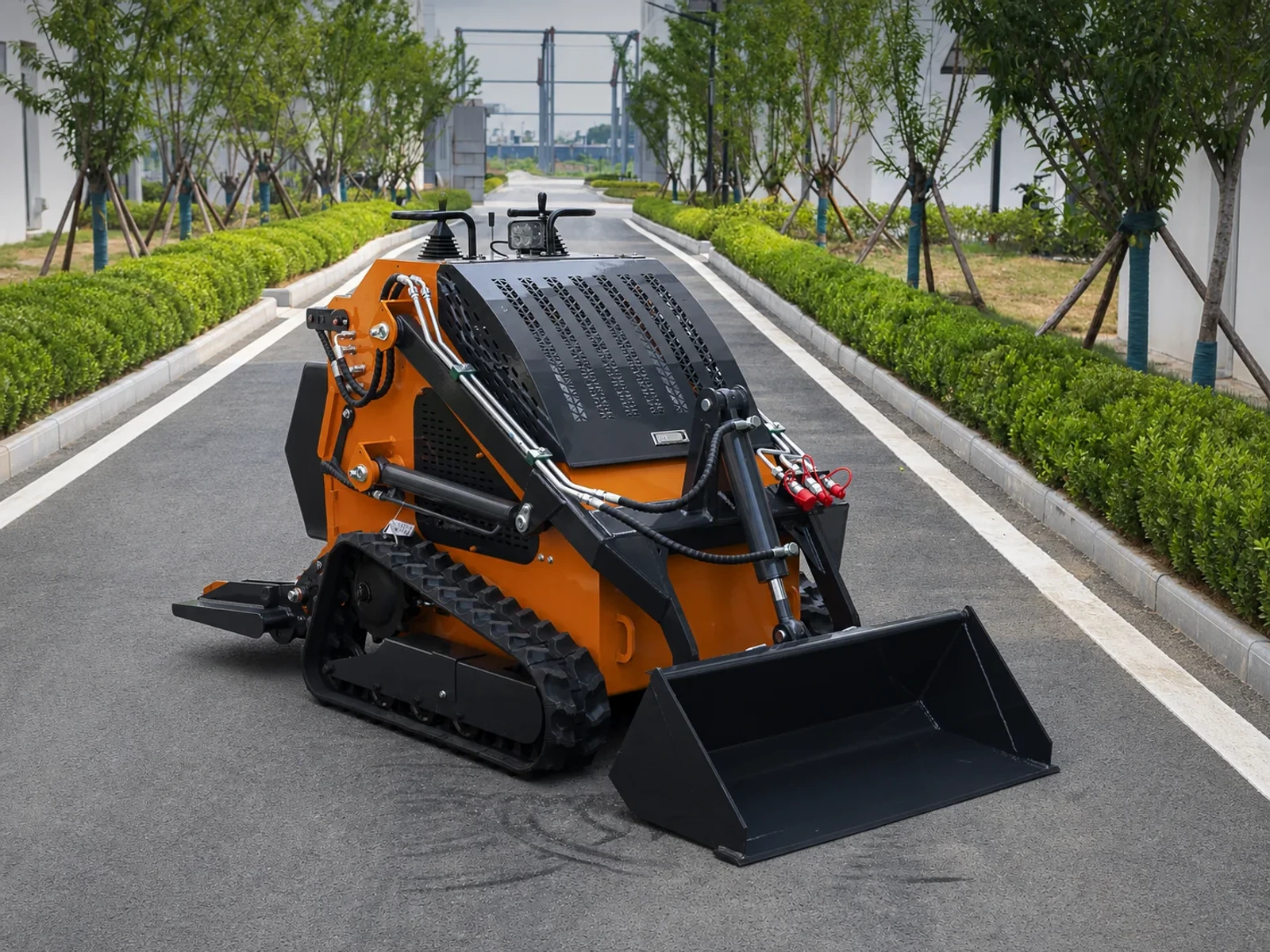
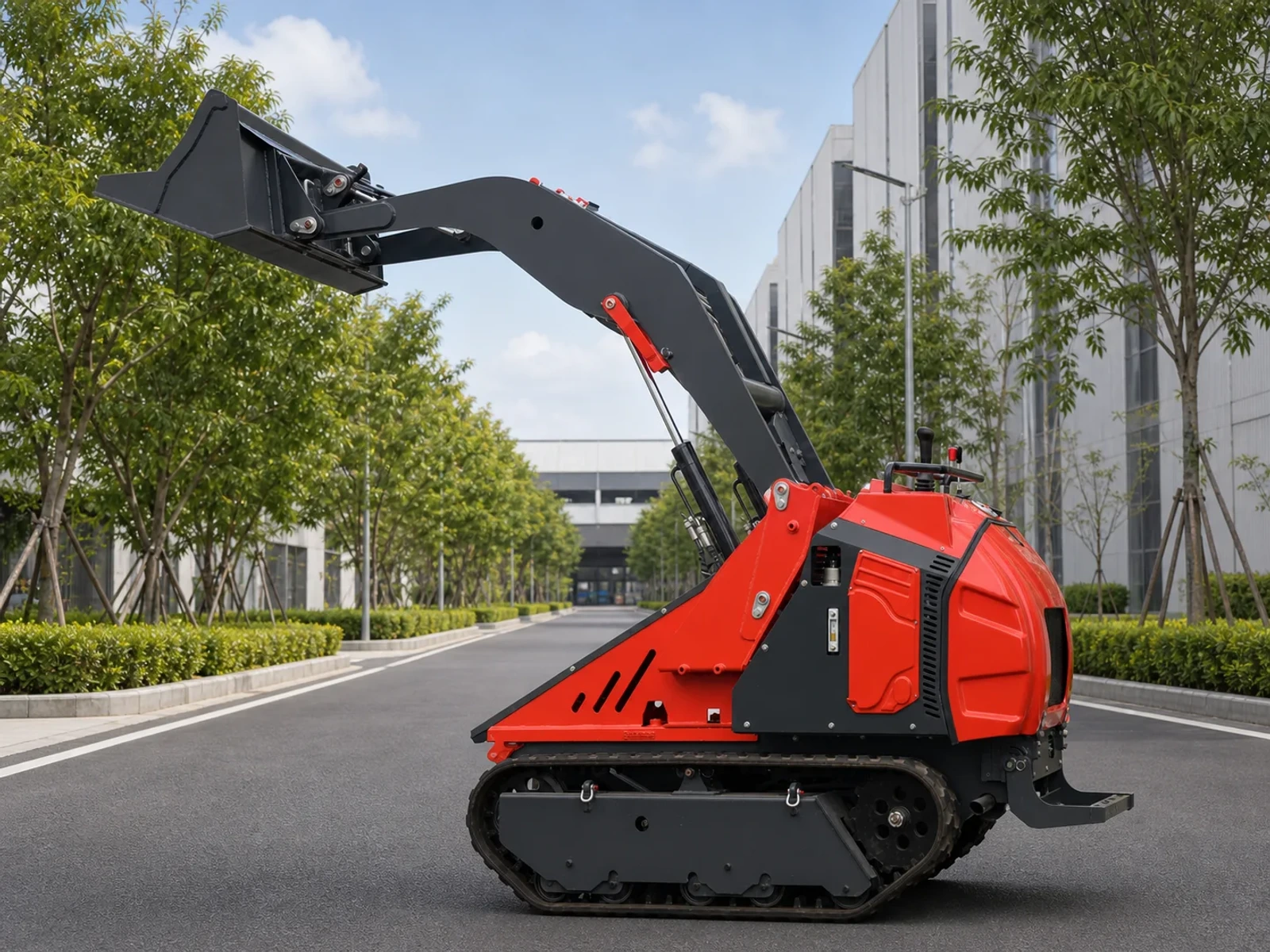 Compact Track Skid Steer Loader C1200
Compact track loader with high-tip capability for heavier material handling, uneven ground, and general loading work.
View Product →
Compact Track Skid Steer Loader C1200
Compact track loader with high-tip capability for heavier material handling, uneven ground, and general loading work.
View Product →