Ask These 10 Questions Before Choosing the Best Chinese Mini Excavator
A low factory quote does not identify the best machine. Verify the supplier, specifications, quality evidence, support, compliance, shipping, and true landed cost.

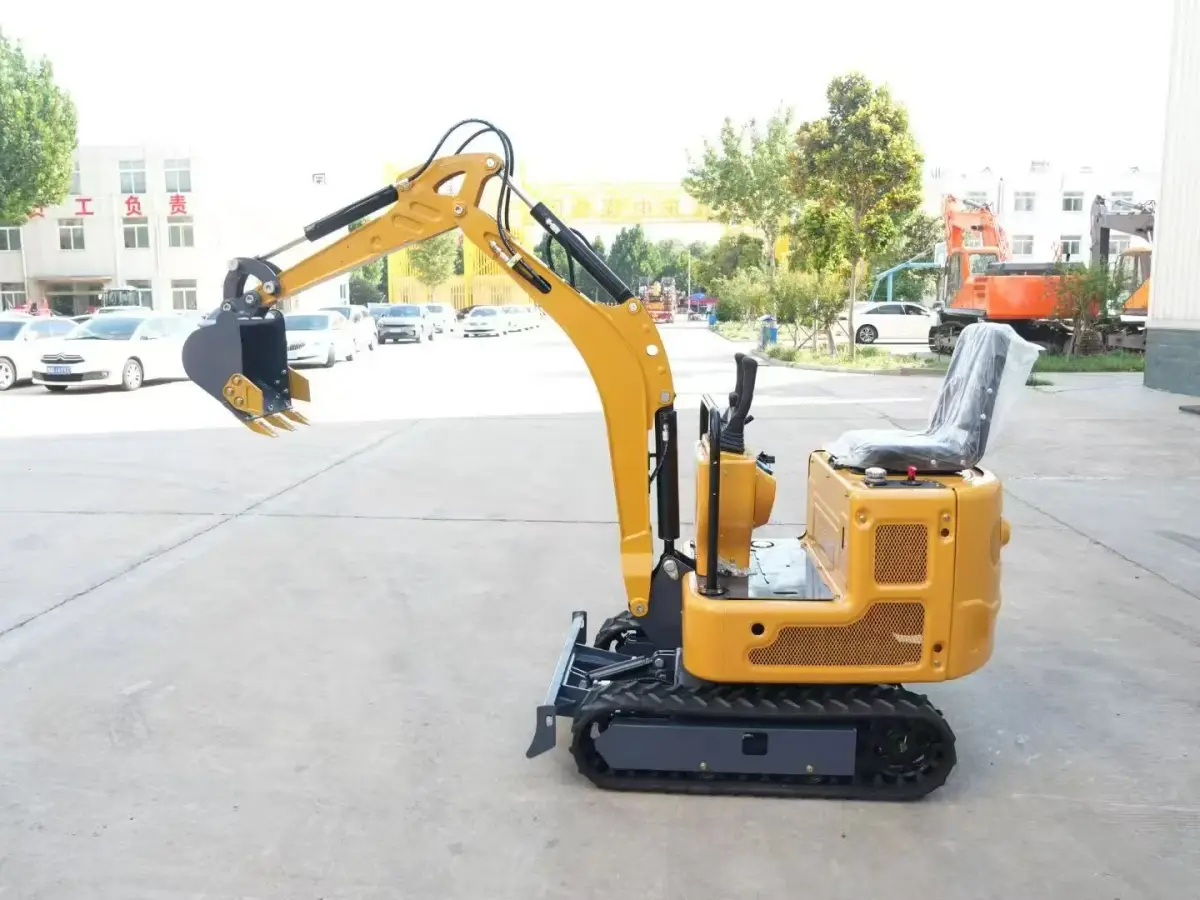
Buyers searching for the best Chinese mini excavator often see similar-looking machines sold under different names. Photos help discovery, but they do not prove operating weight, hydraulic configuration, engine certification, component identity, or production consistency. Treat every important claim as something to verify in writing.
1. Define the job before comparing factories
Record the narrowest passage, required digging depth and radius, soil or material, lifting expectations, attachments, transport limit, annual hours, climate, and local service capability. A tiny excavator may enter a backyard but still be too light or short-reaching for the trench.
| Decision | Evidence | Reason |
|---|---|---|
| Access | Overall transport width and height | Blade, canopy, and attachments can alter clearance. |
| Digging range | Dimensioned working-range drawing | Maximum depth alone does not show reach or dump height. |
| Transport | Verified operating and shipping weights | Trailer, port, container, and lifting plans depend on real weight. |
| Attachments | Pin dimensions, flow, pressure, and tool mass limit | A familiar tool name does not guarantee fit. |
Use our mini excavator selection guide to convert the job into a shortlist before comparing suppliers.
2. Verify the supplier is the company you intend to pay
Request the legal Chinese company name, registration details, factory address, export entity, and bank beneficiary. A manufacturer may use an export company, but the relationship should be disclosed. Hold a live walkthrough from the factory sign through production and testing, check relevant references independently, and make sure the quotation, contract, invoice, and beneficiary form a coherent chain.
The U.S. International Trade Administration recommends due diligence to reduce partner, purchasing, and fraud risk. For a material order, consider a professional company check and an independent pre-shipment inspection.
3. Turn claims into a signed specification sheet
Names such as “1 ton” are not measurements. Put the exact configuration in the agreement: operating weight and inclusions, dimensions, engine model and power, pump and valve identity, hydraulic flow and pressure, bucket, tracks, digging geometry, voltage, tools, attachments, paint, labels, manuals, and spare parts.
Identify which components may be substituted and require written approval before changes. Final nameplate photos must match the ordered unit. Compare a sample machine with the signed sheet before approving a larger batch.
Remember: a recognized engine or valve brand improves traceability but does not validate the complete excavator. Installation, cooling, hose routing, fabrication, settings, and final testing still matter.
4. Agree on quality control before paying the balance
“We test every machine” is not an inspection plan. Define each check, measurement, acceptable result, required evidence, and failed-unit remedy. Inspect while correction remains possible and before shipment authorization.
Pre-shipment inspection points
- Model, serial numbers, dimensions, weight evidence, and configuration.
- Cold start, warm operation, smoke, noise, gauges, alarms, and emergency stop.
- Boom, arm, bucket, swing, blade, travel, and auxiliary hydraulics.
- Leaks, hose routing, fasteners, weld appearance, paint, and corrosion protection.
- Track tension, straight travel, attachment fit, manuals, parts, and loading restraints.
Request uncut, serial-number-linked video and measurement photos. An independent inspector should use your acceptance checklist, not only the factory's standard form.
5. Verify engine and destination compliance
Compliance is destination-specific. Record the exact installed engine, photograph its permanent label, and verify certificates with the issuing authority where possible. A generic “EPA,” “CE,” or “Euro” line on a quotation is not proof for a specific machine.
For the United States, EPA regulates diesel engines in excavators and other nonroad equipment, and its current import resources identify Form 3520-21 for nonroad engines, including installed engines. CBP says commodity requirements and duties depend on HTS classification and that imported goods generally require country-of-origin marking. Confirm the current route with a licensed customs broker and relevant agency before shipment.
For other destinations, verify machinery safety, emissions, noise, labels, technical documents, language, and importer duties with a qualified local adviser.
6. Test the parts-support system
Obtain a parts book with exploded diagrams and stable numbers. Test it by requesting price and lead time for routine and less-common parts. Confirm stock location, warranty freight responsibility, support duration, and whether engine service is available locally.
Build the initial pack around the exact configuration and maintenance schedule. Filters, seals, service parts, hoses or belts where fitted, track wear items, pins, bushings, and attachment consumables may make sense, but the list should reflect downtime risk rather than a generic bundle.
7. Read the warranty as a process
A “one-year warranty” is incomplete. Require the start date, coverage, exclusions, labor policy, diagnostics, evidence, response time, parts-shipping terms, and remedy for a major defect. Identify who approves claims and whether support is practical in your language and time zone. Confirm separately whether the engine manufacturer's product or emissions warranty applies in your country.
8. Control packaging, Incoterms, and documents
State the Incoterm and named place. Clarify freight booking, export and import clearance, insurance, terminal charges, destination fees, and risk transfer. “Door to door” is not a written allocation of responsibility.
- Approve package dimensions, gross/net weights, corrosion protection, and restraints.
- Confirm whether destination rules require ISPM 15-compliant wood packaging.
- Review invoice, packing list, bill of lading details, origin marking, and certificates before dispatch.
- Buy suitable cargo insurance and understand claims evidence and exclusions.
9. Compare landed cost, not factory price
Include machine and attachments, packaging, inland haulage, origin charges, freight, insurance, brokerage, duty and tax, destination handling, delivery, inspection, compliance work, payment cost, spares, and commissioning. Add a risk allowance for delay, storage, rework, or missing documents.
| Layer | Questions |
|---|---|
| Factory | Which configuration, attachments, parts, inspection, and packing? |
| Freight | Which Incoterm, route, insurance, and origin charges? |
| Border | Which classification, duty, tax, filing, and examination risk? |
| Ownership | What will commissioning, tools, inventory, downtime, and support cost? |
A higher verified quote can create a lower ownership cost than a cheap unit with unclear components, slow parts, or compliance problems.
10. Send every supplier the same complete inquiry
- Destination, port or postcode, quantity, and timing.
- Job, material, annual hours, access, digging range, and transport limit.
- Engine/fuel, attachments, hydraulic needs, canopy or cab, and options.
- Required compliance evidence and machine/engine label photos.
- Full specifications, components, lead time, and substitution policy.
- QC checklist, inspection access, warranty, manuals, and parts support.
- Named Incoterm, packaging data, payment milestones, and quotation validity.
Score answers for completeness and evidence, not just speed. Vague answers to specific questions are useful risk signals.
Compare a documented configuration
Send TerraCub your site access, digging requirements, attachments, destination, and quantity. We can match them against confirmed 06Q and 12Q data and prepare a configuration-based quotation.
Request a documented quoteFAQs
What is the best Chinese mini excavator?
The smallest verified machine that meets the job, access, digging, transport, compliance, and support requirements—not automatically the cheapest listing.
Are Chinese mini excavators worth buying?
They can be when specifications, QC, compliance, parts, warranty, shipping, and landed cost are verified before ordering.
How do I verify a supplier?
Confirm the legal company and beneficiary, hold a live factory walkthrough, check evidence and references, agree on acceptance criteria, and use independent inspection where appropriate.
Which documents should come with the machine?
Common documents include an invoice, packing list, bill of lading, origin information, identification, manuals, parts book, warranty, and destination-specific conformity evidence.
What should I inspect before paying the final balance?
Check the serial-linked configuration, dimensions, functions, hydraulics, leaks, travel, attachments, manuals, spare parts, labels, and packing against the written acceptance checklist before authorizing shipment.
How do I calculate the landed cost of a Chinese mini excavator?
Add the machine, attachments, packaging, inland transport, freight, insurance, brokerage, duty, tax, destination handling, inspection, compliance work, spare parts, and final delivery.
Sources and further reading
- U.S. International Trade Administration: Perform Due Diligence
- U.S. EPA: heavy-equipment diesel emissions
- U.S. EPA: importing nonroad engines
- U.S. CBP: importing specific goods
Apply
Start The Distributor Conversation
Send your company type, target country, product categories of interest, expected order pattern, and whether you want the standard lineup or branding support. We will reply with the next practical step.
Recommended Products
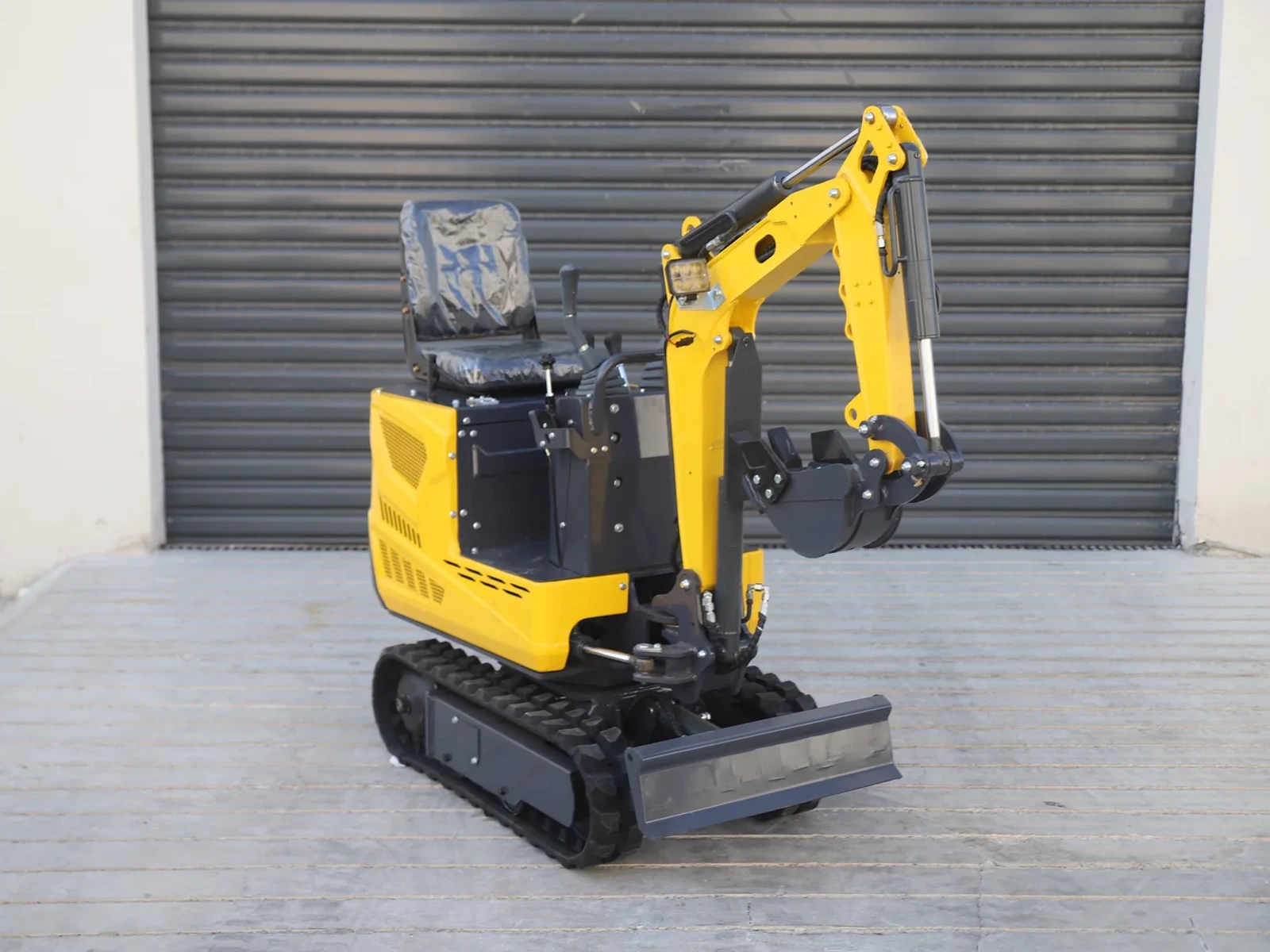 Mini Excavator 06Q
700 mm compact excavator with 1,200 mm digging depth, 360-degree swing, and application-ready attachment options for tight-space work.
View Product →
Mini Excavator 06Q
700 mm compact excavator with 1,200 mm digging depth, 360-degree swing, and application-ready attachment options for tight-space work.
View Product →
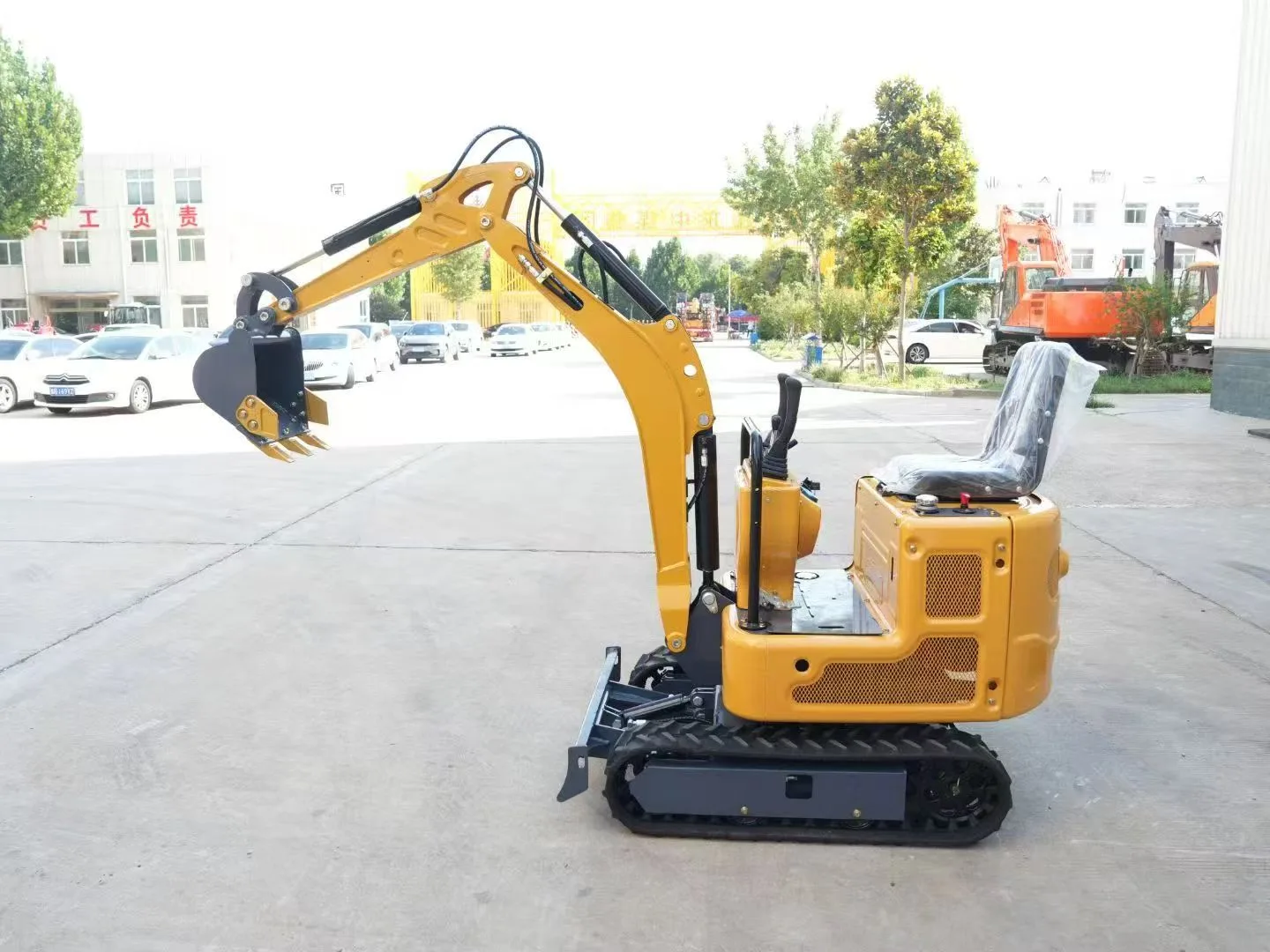 Mini Excavator 12Q
925 mm compact excavator with 1,700 mm digging depth, 2,900 mm digging radius, and an 8 kW standard engine.
View Product →
Mini Excavator 12Q
925 mm compact excavator with 1,700 mm digging depth, 2,900 mm digging radius, and an 8 kW standard engine.
View Product →