Best Mini Excavator: Choose the Right Machine for Your Work
The best compact excavator is not automatically the biggest, cheapest, or most powerful. It is the machine that can enter your site, complete the required dig, carry the right tool, and move between jobs without creating a new problem.

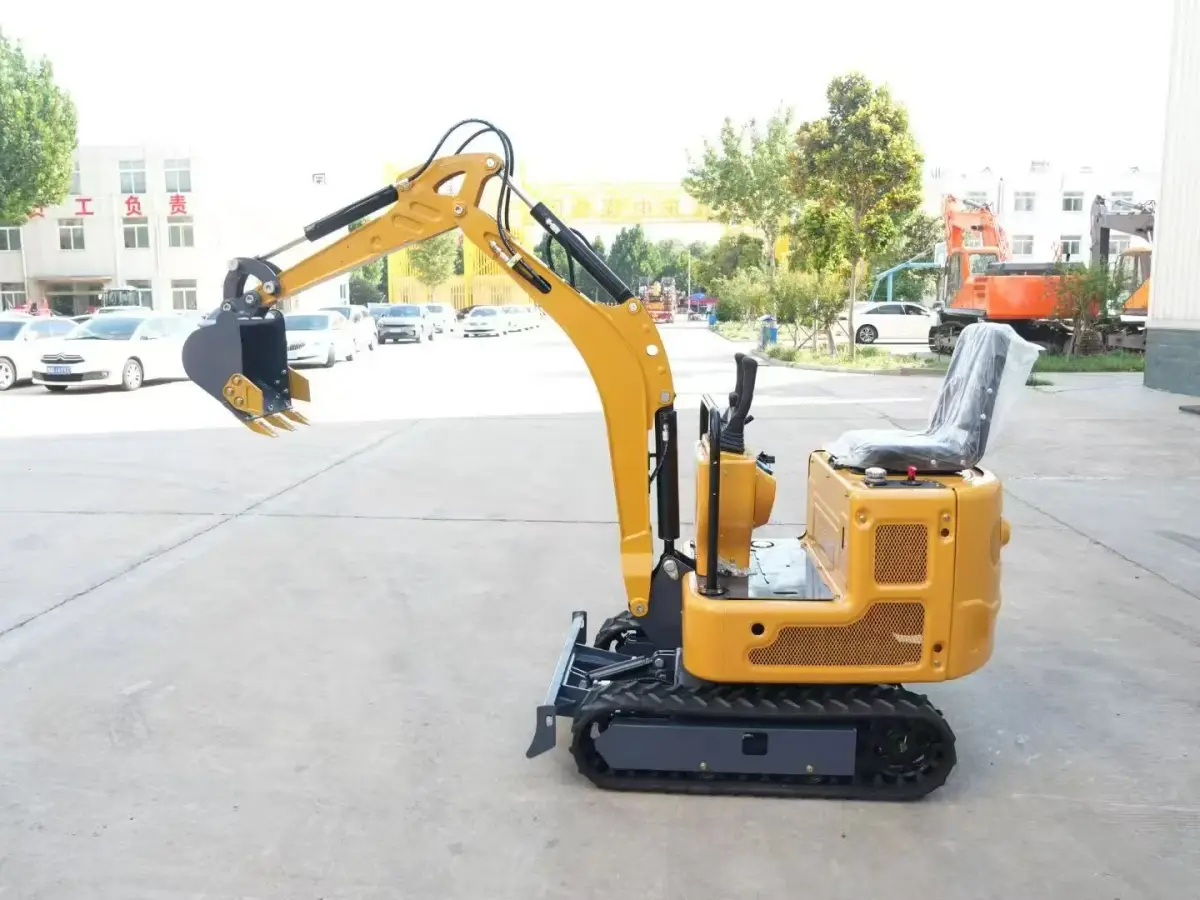
Direct answer: the best mini excavator is the smallest machine that passes six tests: access, working range, stability, transport, attachment compatibility, and after-sales support. If a machine fails any one of them, a low price or familiar brand name will not make it right for the job.
There is no single best mini excavator for every buyer. A machine that is ideal for a gated backyard may be too small for repeated deep trenching, while a stronger machine may create transport or access problems. The useful question is: which machine completes my recurring work with the fewest compromises?
Use the filters below in order. First eliminate machines that cannot enter or do the required work. Then compare productivity, attachments, supplier evidence, and price. If you are already shopping, TerraCub's mini excavators for sale page provides the commercial model comparison; this guide explains how to build the shortlist.
Job-to-machine decision table
| Selection gate | Record before comparing | Reject a machine when | Why it matters |
|---|---|---|---|
| 1. Access | Narrowest width and height, tightest turn, slope, unloading point | Its real transport envelope does not clear the complete route | A machine that reaches the gate but not the work area is unusable |
| 2. Working range | Required depth, reach, dump height, lift, and material | The job sits at or beyond its published limit | Maximum figures are boundary values, not a productivity promise |
| 3. Stability and ground | Slope, edge distance, surface condition, and planned load | The configuration cannot be supported for the intended task | Tool mass, reach, and ground condition change the stability margin |
| 4. Transport | Configured machine, attachment, trailer, restraints, and tow limits | The complete combination exceeds any applicable limit | Bare machine weight is not the load you actually move |
| 5. Tool compatibility | Mount, tool mass, flow, pressure, return line, and controls | The supplier cannot confirm the exact machine-tool pairing | A coupler that connects does not prove hydraulic compatibility |
| 6. Support | Manuals, parts list, warranty path, and response process | Specifications or ownership support cannot be documented | Downtime can cost more than the initial price difference |
1. Measure access before comparing power
Do not stop at the gate width. Measure from the unloading point to the final digging position: doors, corridors, corners, overhangs, slopes, and fragile surfaces. Check the machine in its transport configuration, including the blade, tracks, rollover structure, and fitted attachment. A nominally narrow machine may still be unable to make a turn or pass under an obstruction.
Then measure the work area. The upper structure, boom, and bucket need room to move, and the operator needs somewhere to place spoil or load another machine. Bobcat's official overview identifies machine size, digging depth, lift capacity, and attachment needs as connected selection factors. JCB's selection guidance likewise starts with matching machine dimensions to site access.
Write down the complete route: unloading point → gate or door → tightest turn → work area → spoil or loading position. At every stage, record width, height, slope, surface condition, and overhead restrictions. Leave practical clearance instead of planning around a zero-margin fit.
2. Match digging depth, reach, and material
Start with the trench or excavation profile, not a brochure headline. Record the required depth over the full length of the cut, how far the machine must reach without repositioning, and the height needed to clear a truck or spoil pile. If the job includes pipes, rocks, or demolition debris, record the expected load and handling radius as well.
Bobcat's compact-excavator selection guidance treats operating weight, maximum digging depth, dump height, reach, bucket capacity, engine power, and hydraulic flow and pressure as separate factors. One strong specification does not compensate for a weak working envelope.
Material also changes the task. Loose topsoil, wet clay, compacted fill, roots, and broken concrete demand different buckets, forces, and cycle times. Send the supplier photos and a plain-language material description. For trench work, identify underground installations before excavation and protect exposed utilities as required; OSHA's excavation guidance describes these controls for U.S. worksites. Follow the rules that apply where the machine will operate.
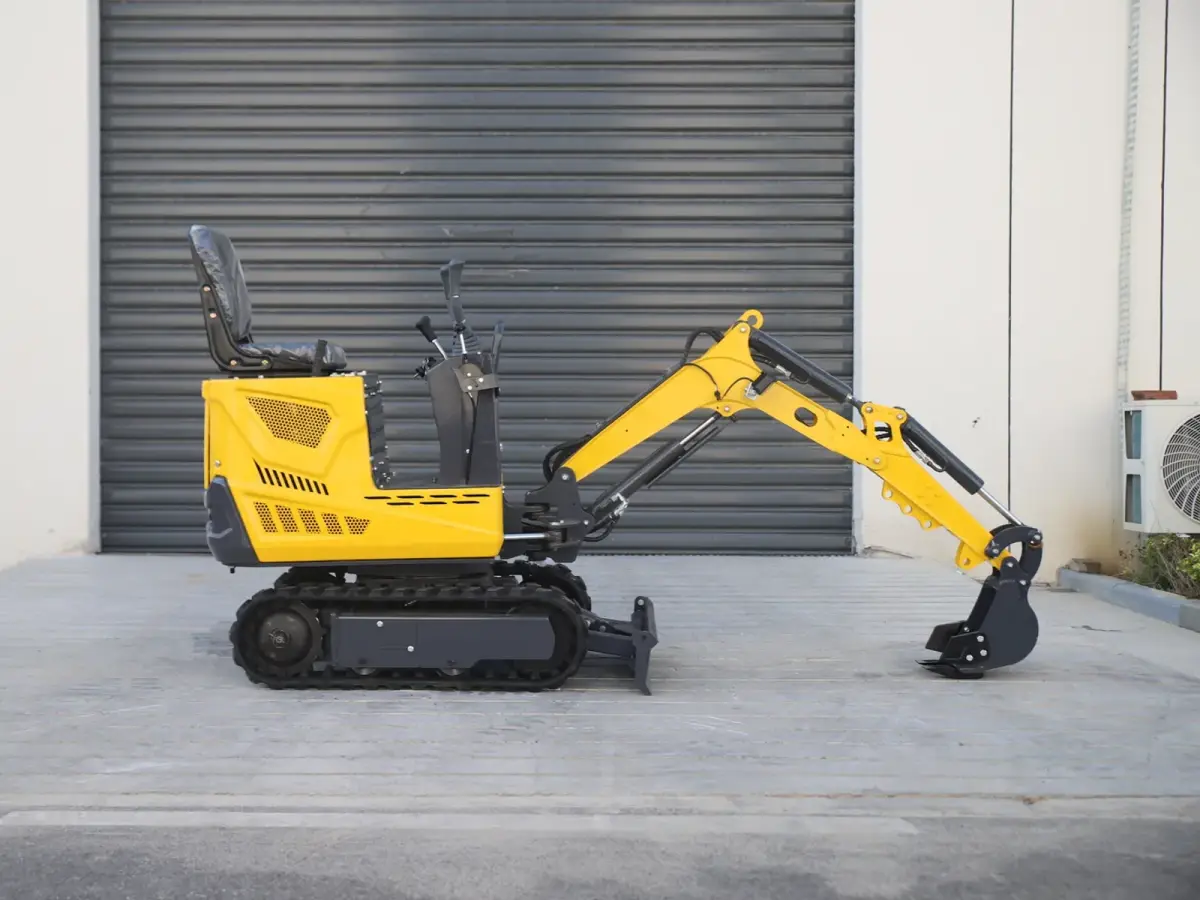
3. Check operating weight, transport, and ground conditions
Ask for the operating weight of the machine exactly as supplied, then build the transport calculation around the complete load: fitted bucket or attachment, fluids, accessories, trailer, and restraints. Compare that result with the tow vehicle, hitch, trailer, and axle ratings, plus the rules in the destination market. Do not substitute a dry or base-machine figure for the transported configuration.
After unloading, assess the ground separately. Rubber tracks may reduce surface disturbance in some conditions, but they do not make a weak edge, steep slope, suspended slab, or saturated ground safe. For lifting or extended-reach work, ask for the applicable load information and confirm the planned setup with the responsible competent person.
4. Choose attachments as a system
A hammer, auger, ripper, grapple, rake, or larger bucket can turn one carrier into several working tools. But “available” is not the same as “compatible.” Confirm the coupler or pin dimensions, attachment mass, auxiliary hydraulic flow and pressure, return-line requirements, and control method for the exact machine configuration.
Request the match in writing. A tool may physically connect yet exceed the carrier's hydraulic specification or reduce stability at the required reach. If one attachment is essential to the business, size the carrier around that hardest recurring tool task rather than around the standard digging bucket.
5. TerraCub 06Q vs 12Q: two selection examples
These two models show how the filters change the answer. They are selection examples, not a universal ranking. Compare their confirmed specifications with your measured route and required working range.
| Confirmed specification | 06Q | 12Q |
|---|---|---|
| Overall / transport width | 700 mm | 925 mm |
| Operating weight | 660 kg | Ask TerraCub to confirm for selected configuration |
| Maximum digging depth | 1,200 mm | 1,700 mm |
| Maximum digging radius | 2,354 mm | 2,900 mm |
| Best starting point | Very narrow access, lighter transport, compact trenching | More depth and reach while retaining a compact footprint |
Choose the 06Q mini excavator as the starting candidate when a 700 mm route is essential and its 1,200 mm digging depth covers the job. Move to the 12Q compact excavator when the route clears 925 mm and the task needs its greater confirmed depth or radius. If the job exceeds either working envelope, reject both and specify a different machine.
The 12Q operating weight is deliberately not estimated here. A model name is not a verified weight class; request the configuration-specific figure before planning transport or lifting.
6. Final mini excavator selection checklist
- Describe the recurring work: trench dimensions, material, lift or loading tasks, daily cycles, and working environment.
- Measure the complete route: width, height, corners, slopes, surfaces, and unloading space.
- Set pass/fail working limits: depth, radius, dump height, load, bucket, and stability requirements.
- Calculate the transported configuration: machine, fitted tool, accessories, fluids, trailer, and restraints.
- Verify every attachment in writing: mounting, mass, hydraulic flow, pressure, return line, and controls.
- Compare ownership support: operator and parts manuals, consumables, spare-parts lead time, warranty process, and technical response.
- Ask for evidence tied to the quoted configuration: specification sheet, current photos or video, component details, inspection points, packing method, and delivered terms.
Is there a best mini excavator brand?
A credible brand should make the machine easier to verify and support. Look for a configuration-specific specification sheet, identifiable major components, operator and parts documentation, a clear warranty process, realistic spare-parts supply, and a technical contact who answers exact questions.
Use the same request sheet for every supplier, then compare the evidence line by line. The best mini excavator brand for your operation is not simply the most familiar name; it is the supplier that can prove the machine fits the job and explain how it will be supported where you operate.
Match a mini excavator to your job
Send TerraCub your narrowest access width, required digging depth and radius, ground conditions, attachments, destination, and quantity. We can compare the current 06Q and 12Q configurations without guessing from a model name.
Request a configuration quoteFrequently asked questions
What is the best mini excavator?
The smallest machine that clears the site and still meets the required digging, stability, hydraulic, attachment, transport, and support needs.
What size mini excavator do I need?
Start with access width and required digging depth. Then confirm operating weight, reach, material, lift, hydraulics, transport, and the jobs performed most often.
Is a smaller machine always better for narrow access?
No. Access is the first filter, but an undersized machine may lack the reach, stability, force, or attachment capacity needed to finish efficiently.
Should I choose by horsepower?
No. Treat power as one specification within the complete system. Width, weight, digging geometry, hydraulics, stability, attachment fit, and support can be more decisive.
What information should go in a quote request?
Include access dimensions, dig requirements, material, tools, transport constraints, annual use, destination, quantity, documentation, and spare-parts expectations.
Sources and further reading
- Bobcat: key factors when choosing a compact excavator
- Bobcat: compact excavator uses and selection factors
- JCB: how to choose the right mini excavator
- OSHA: excavation standard enforcement guidance
Related pages
Recommended Products
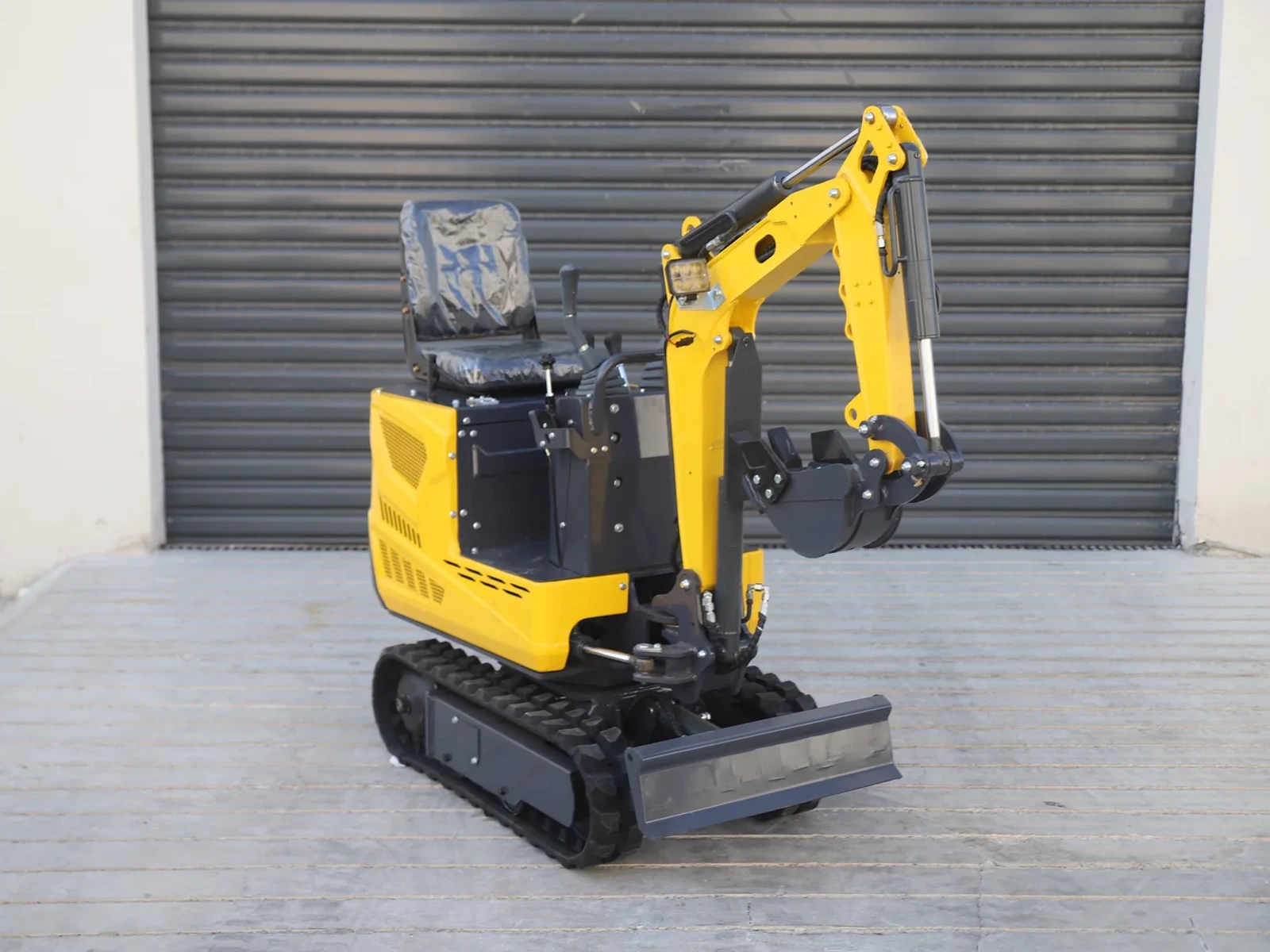 Mini Excavator 06Q
700 mm compact excavator with 1,200 mm digging depth, 360-degree swing, and application-ready attachment options for tight-space work.
View Product →
Mini Excavator 06Q
700 mm compact excavator with 1,200 mm digging depth, 360-degree swing, and application-ready attachment options for tight-space work.
View Product →
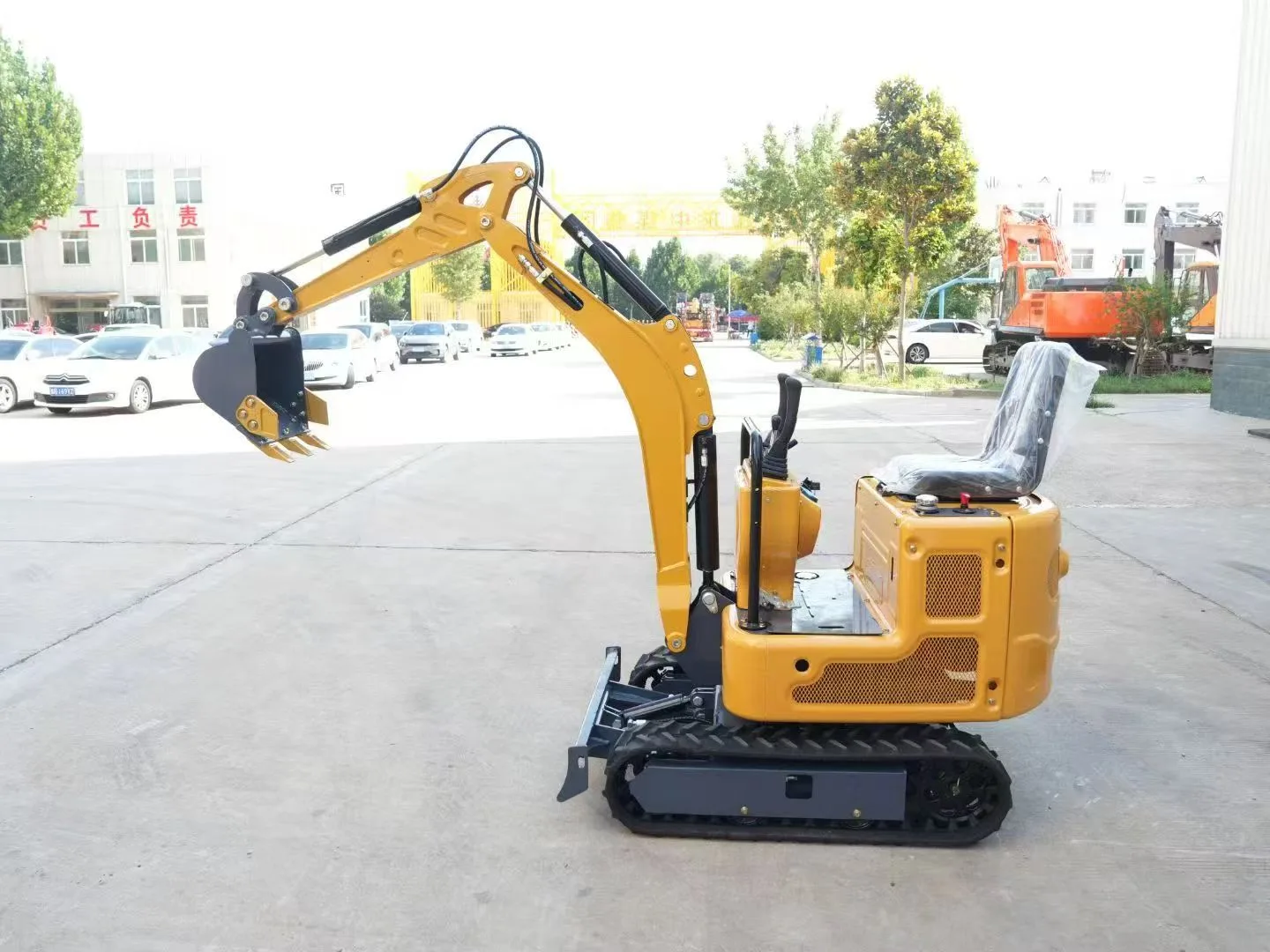 Mini Excavator 12Q
925 mm compact excavator with 1,700 mm digging depth, 2,900 mm digging radius, and an 8 kW standard engine.
View Product →
Mini Excavator 12Q
925 mm compact excavator with 1,700 mm digging depth, 2,900 mm digging radius, and an 8 kW standard engine.
View Product →