Petrol vs Electric Mini Dumper: Pros, Cons & Buying Guide
Petrol vs electric mini dumper comparison covering price, runtime, payload, indoor use, and how buyers should choose the right machine for real jobsites.

TerraCub Engineering Team
Compact Equipment Team · Since 2015
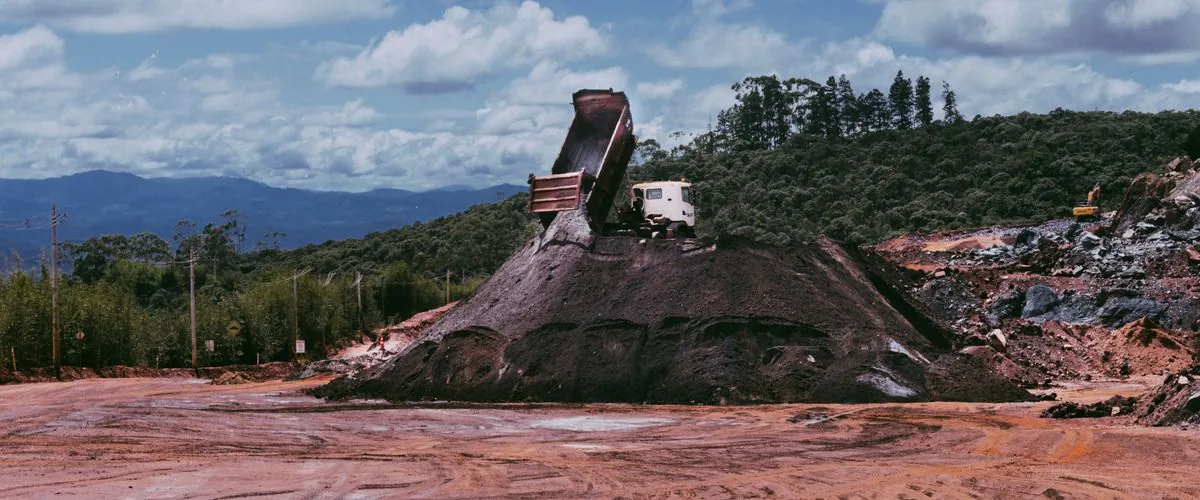
Petrol mini dumpers are usually better for long outdoor shifts, remote sites, and buyers who need low upfront cost plus instant refuel-and-go recovery. Electric mini dumpers are usually better for indoor or partially enclosed work, noise-sensitive jobs, and sites where overnight charging is easy. If you compare the wrong machine classes, the conclusion gets silly fast. So does the purchasing mistake.
The powertrain changes the job plan before it changes the machine
The basic task stays the same: move spoil, stone, soil, concrete, debris, or feed from one place to another. What changes is the operating logic. Petrol gives you noise, exhaust, and fast refuel. Electric gives you lower noise, zero tailpipe emissions, and a new dependency called charging discipline. That dependency is either a minor routine or a very expensive surprise.
If the work happens indoors or in a partially enclosed area, the decision narrows quickly. The CDC warns against using gasoline-powered engines inside buildings or partially enclosed spaces because carbon monoxide can build up rapidly. That is not a lifestyle preference. That is basic survival on site.
Current TerraCub lineup: TerraCub's public range is petrol tracked dumpers today, from the Compact 500 up to the Lift 1000 and rotary PIVOT 1200. This comparison is meant to help buyers decide whether their next brief should stay petrol or move electric.
The TerraCub jobsite fit matrix is more useful than a generic pros-and-cons list
Most comparison articles list advantages in tidy columns, then leave the buyer alone with a bad decision. A better method is to match the powertrain to the site constraint. That is the first unique asset in this guide because it reflects the real buying sequence: job first, machine second.
| Jobsite condition | Petrol mini dumper | Electric mini dumper | Better fit |
|---|---|---|---|
| Indoor or basement work | Exhaust makes this a poor choice | Zero tailpipe emissions and lower noise | Electric |
| Open outdoor site, full-day hauling | Fast refuel and stronger long-shift flexibility | Charge planning becomes critical | Petrol |
| Residential landscaping near finished property | Works well, but noisier | Quieter around houses and crews | Electric if charge access exists |
| Remote farm, slope, or rough ground | Usually simpler to support and recover | Possible, but power access may be the real issue | Petrol |
| City-center renovation with time-of-day restrictions | May fail on noise or air-quality rules | Often the cleaner compliance choice | Electric |
| Lowest possible upfront budget | Usually cheaper in tracked professional classes | Only cheaper when comparing light-duty wheel types | Petrol |
This matrix also explains why the same buyer can reasonably choose electric for one crew and petrol for another. The machine does not care about ideology. It cares about gradients, gates, chargers, and how organized the site is. Sometimes that is the most political thing on site.
Price is the first filter, not the right final answer
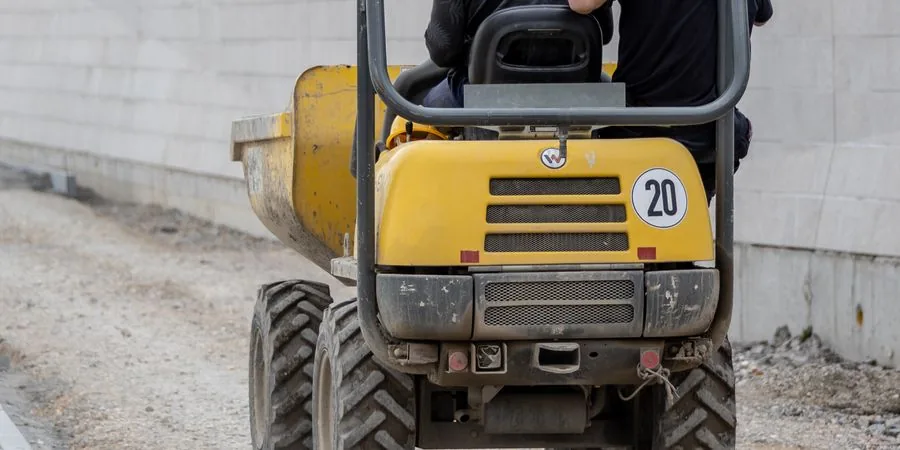
Buyers ask about price first because it is visible. That makes sense. It also causes bad comparisons because the cheapest electric listing is often not in the same machine class as the petrol tracked dumper it is being compared with. A light four-wheel electric mini dumper is not secretly a Lift 500 in a quieter mood.
The second unique asset in this guide is a simple price ladder. It combines current Alibaba marketplace signals with TerraCub's own petrol lineup so buyers can see where the ranges separate rather than pretending all mini dumpers live in one neat bucket.
| Machine class | Current pricing signal | What that usually means |
|---|---|---|
| Light electric wheel or barrow type | $660-$900+ on Alibaba at higher volumes | Entry-level electric, usually wheel-type, often not a tracked professional site dumper |
| Light electric four-wheel mini dumper | $999-$1,299 in volume tiers | Still light-duty relative to professional tracked construction machines |
| Petrol tracked 500 kg class | Around $2,500 for TerraCub Compact 500 | Professional tracked entry point, 700 mm chassis, Briggs & Stratton petrol engine |
| Petrol tracked 500 kg high-tip class | Around $3,500 for TerraCub Lift 500 | Tracked dumper with elevated discharge for mixers, forms, and scaffold work |
| Petrol tracked 1,000-1,200 kg class | Around $5,500 for Lift 1000 and around $4,200 for PIVOT 1200 | Heavy-duty tracked site machines for harder work |
| Electric 1-1.5 ton buyer-guide tier | $5,000-$9,000 entry tier on Alibaba's guide | Professional electric starts becoming serious money once payload and battery scale up |
The pattern is clear. Electric can look cheaper at the very bottom because some listings are lighter wheel-type machines and some price bands assume larger-volume orders. But once you move into serious jobsite capacity, tracked professional petrol usually wins the purchase-price fight. Electric only wins that fight when the site restrictions are expensive enough to matter more than the sticker. They often are. They are just not printed on the invoice.
"The most expensive mini dumper is the one bought on the wrong comparison. A buyer who chooses a $900 electric wheel-type unit instead of a $2,500 tracked petrol dumper for rough-site work has not saved $1,600. They have simply prepaid for frustration, slower cycles, and a second purchase. The reverse mistake also happens when a petrol machine is bought for basement work that should never have seen petrol at all."
Need the tracked benchmark before you compare?
Start with the petrol baseline. The Compact 500, Lift 500, and Lift 1000 show what a practical tracked dumper budget looks like before electric enters the conversation.
View TerraCub spec tablePerformance means payload, runtime, recovery, and slope behavior
Petrol still wins the recovery contest. When the tank runs low, you refill and keep moving. Electric wins the noise contest, the indoor-safety contest, and often the maintenance-simplicity contest. The catch is that runtime is a shift-planning problem, not a headline-number problem.
Wacker's DT10e is a good marker because it sits in a serious class: 1,000 kg payload, manufacturer-stated 8-hour runtime, and roughly 8 to 10 hours charging depending on the machine setup and charging plan. Wacker's electric dumper range also includes the DT05e at 500 kg. That tells you electric can already cover genuine compact-site work. It just does not remove the planning burden.
On the heavier end, Alibaba's own electric dumper guide groups 1 to 1.5 ton electric units into a $5,000 to $9,000 entry tier. That lines up with the broader market story: electric is no longer a toy category, but it is still a category where battery size and charge management are part of the machine's real spec. A petrol dumper has its own weaknesses, but "forgot the charger" is not one of them.
| Factor | Petrol | Electric |
|---|---|---|
| Refuel or recharge speed | Very fast recovery | Slow unless the work pattern suits the charge window |
| Noise | Higher | Lower |
| Indoor suitability | Poor | Strong |
| Routine engine maintenance | More service points | Fewer engine-related tasks |
| Remote-site flexibility | Stronger | Depends on power access |
| Upfront cost in tracked professional classes | Usually lower | Usually higher |
That is why the practical question is not "Which is more advanced?" It is "Which one lets my crew finish the shift without inventing new problems?" Technology is useful. Finished work is better.
Construction, landscaping, and interior work are not asking the same machine to solve the same problem
Interior demolition and basement strip-outs
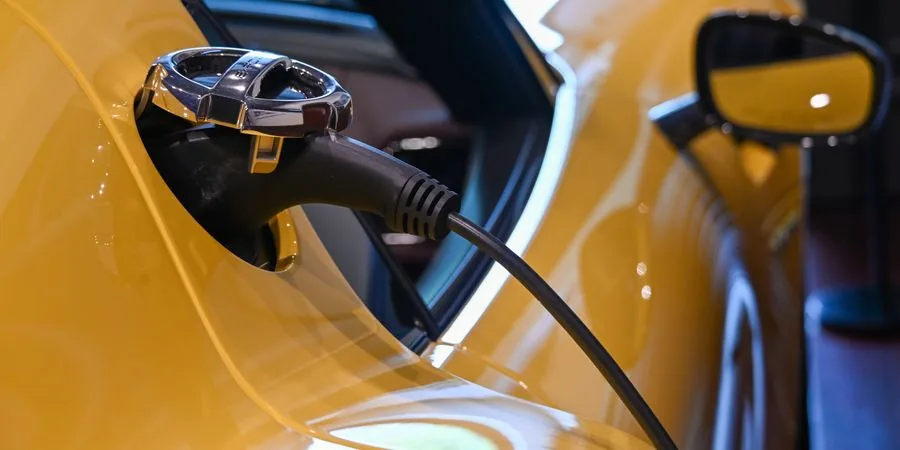
This is the most obvious electric case. Exhaust risk matters. Noise matters. The site often has predictable daily access and power. If the payload target can be met by the electric unit and the charge window is real, electric is usually the cleaner answer in every sense that matters.
Residential landscaping and finished-property work
Electric gets stronger here because noise travels, neighbors complain, and lighter cycles are common. That said, electric mini dumpers only stay attractive if the slope and haul distance are reasonable. A beautiful battery story can still end with two laborers pushing a dead machine uphill. Team building is overrated.
Open construction sites and concrete crews
Petrol keeps winning when the crew is outside all day, the route is messy, and the machine must be back at work immediately after a stop. The Lift 500 and Lift 1000 exist for exactly this type of task: concrete, masonry, forms, slopes, mud, and repeated discharge into elevated positions.
Urban public works and restricted environments
Electric becomes commercially sensible when the site rules make petrol awkward or non-compliant. Wacker markets its electric range directly into restricted and protected environments for a reason. Those jobs are buying access as much as they are buying a dumper.
Choose by answering seven uncomfortable questions before you ask for a quote
- Is the work indoors, partially enclosed, or fully open-air? This question can settle the argument early.
- What payload do you need per cycle? Compare like with like. Do not compare a light electric wheel dumper with a 500 kg tracked dumper and call it analysis.
- How many working hours must the machine cover without drama? The last hour of the shift matters more than the first sales photo.
- Can the site actually charge the machine where it sleeps? If not, electric may still work, but it is no longer convenient.
- What is the recovery plan when the machine runs low? Fuel can, spare battery, faster charger, or creative regret.
- Are noise and emissions commercial constraints? If yes, electric's higher price may still be the cheaper answer overall.
- Do you need tracks, lift height, or rotary discharge? The dump mechanism may matter more than the powertrain.
Buyers who answer those seven questions honestly usually reach the right category quickly. Buyers who skip them end up comparing slogans, and slogans have excellent margins.
Need a tracked petrol quote benchmark?
Send the payload, access width, dump height, and target market. TerraCub can quote the Compact 500, Lift 500, PIVOT 1200, or Lift 1000 against the application instead of guessing from a headline.
Request a QuoteWe answer faster when the brief includes gate width. It saves everybody a dramatic second email.
Use the machine you bought correctly or the comparison was pointless
- Match load to rated capacity. Overloading makes petrol thirstier and electric shorter-winded. Neither outcome is interesting.
- Plan the route. Slope, surface, and turns change cycle time more than a spec summary does.
- For electric, treat the charger as part of the machine. The charger is not optional kit. It is part of the operating system.
- For petrol, respect ventilation and fueling discipline. Especially around enclosed or semi-enclosed work.
- Choose the right dumping mechanism. Standard dump, high-tip, and rotary solve different site bottlenecks.
This is where buyers often rediscover that the powertrain was only half the choice. The other half was workflow. Workflow is less glamorous, but it has an unfair habit of deciding whether the purchase was clever.
Most buying mistakes happen before the order, not after delivery
- Comparing wheel-type electric units against tracked petrol units and calling the prices equivalent.
- Ignoring indoor exhaust limits until the machine is already on site.
- Buying electric without a real charging routine.
- Buying petrol for a site where lower noise would have won more jobs.
- Focusing on powertrain while ignoring dump style, chassis width, and lift height.
- Using Alibaba volume-tier pricing as if it were a final landed price for one machine.
The last point matters. Marketplace pricing is useful as a signal, not as a complete buying answer. Engine brand, battery chemistry, charging hardware, and after-sales support can move the real number quickly. Price is easy to quote badly. Good buyers try not to help.
FAQs
Which one is cheaper to buy?
Which one is cheaper to run?
Is electric automatically better for landscaping?
Why do some electric mini dumpers look very cheap on Alibaba?
When should I start with a petrol benchmark quote?
What is the safest short rule to remember?
Further Reading
Recommended Products
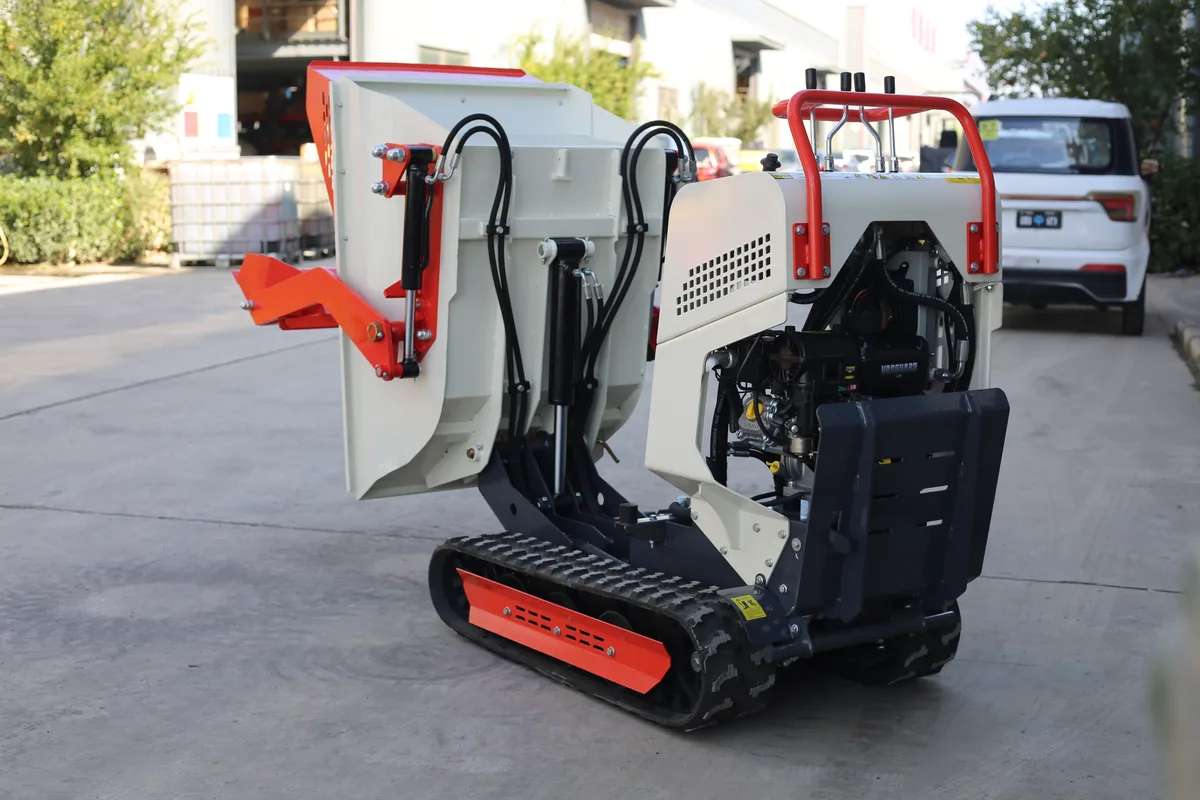 Small Dumper Truck 500kg
Entry-level tracked dumper. Passes through standard residential gates. Ideal for garden work, landscaping, and light construction.
View Product →
Small Dumper Truck 500kg
Entry-level tracked dumper. Passes through standard residential gates. Ideal for garden work, landscaping, and light construction.
View Product →
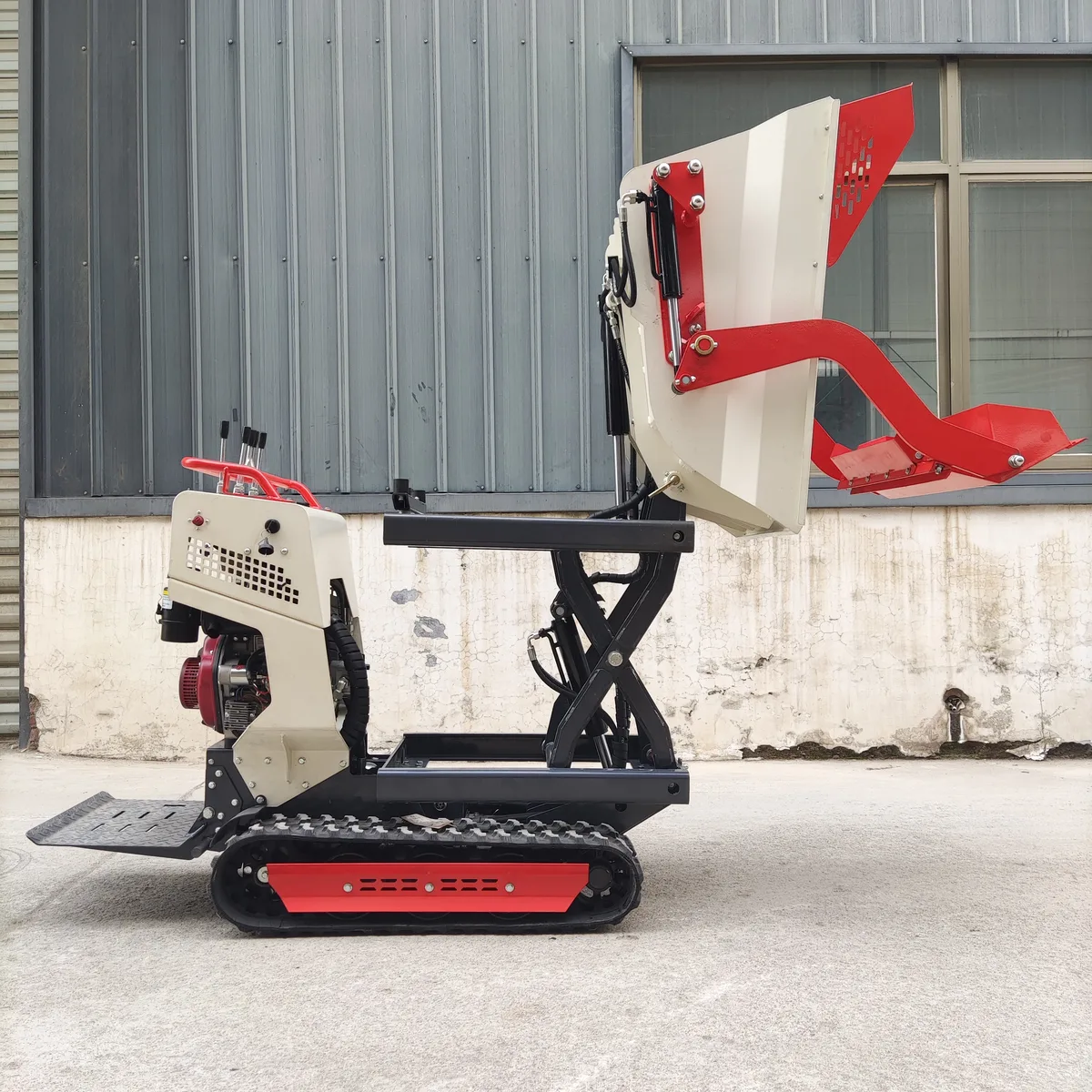 High Tip Mini Dumper
Same narrow 700 mm body. Lifts the bucket to 1,200 mm, enough to dump over scaffolding, into mixers, or above formwork.
View Product →
High Tip Mini Dumper
Same narrow 700 mm body. Lifts the bucket to 1,200 mm, enough to dump over scaffolding, into mixers, or above formwork.
View Product →
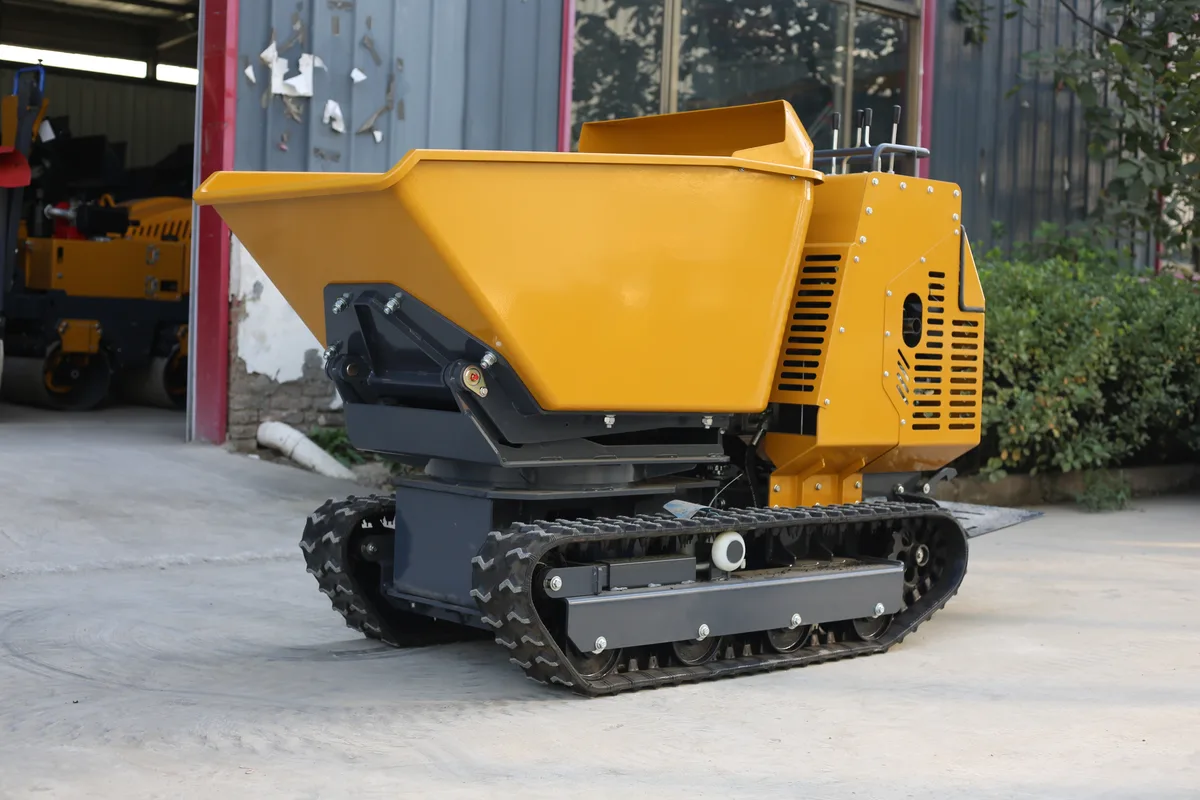 Rotary Dump Mini Dumper
2.4x the payload. Rotary base dumps in any direction without repositioning. Built for commercial sites and heavy excavation.
View Product →
Rotary Dump Mini Dumper
2.4x the payload. Rotary base dumps in any direction without repositioning. Built for commercial sites and heavy excavation.
View Product →