Stand-On Skid Steer Prices: Compare New, Used and Direct-Import Costs
A useful price comparison starts after the advertised number. Put the machine, attachments, freight, import scope, arrival preparation, support, and risk reserve into one budget before choosing a buying path.

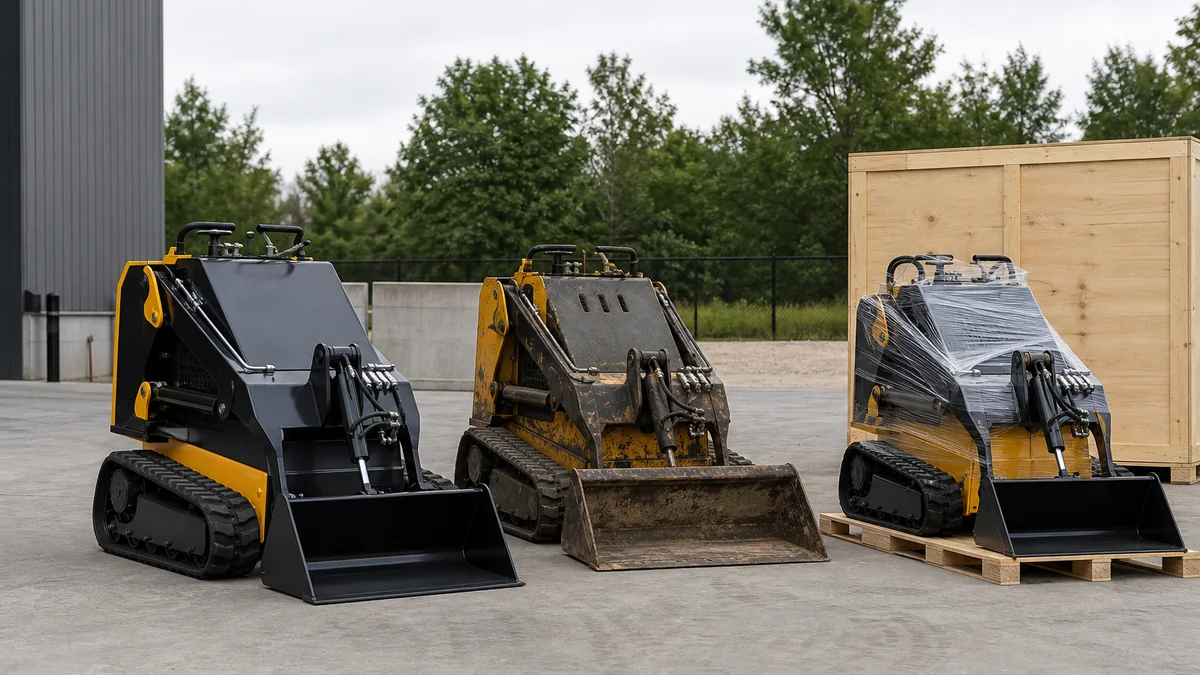
Direct answer: a stand-on skid steer price is only comparable when every option covers the same machine class, attachments, destination, and ready-to-work condition. A new dealer machine may bundle local setup and support. A used machine needs condition evidence and a repair reserve. A direct-import quote needs a documented Incoterm, packing, freight, import, inland-delivery, setup, and parts plan. Do not choose from the lowest advertised number; choose from the lowest acceptable total for the work and risk you can support.
Define where the price comparison starts and stops
“Stand-on skid steer” can describe different compact loader sizes, wheel or track systems, engines, hydraulic packages, lift arrangements, and operator platforms. Listings also stop at different commercial points. One number may be the machine at a factory. Another may include a bucket, dealer preparation, and delivery. A third may be a used auction result before buyer fees, tax, transport, inspection, or repairs.
Write one comparison boundary before collecting prices. For most buyers, the useful boundary is delivered, inspected, configured for the named attachments, and ready for the first planned job. Keep financing, tax treatment, insurance, labor, and resale in a separate ownership model unless every option uses the same assumptions. That prevents a purchase comparison from becoming a collection of incompatible estimates.
Scope rule: record the date, seller, currency, exact model/configuration, included equipment, commercial term, destination, and exclusions beside every number. If one field is unknown, keep it visibly unknown instead of entering zero.
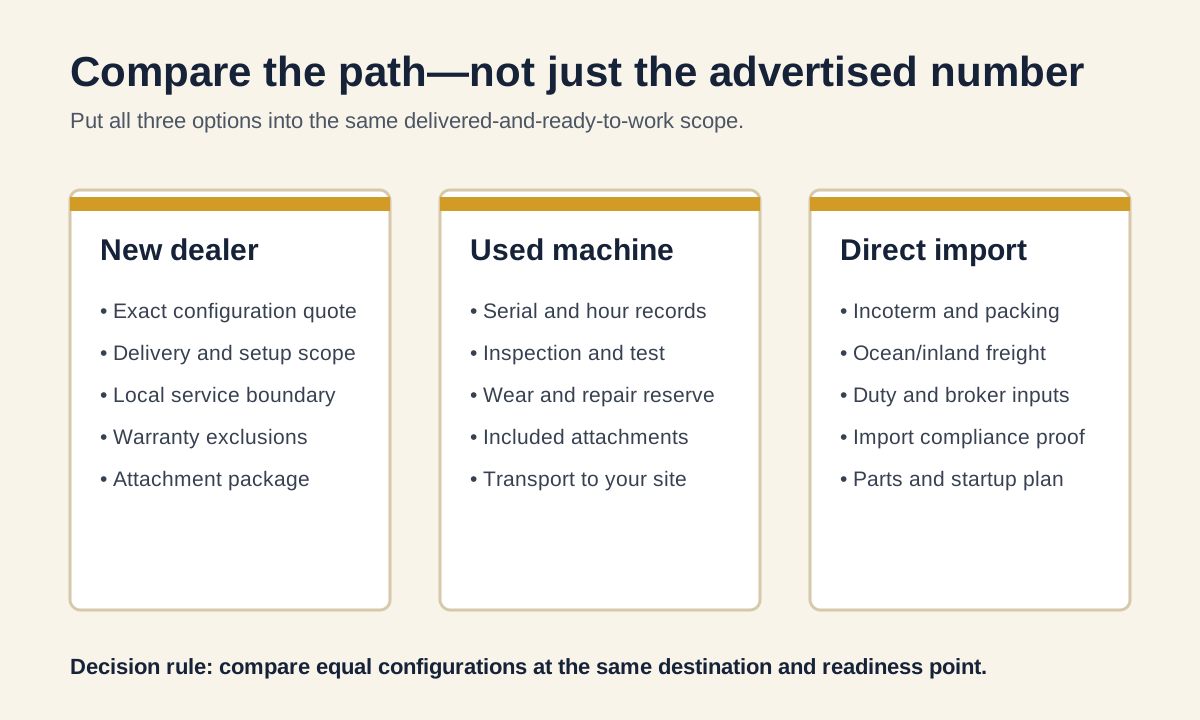
New, used, and direct import solve different parts of the risk
A new dealer purchase usually makes local delivery, preparation, training, warranty administration, and parts access easier to evaluate, but none of those services should be assumed. Ask what is included, who performs it, and what events or travel fall outside the agreement.
A used machine can reduce the initial purchase amount, especially when a buyer accepts age, hours, cosmetic condition, or an older configuration. Its comparison depends on serial-level records, operating hours, cold start, hydraulic performance, leaks, wear, safety devices, attachment interface, and the cost of known work. A marketplace description is not an inspection.
A direct-import machine can provide more control over the selected configuration and factory package. It also transfers more coordination to the buyer or importer of record. The quote needs to identify the commercial term, shipment scope, documents, applicable engine/emissions evidence, packing, broker inputs, unloading, commissioning, and support plan before the landed total is usable.
Build the quote-to-landed budget in six layers
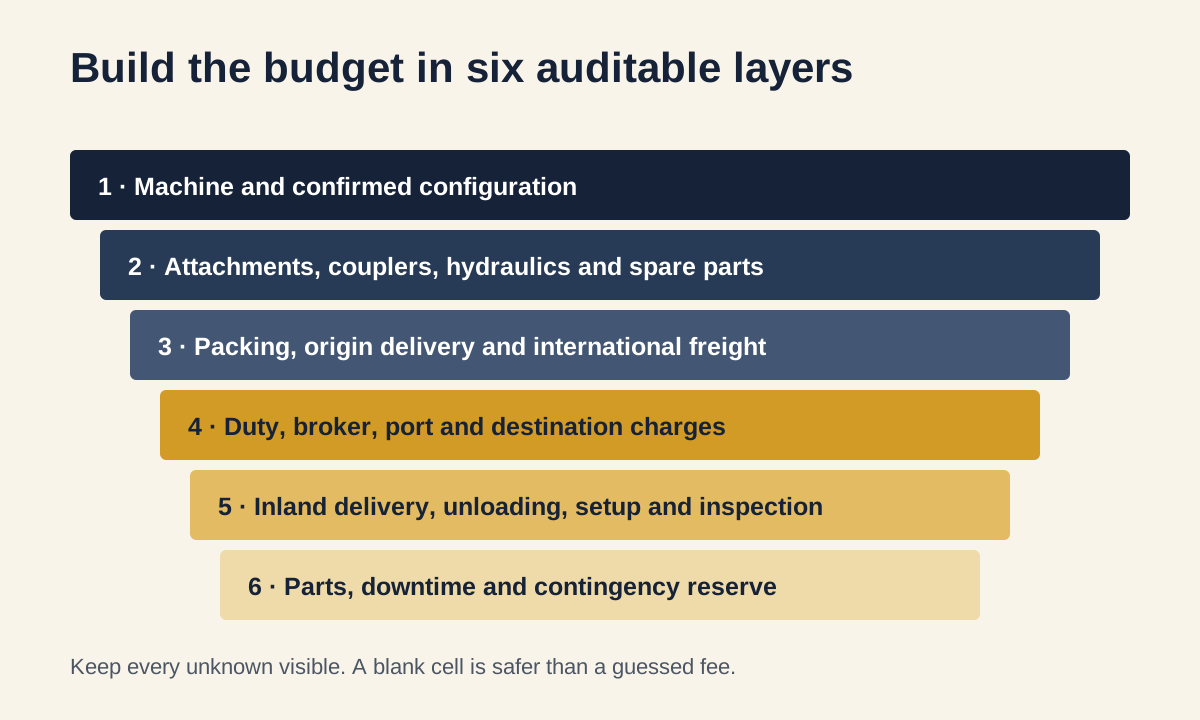
Use a cost stack that can accept a written quote in every row. This is more defensible than applying one universal percentage to a factory or auction number.
| Layer | Include | Evidence | Common mistake |
|---|---|---|---|
| Machine | Exact model, engine, track/wheel system, capacity, hydraulics, platform, bucket | Signed configuration and serial/build record | Comparing different classes or bare versus equipped machines |
| Work tools | Attachments, coupler, hoses, electrical kit, spare wear parts | Itemized fitment-approved list | Adding tools after selecting the cheapest machine |
| Origin and freight | Packing, origin handling, international transport, insurance when purchased | Incoterm and carrier/forwarder quote | Calling an EXW or FOB figure “delivered” |
| Import and destination | Classification review, applicable duty, broker, port/terminal, examination and storage exposure | Broker estimate with assumptions | Copying another buyer’s duty or port bill |
| Arrival readiness | Inland delivery, unloading, assembly, fluids, inspection, testing and training | Named provider and acceptance checklist | Stopping the budget at the port or yard |
| Support reserve | Initial filters/parts, known repairs, downtime contingency and unsupported items | Parts list, inspection findings and stated assumption | Treating missing evidence as zero cost |
For a US import, the US Customs and Border Protection duty guidance directs importers to the Harmonized Tariff Schedule and cautions that the actual duty may differ from an informal estimate. CBP also explains that the commercial-invoice value can include specified additions such as packing, assists, royalties, or selling commissions. Use a customs broker or qualified trade professional for the shipment; this guide does not assign a tariff classification or duty rate.
Equalize the machine and attachment configuration first
Price follows configuration. Record the job material, required lift and dump geometry, travel distance, access width, surface, slope, attachment duty, and transport limit. Then ask each seller to identify the exact machine that meets those inputs. Do not use engine power or rated capacity as a complete shortcut.
The attachment list is part of the machine comparison. Confirm coupler pattern, hydraulic flow and pressure, case drain, electrical connection, attachment mass and load center, and any operating restriction. TerraCub’s attachment compatibility and spare-parts page explains why a physical connection alone does not confirm operating fit. Use the mini skid selection guide when the machine class itself is still open.
- Access: narrowest gate, turns, overhead clearance, operator space, and attachment width.
- Production: material, target cycle, lift/dump requirement, travel distance, and expected utilization.
- Hydraulics: flow, pressure, case drain, controls, and electrical needs for every powered tool.
- Transport: actual operating weight with attachment, dimensions, ramps, trailer, tow vehicle, and tie-down plan.
- Support: manuals, parts list, filters, wear parts, diagnostic method, warranty boundary, and response route.
Make a used-machine budget from condition evidence
Start with machine identity: manufacturer, exact model, serial number, build year if documented, engine identity, and hours from a record you can evaluate. Ask for maintenance history and invoices, then inspect the machine rather than treating paperwork as proof that every system is healthy.
Review cold start, smoke or abnormal noise, leaks, controls, safety interlocks, lift and tilt response, auxiliary hydraulics, pins and bushings, hoses, coupler, tires or complete tracked undercarriage, structure, weld repairs, attachment condition, and load behavior within the manual. A remote video can document selected actions, but it cannot replace a competent in-person inspection when the purchase risk justifies one.
Used-price stop condition: if the seller cannot provide serial identity, usable inspection access, or enough evidence to bound a major engine, hydraulic, structural, or undercarriage risk, mark the repair reserve as unknown. Do not force the machine into the “cheapest” column.
Treat compliance and logistics as evidence gates for direct import
For US-bound equipment with a nonroad engine, confirm the applicable import route before payment. The US EPA publishes procedures and Form 3520-21 materials for importing nonroad engines, including engines installed in equipment. The correct declaration, certification, exemption, or exclusion depends on the actual engine and transaction. A seller statement such as “EPA ready” is not a substitute for the label, engine-family, model, build, and document evidence needed for review.
Ask the seller and forwarder to identify the Incoterm and named place, packing dimensions and gross weight, loading method, route, destination charges included or excluded, required documents, and responsibility at every handoff. Confirm who can receive, unload, assemble, inspect, and test the machine. Storage, detention, examination, redelivery, and rework are risk items; do not present them as certain charges if they have not occurred.
Use TerraCub’s Chinese skid steer importer guide for supplier, specification, documentation, inspection, parts, and warranty evidence. The current article owns the cost comparison only; it does not replace due diligence or legal advice.
Compare totals, unknowns, and support—not one headline price
Create one column for each option and one row for every cost layer. Add a source, observation date, validity period, currency, and status to every populated value. Convert currency with the same dated rate only after preserving the original quote currency. Keep taxes and finance terms outside the acquisition subtotal unless all options are being compared for the same buyer and jurisdiction.
| Decision field | New dealer | Used | Direct import |
|---|---|---|---|
| Exact configuration | Written build and included setup | Serial-level as-inspected configuration | Signed specification and attachment schedule |
| Delivered subtotal | Delivery point and exclusions | Purchase, fees, transport and known repairs | Machine through inland delivery and unloading |
| Ready-to-work items | Dealer prep, training and tools | Inspection, service and repairs | Assembly, fluids, inspection, testing and training |
| Support boundary | Dealer labor, travel and warranty limits | Seller responsibility and local service options | Remote support, parts lead time and local labor plan |
| Unknowns | Excluded services or options | Unverified wear and history | Variable freight/import/destination events |
| Decision | Lowest acceptable total after exclusions, evidence quality, and contingency—not lowest advertisement | ||
Send one quote brief to every supplier
The same input brief prevents sellers from solving different problems. Send the work, access, machine, attachment, destination, evidence, and support requirements together. Ask every seller to answer in the same order and identify every exclusion.
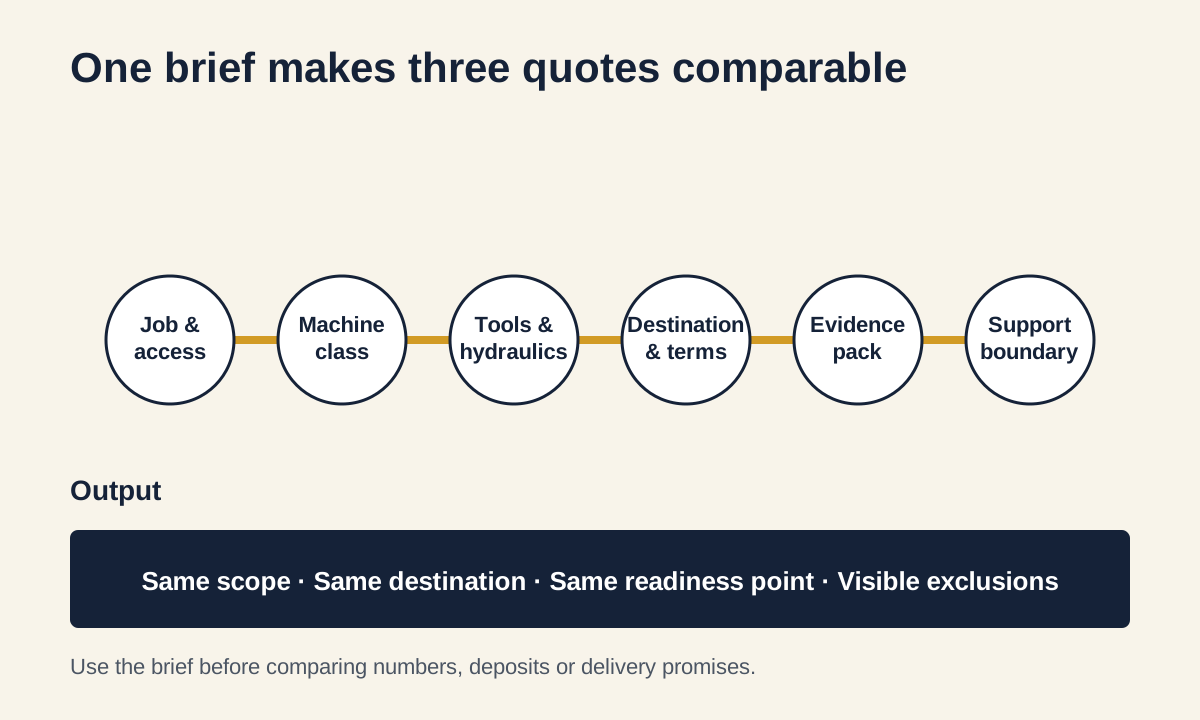
- Job: material, lift/dump target, cycle, utilization, surface, slope, and climate.
- Access: gates, turning space, overhead limits, route, and transport constraints.
- Machine: preferred wheel/track and operator format, capacity boundary, engine/emissions destination, and controls.
- Attachments: bucket and powered tools with hydraulic, electrical, coupler, and capacity requirements.
- Delivery: quantity, destination postal code/port, desired commercial term, unloading capability, and timing window.
- Evidence: configuration sheet, serial/build record, engine label/documents, packing data, photos, inspection/test records, manuals, parts list, and warranty terms.
- Support: commissioning, training, stocked/recommended parts, response method, exclusions, and local labor responsibility.
Review TerraCub’s skid steer loader range to identify a plausible class. Then send the completed brief through the quote path rather than asking for “best price” without a destination or job scope.
Build a comparable stand-on loader quote
Send TerraCub your job, access limits, attachment list, destination, quantity, document requirements, unloading plan, and support expectations. We can return a configuration-first quote with visible inclusions and exclusions.
Request a configuration quoteFAQs
How much does a stand-on skid steer cost?
There is no reliable single price without a machine class, engine and hydraulic configuration, attachments, delivery point, setup scope, and support boundary. Compare written quotes for the same configuration and calculate the delivered-and-ready-to-work total.
Is a used stand-on skid steer always cheaper than a new one?
No. A used purchase can have a lower acquisition price, but inspection, wear, immediate repairs, attachments, transport, and downtime reserve can change the first-year budget. Compare condition and evidence, not age alone.
What costs should be added to a direct-import skid steer quote?
Add confirmed attachments and spares, packing, origin delivery, international freight, applicable duty and broker charges, port or terminal charges, inland delivery, unloading, setup, inspection, and a documented contingency. The applicable fees depend on the shipment and destination.
Should attachments be included in the machine price comparison?
Yes. Compare the tools required for the actual job, together with coupler, hydraulic flow and pressure, electrical connection, rated capacity, and transport implications. A low machine-only price may not represent a usable work package.
What should I send TerraCub for a comparable quote?
Send the job and material, access limits, surface and slope, lift and travel cycle, required attachments, destination, quantity, emissions or documentation requirements, unloading plan, and expected parts and service support.
Sources used in this guide
Recommended Products
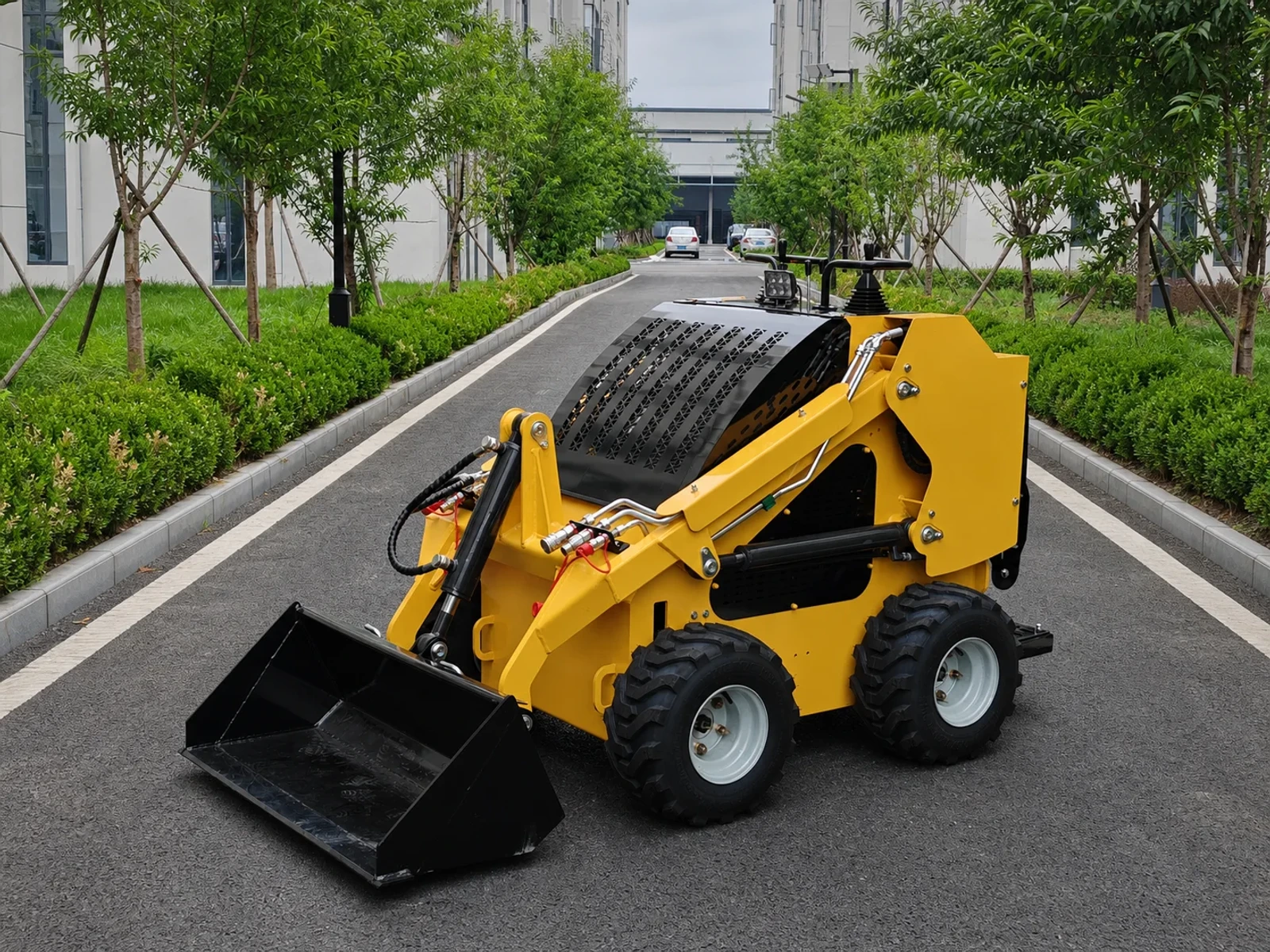 Wheeled Skid Steer Loader S480
Wheeled loader with 350 kg rated load, 0.1 m3 bucket, and high-tip angles for small-site loading work.
View Product →
Wheeled Skid Steer Loader S480
Wheeled loader with 350 kg rated load, 0.1 m3 bucket, and high-tip angles for small-site loading work.
View Product →
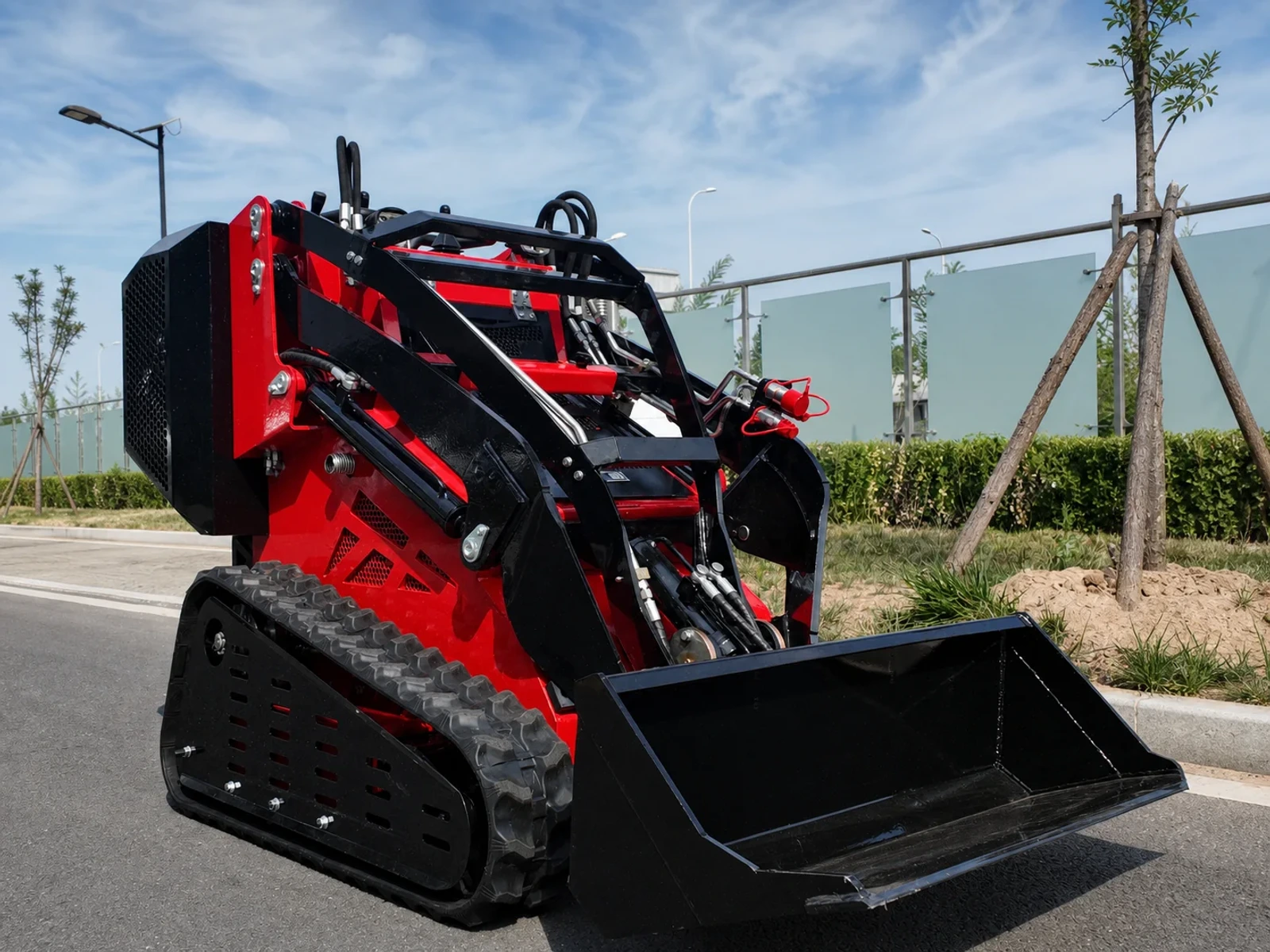 Stand-On Track Skid Steer Loader T470
Tracked stand-on loader with 240 kg rated load, 0.12 m3 bucket, and stronger reach than entry compact models.
View Product →
Stand-On Track Skid Steer Loader T470
Tracked stand-on loader with 240 kg rated load, 0.12 m3 bucket, and stronger reach than entry compact models.
View Product →
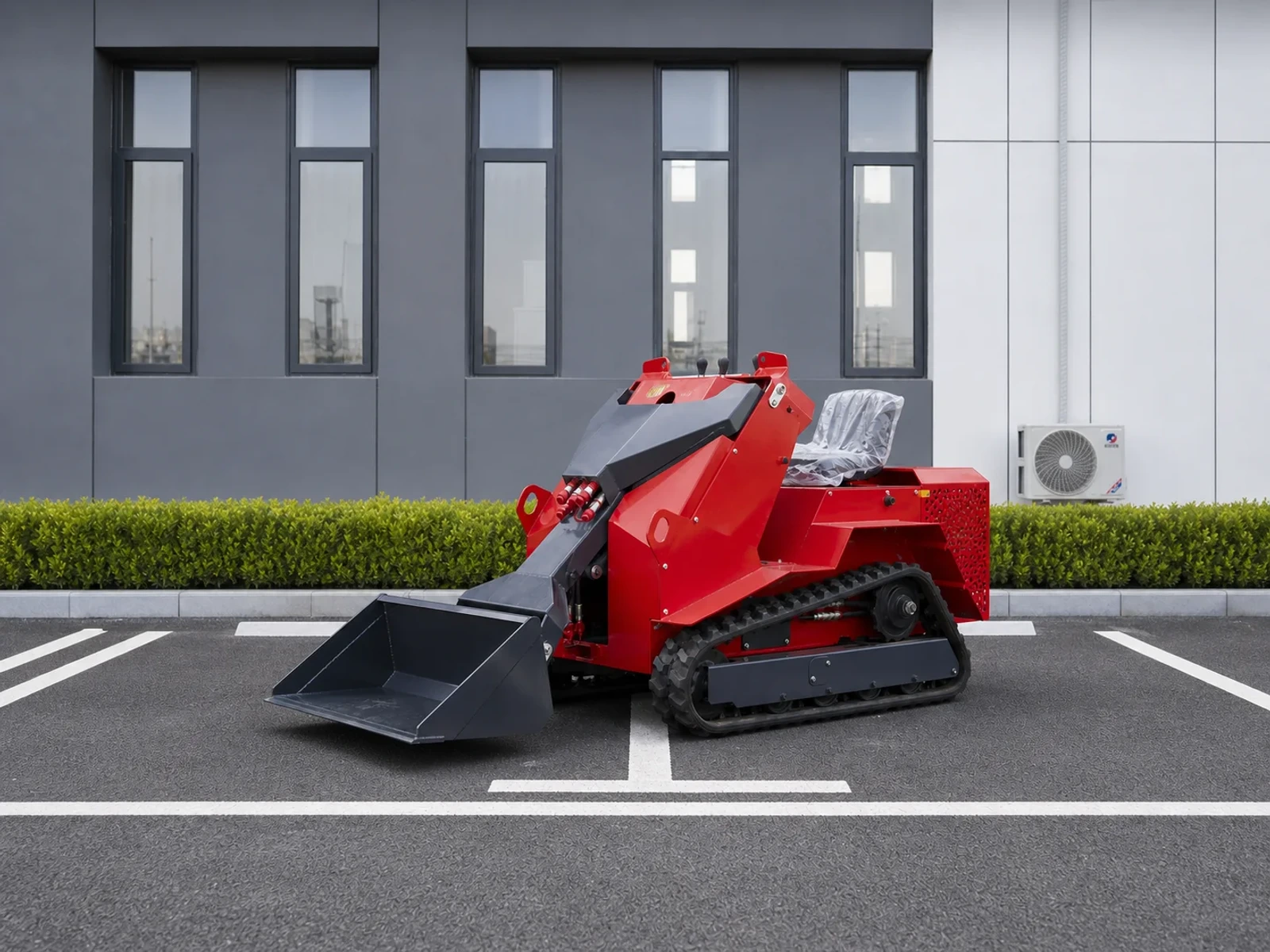 Ride-On Track Skid Steer Loader T490
Ride-on tracked format for repetitive travel, compact-site loading, and attachment work with an integrated operator platform.
View Product →
Ride-On Track Skid Steer Loader T490
Ride-on tracked format for repetitive travel, compact-site loading, and attachment work with an integrated operator platform.
View Product →