Best Dirt Machine for Tight Spaces: Loader, Excavator, or Dumper?
Choose the machine around the soil's next move. A compact loader scoops, grades, and loads; a mini excavator digs and reaches; a mini dumper carries material through the route between them.

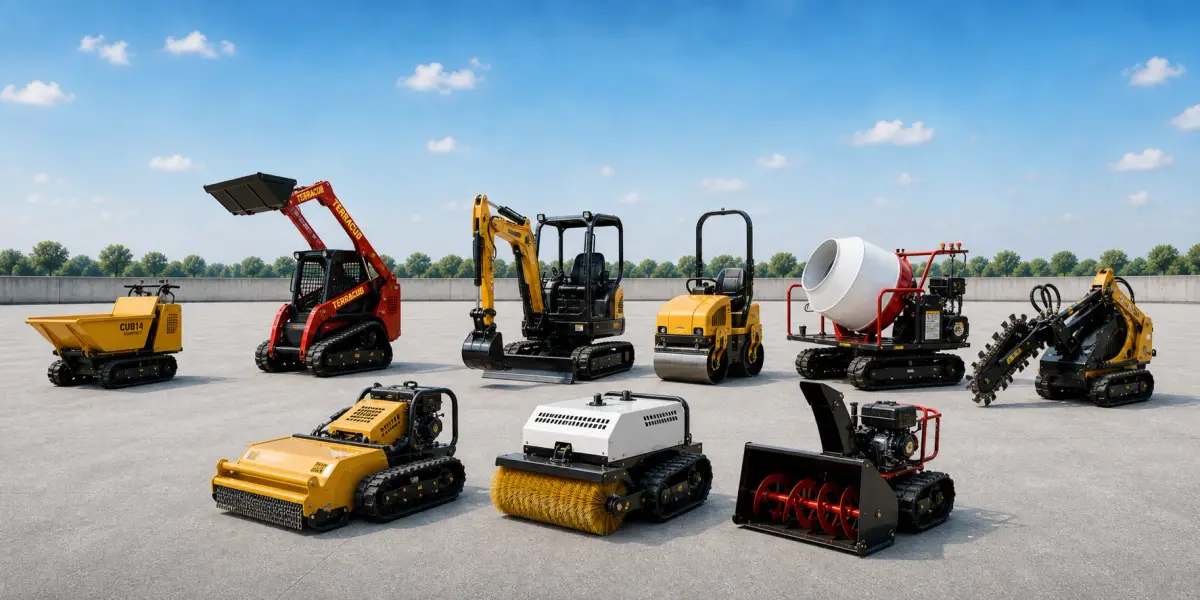
Direct answer: choose a compact loader when the main job is scooping, grading, or loading; choose a mini excavator when it is digging, trenching, or reaching below grade; choose a mini dumper when material must be carried repeatedly through a tight route. If the job includes both excavation and a real haul distance, the practical answer may be two machines rather than one compromised machine.
A dirt machine is any machine chosen to dig, load, carry, or grade soil
Dirt machine is a useful search phrase, but it is not one formal equipment category. It can refer to earthmoving equipment as different as a compact loader, mini excavator, tracked dumper, backhoe, dozer, or wheel loader. The important question is not what the machine is called. It is what must happen to the soil next.
Broad earthmoving guides often list many machine types. For a tight residential, landscaping, utility, or small construction site, that list becomes more useful when reduced to three different functions: dig the material, load or shape it, and carry it. TerraCub's compact equipment range follows those same job families.
Choose the job before the machine
Write the primary task as a verb. This prevents a familiar buying mistake: choosing a versatile-looking machine before defining the cycle it must repeat all day.
Fast filter: if removing material below the machine is the hard part, think excavator. If collecting and placing loose material above ground is the hard part, think loader. If the distance between those points is the hard part, think dumper.
Loader vs excavator vs dumper at a glance
| Machine | Best starting job | Main strength | Watch before choosing | Compare the range |
|---|---|---|---|---|
| Compact loader | Scooping, grading, backfilling, loading | Fast surface cycles and useful attachments | Operating width, turning space, traction, lift path, dump height | Skid steer loaders |
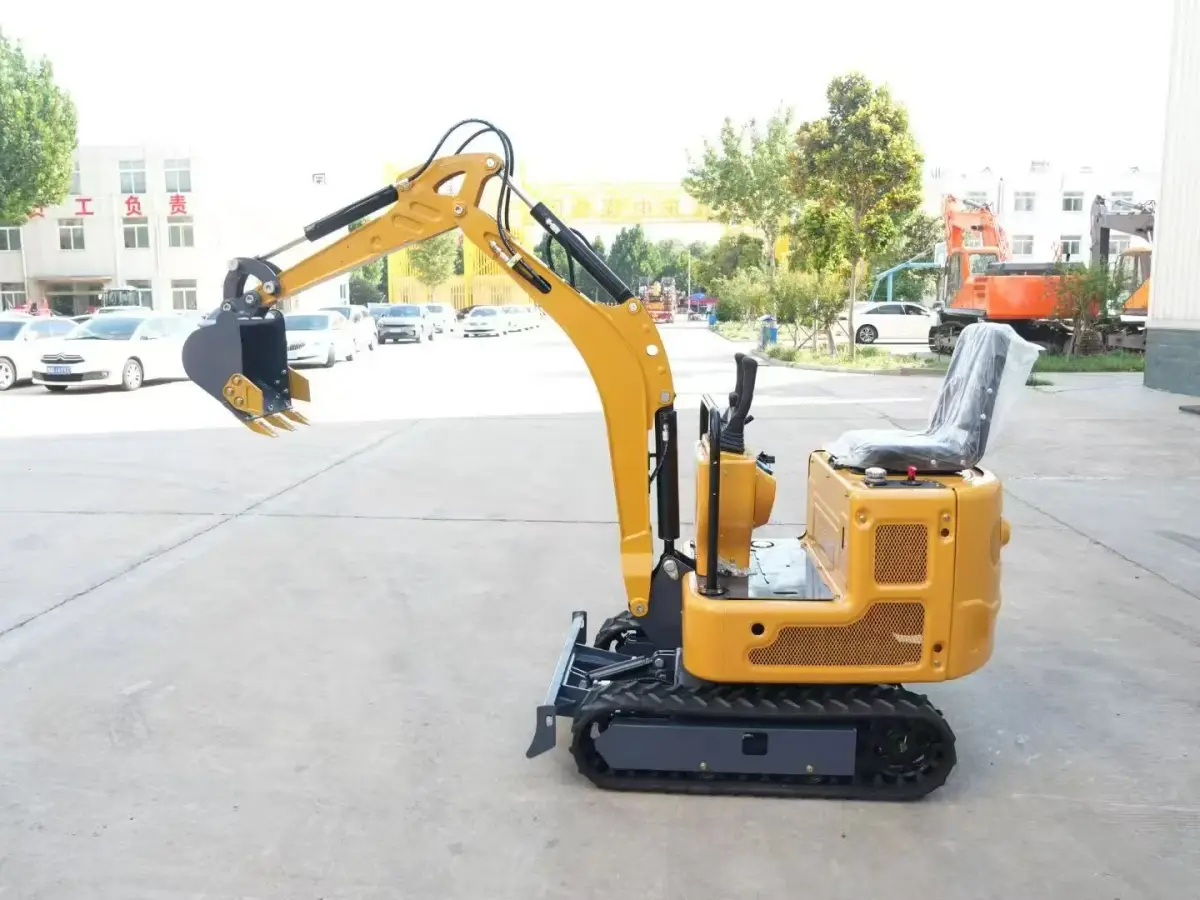
| Mini excavator | Digging, trenching, footing work, precise placement | Below-grade reach and controlled excavation | Tail swing, digging envelope, spoil placement, route width, ground bearing | Mini excavators |
| Mini dumper | Repeated soil transport and controlled unloading | Efficient point-to-point carrying on a defined route | Payload, route, slope, traction, tipping clearance, receiving height | Mini dumpers |
Choose a compact loader for short surface cycles
A compact loader earns its place when soil is already loose or can be broken with the chosen attachment, and the next steps are to scoop, carry a short distance, spread, backfill, or load another machine. Its bucket stays in front of the operator, and a compact turning footprint can make repeated surface cycles efficient.
Do not reduce the loader choice to wheels versus tracks. First record the surface, soft-ground risk, slopes, turning space, doorway or gate, required lift path, and receiving-wall height. Then confirm every attachment's hydraulic and mounting requirements. Bobcat's current loader buying guidance also treats jobsite, hydraulics, lift path, tracks or tires, attachments, support, and budget as separate selection factors.
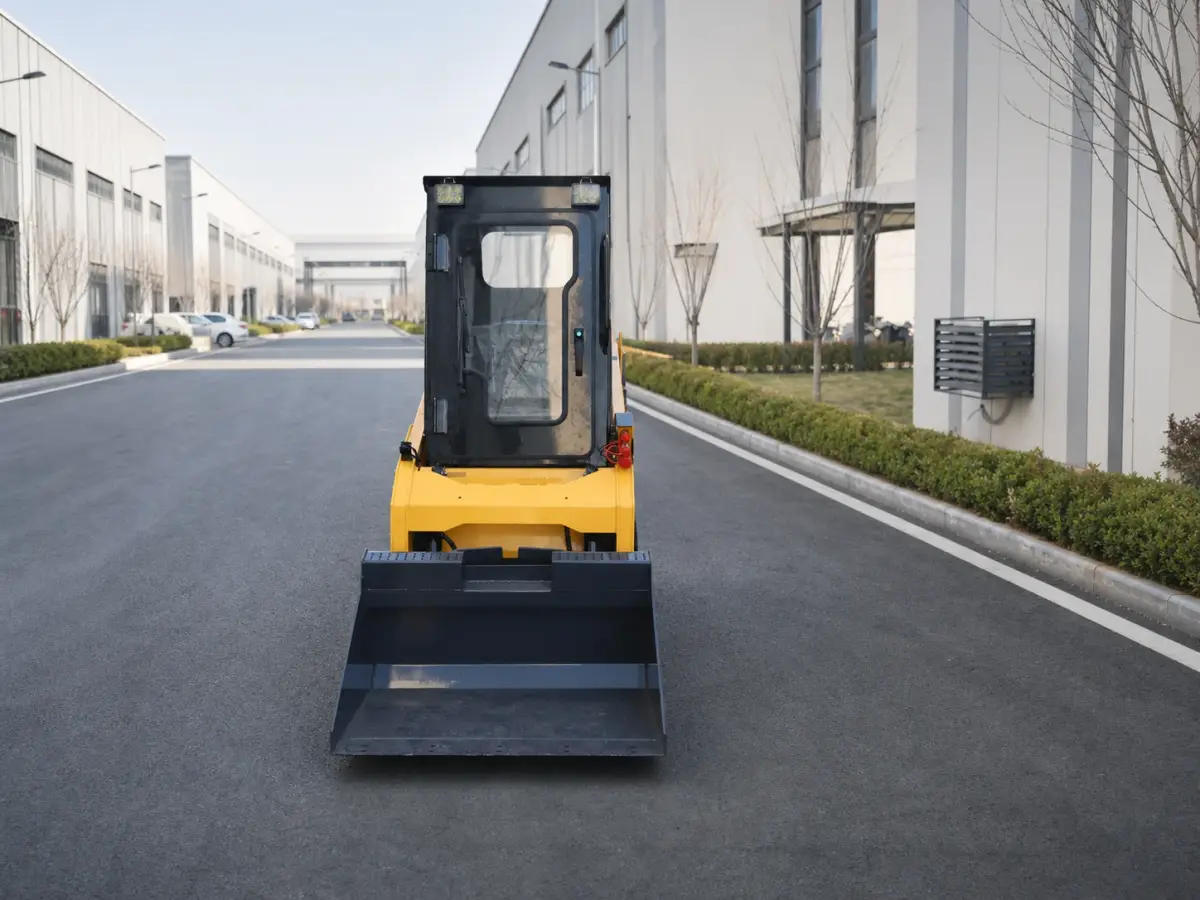
Use TerraCub's mini skid steer selection guide when the loader family is already the likely answer. It covers the machine-level comparison after this broader dirt-machine decision.
Choose a mini excavator for digging and controlled reach
A mini excavator is the natural starting point when the machine must cut a trench, open a footing, remove compacted material, work below its tracks, or place spoil with controlled reach. The boom, arm, and bucket create a digging envelope that a loader bucket does not.
On confined sites, check more than transport width. The machine must pass the gate, rotate without hitting a wall or fence, keep a stable working position, and place spoil where a loader or dumper can collect it. Tail-swing format, boom offset, digging depth, reach, bucket choice, and ground conditions all affect the actual fit.
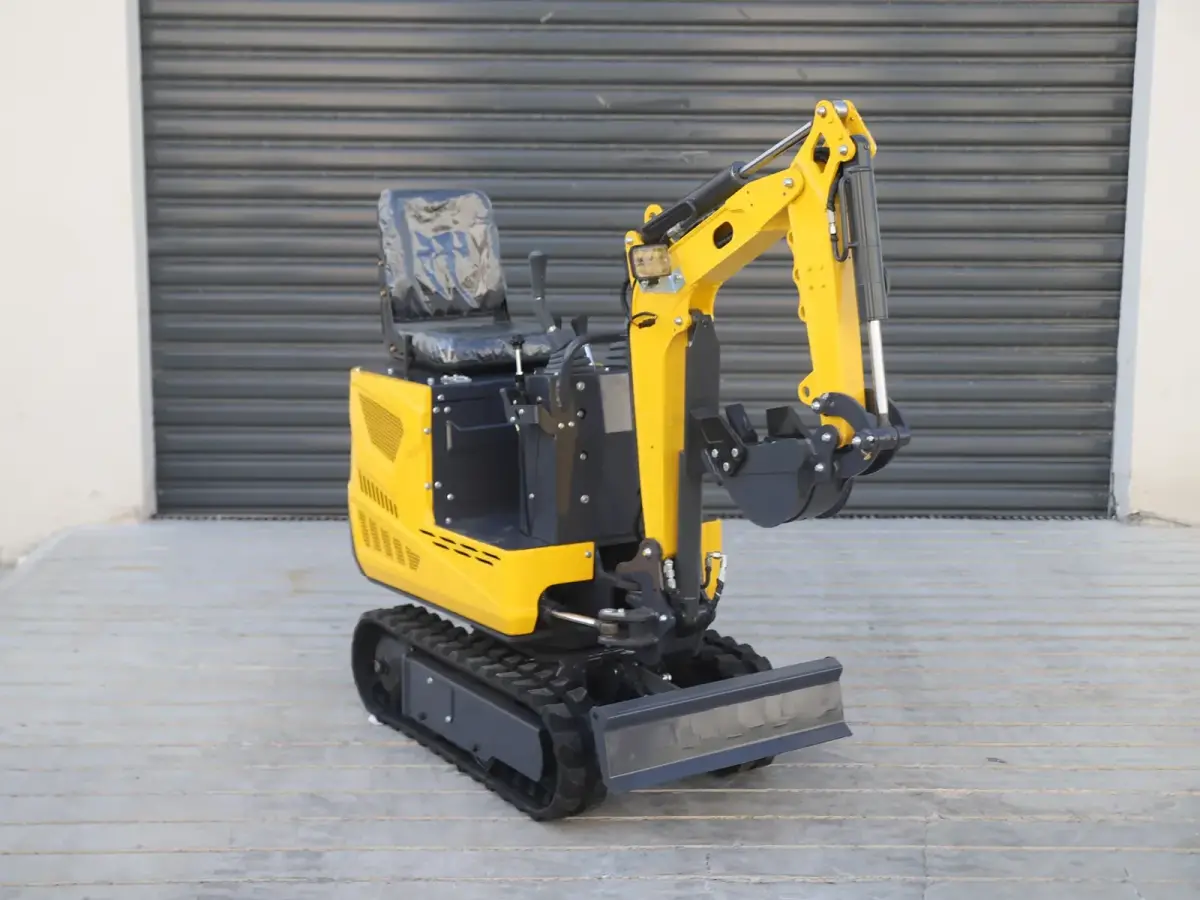
If excavation is the primary job, continue with the best mini excavator selection guide to compare working envelope, access, attachments, service, and ownership checks.
Choose a mini dumper when the haul path controls the job
A mini dumper does not replace the digging tool. It removes the transport bottleneck. Use one when soil, aggregate, demolition debris, or landscaping material must travel repeatedly from the work face to a stockpile, skip, truck, or placement area.
The route is the specification. Measure its narrowest point, surface, slope, turns, overhead clearance, and the unloading interface. Then confirm the loaded machine fits that route and can discharge safely at the destination. Tracked and wheeled designs behave differently on soft ground and hard surfaces, so do not select on payload alone.
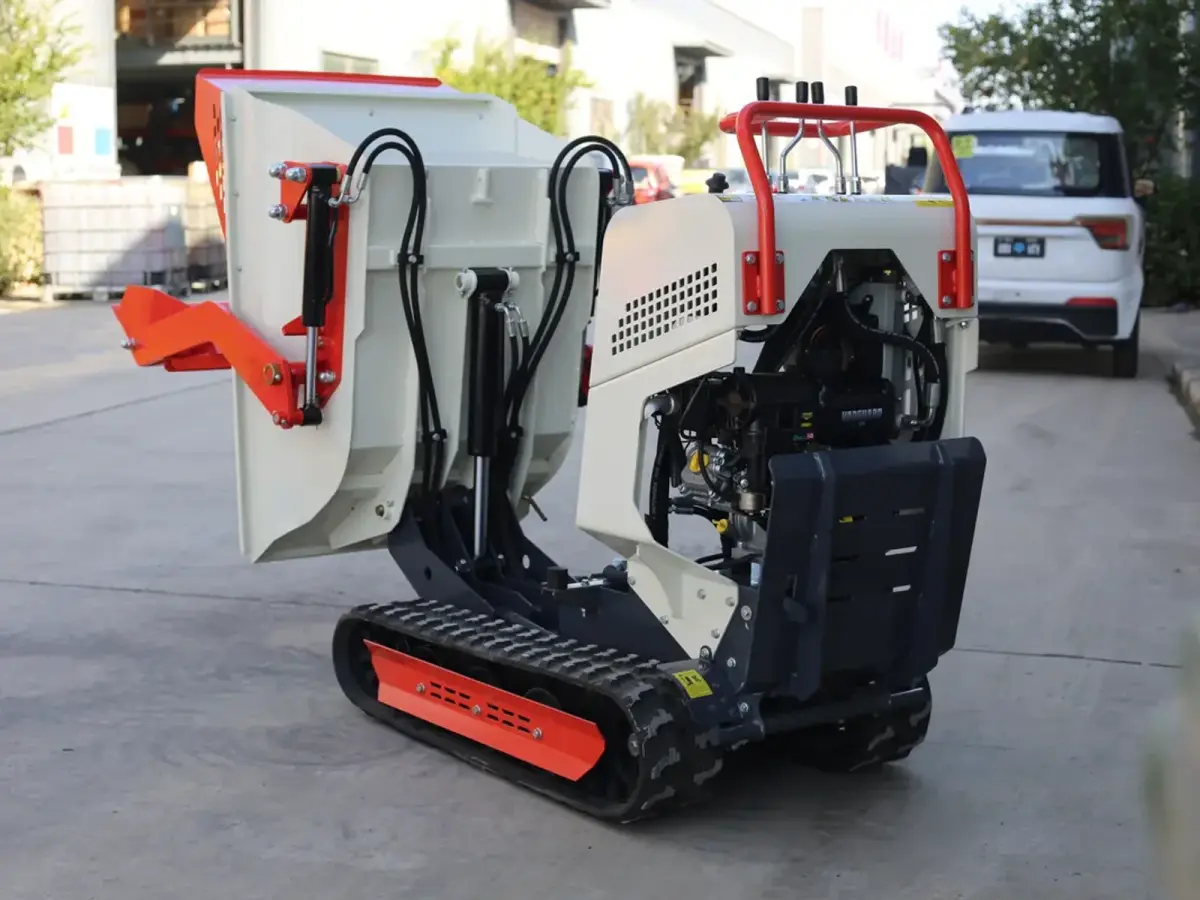
For a deeper breakdown of body types, payload, route fit, and unloading, use TerraCub's mini track dumper guide.
Two machines can create a better dirt-moving workflow
One-machine convenience matters on a small job, but it is not the only productivity rule. A mini excavator may dig well and place spoil beside the trench, yet spend too much time repositioning if the disposal point is far away. A dumper may carry efficiently, yet cannot cut the trench. A loader may move and grade loose soil quickly, yet struggle when the main work is below grade.
Common pairings
- Mini excavator + mini dumper: one machine keeps digging while the other carries spoil through the access route.
- Compact loader + mini dumper: the loader builds full, repeatable loads while the dumper handles the longer travel leg.
- Mini excavator + compact loader: the excavator opens and places material; the loader grades, backfills, or loads trucks nearby.
Map the cycle as dig → collect → carry → discharge → return. Note where the machine waits, reverses, turns, or blocks another operation. That bottleneck—not a generic machine ranking—usually reveals whether a second machine is justified.
Measure six jobsite inputs before choosing
Measure the real route instead of relying on a nominal gate width. Include attachments, track or tire width, protective structures, turning clearance, and load overhang. Also record the position needed to unload. For export procurement, separate operating dimensions from packed dimensions and gross shipping weight.
Plan people, slopes, travel, and maintenance into the choice
Compact does not mean low-risk. The U.S. National Institute for Occupational Safety and Health warns about crushing and rollover hazards around skid-steer loaders. Its guidance emphasizes manufacturer procedures, installed safety features, operator restraint, and controlled lift-arm service. OSHA's earthmoving-equipment rules also address seat belts, access, visibility, brakes, and safe operation where the standard applies.
- Separate people from machine travel and swing areas.
- Confirm slope and edge limits from the correct machine manual.
- Keep loads low while traveling and use the intended operator-restraint system.
- Secure raised arms, bodies, or attachments with the manufacturer's approved support before service.
- Plan reversing, unloading, and truck interaction before the first cycle.
This guide supports equipment selection; it does not replace the manufacturer's manual, trained supervision, a site-specific risk assessment, or applicable rules.
Send a job brief that suppliers can actually compare
- Job: the primary task and complete dirt-moving cycle.
- Material: soil or bulk material type, condition, and estimated volume.
- Access: route dimensions, turns, overhead limits, and working area.
- Ground: surface, slopes, edges, soft areas, and damage constraints.
- Travel: haul distance, return path, and expected cycles or daily volume.
- Interfaces: digging depth, attachment, truck/skip height, dump location, and load receiver.
- Destination: country, delivery point, packing dimensions, and gross-weight limits.
Send the same brief to every supplier. Ask each one to state the selected machine, configuration, attachments, exclusions, and the job assumption behind the recommendation. That makes quotations comparable and exposes missing information early.
Turn your dirt-moving job into a machine shortlist
Send TerraCub the task, access dimensions, material, ground, haul route, digging or loading interface, destination, and packing limits. We can compare the relevant loader, excavator, and dumper families against the same job brief.
Request a compact equipment shortlistFAQs
What is a dirt machine?
Dirt machine is an informal term for equipment used to dig, load, grade, carry, or place soil. The right machine depends on the main task and the site's access, ground, volume, and haul path.
What machine is best for moving dirt through a narrow gate?
Start with the gate and route dimensions, then choose the machine for the job. A compact loader handles short loading and grading cycles, a mini excavator digs precisely, and a mini dumper carries material along a narrow route.
Is a mini excavator or skid steer better for dirt?
A mini excavator is usually the better starting point for digging, trenching, and work below ground level. A skid steer or compact loader is usually the better starting point for scooping, grading, and loading above ground.
When do I need a mini dumper?
Add a mini dumper when soil must travel repeatedly between the digging or loading point and a stockpile, truck, skip, or placement area. It is a carrier, not a substitute for a digging machine.
Can one machine dig and move all the soil?
Sometimes, on a small site with short cycles. As digging depth, soil volume, haul distance, or loading requirements increase, separating excavation from transport often creates a cleaner workflow.
Sources and further reading
- Bobcat: skid-steer loader vs mini excavator comparison
- Bobcat: key factors when choosing a compact loader
- NIOSH: preventing injuries and deaths from skid-steer loaders
- OSHA: material-handling equipment, earthmoving equipment
Related pages
Recommended Products
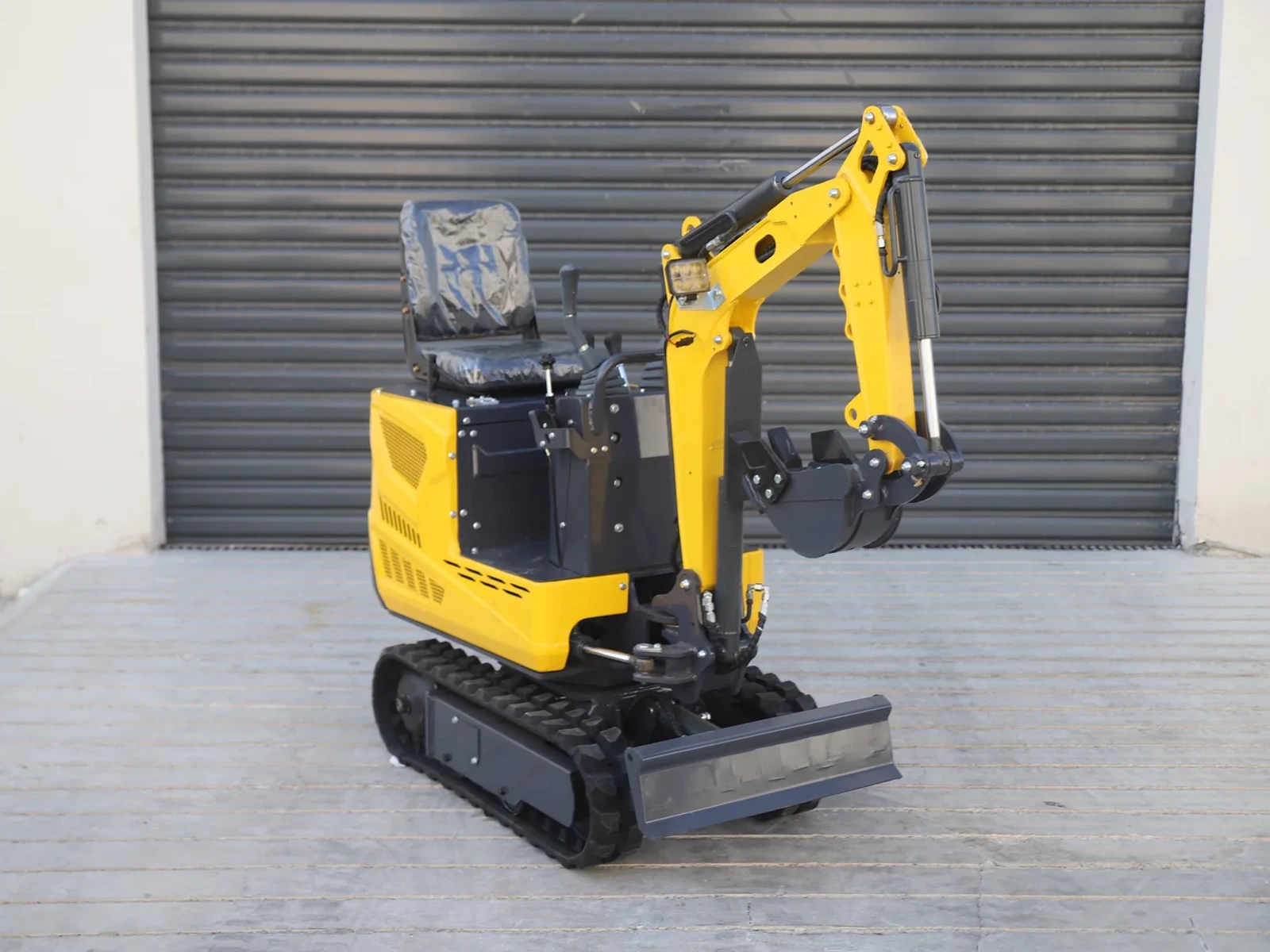 Mini Excavator 06Q
700 mm compact excavator with 1,200 mm digging depth, 360-degree swing, and application-ready attachment options for tight-space work.
View Product →
Mini Excavator 06Q
700 mm compact excavator with 1,200 mm digging depth, 360-degree swing, and application-ready attachment options for tight-space work.
View Product →
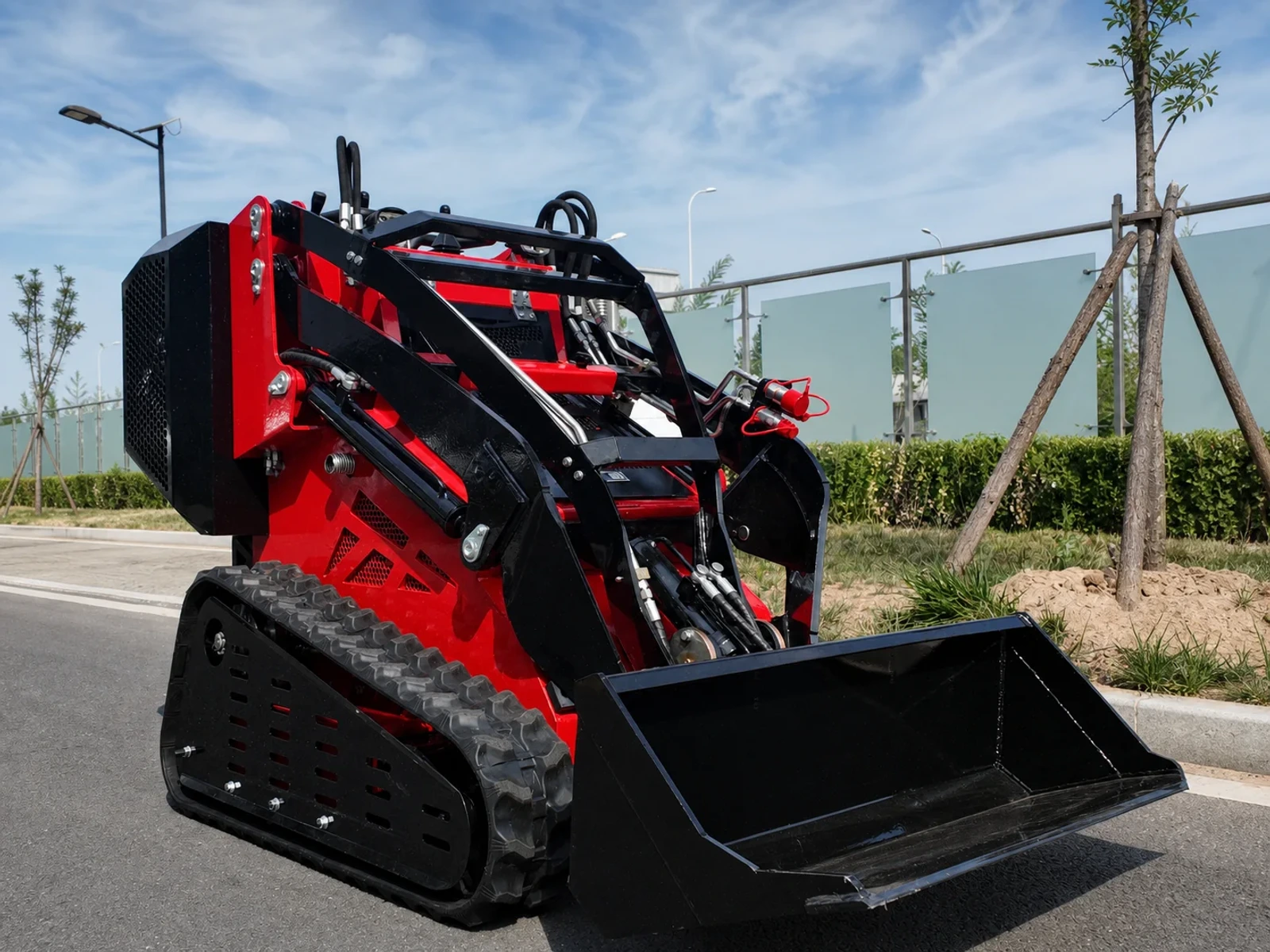 Stand-On Track Skid Steer Loader T470
Tracked stand-on loader with 240 kg rated load, 0.12 m3 bucket, and stronger reach than entry compact models.
View Product →
Stand-On Track Skid Steer Loader T470
Tracked stand-on loader with 240 kg rated load, 0.12 m3 bucket, and stronger reach than entry compact models.
View Product →
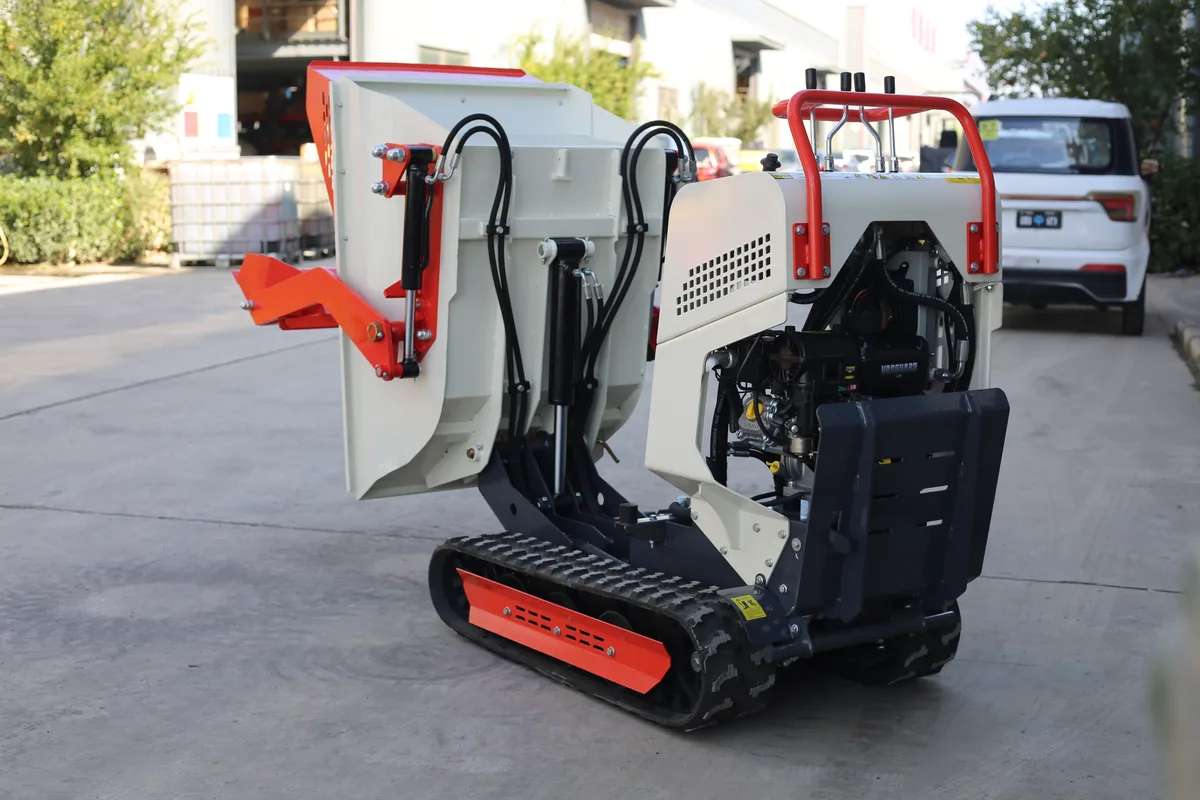 Small Dumper Truck 500kg
Entry-level tracked dumper. Passes through standard residential gates. Ideal for garden work, landscaping, and light construction.
View Product →
Small Dumper Truck 500kg
Entry-level tracked dumper. Passes through standard residential gates. Ideal for garden work, landscaping, and light construction.
View Product →